
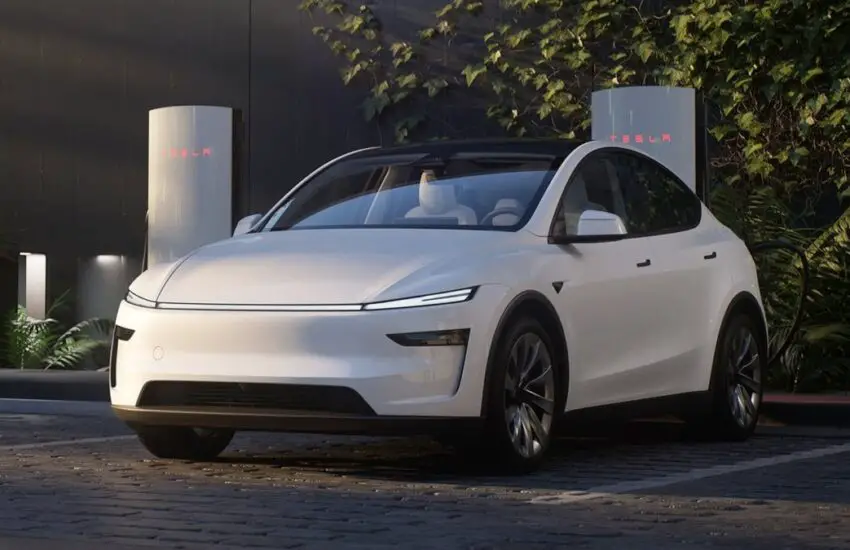
A Significant Downturn for Tesla in the US Market
New sales figures reveal a concerning trend for Tesla in the United States. November deliveries for the electric vehicle (EV) pioneer plummeted to their lowest point in nearly four years. This persistent decline comes despite the company’s implementation of aggressive price cuts and promotional strategies throughout the year, indicating deeper market challenges.
Analyzing the Factors Behind the Sales Slump
Several converging factors are likely contributing to this sustained drop in demand. Increased competition is a primary headwind, as legacy automakers and new EV startups flood the market with compelling electric models, eroding Tesla’s once-dominant market share. Furthermore, consumer appetite appears to be softening in certain segments, particularly for older Tesla models like the Model 3 and Model Y, which have seen minimal updates. Economic uncertainty and higher interest rates may also be causing potential buyers to postpone large purchases.
Strategic Shifts and Future Outlook
This sales report underscores a critical transition phase for Tesla. The company’s growth strategy, which long relied on the volume of its existing lineup, now faces pressure from a more crowded and competitive landscape. Investor and analyst attention is increasingly focused on Tesla’s ability to stimulate demand for its current vehicles while accelerating the launch of next-generation products, such as the anticipated Cybertruck and a more affordable future model. The company’s performance in the coming quarters will be a key test of its market resilience and innovation pipeline.
The November data serves as a clear signal that Tesla’s market dynamics in the US are shifting. Maintaining growth will require navigating heightened competition, evolving consumer preferences, and executing a successful product refresh cycle to reignite buyer interest.