
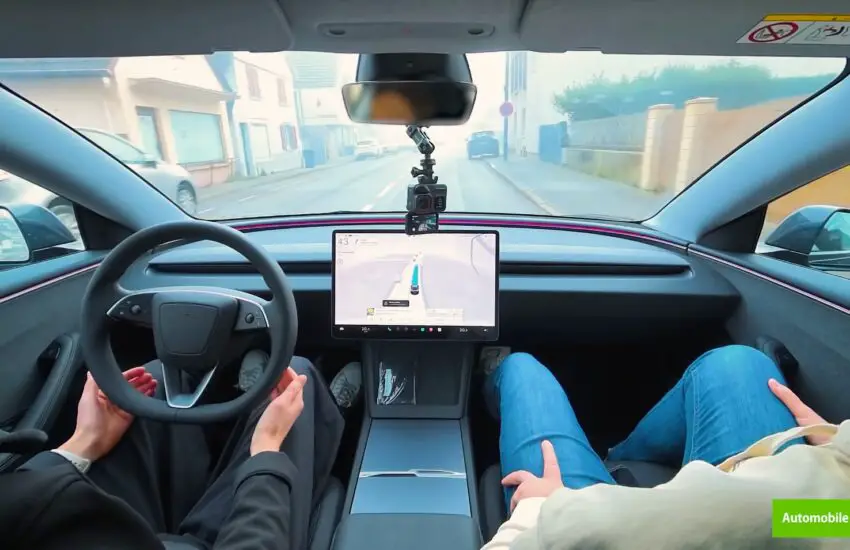
A New Chapter for Tesla’s Autonomous Ambitions
Tesla is initiating a pivotal strategic shift in the deployment and accessibility of its Full Self-Driving (FSD) technology. This move represents more than a simple pricing or subscription adjustment; it signals a fundamental evolution in how Tesla intends to integrate its most advanced driver-assistance system into the broader automotive ecosystem and consumer market.
Redefining Access to Autonomous Technology
The core of this strategic pivot involves altering the fundamental model of FSD access. Historically tied to individual vehicle purchases or monthly subscriptions, Tesla is reportedly exploring new pathways. This could include broader trial availability for existing owners or novel bundling strategies aimed at accelerating real-world data collection and system validation. The objective is clear: achieve wider adoption to refine the neural networks through billions of additional miles of diverse driving data.

Enhanced real-world data collection is a key driver behind Tesla’s new FSD strategy.
The Data-Driven Imperative
This strategic turn is deeply rooted in the technological necessities of autonomous development. Tesla’s approach has always relied on a vast fleet of vehicles gathering edge-case scenarios. By potentially expanding FSD access, Tesla can exponentially increase the quality and quantity of data, which is the essential fuel for training its vision-based AI. This data advantage is a critical component in the race toward achieving robust and generalized autonomous driving.
Implications for the Automotive Industry
This shift has significant ramifications. It places increased competitive pressure on other automakers and tech companies developing similar systems. Furthermore, it tests consumer readiness and regulatory frameworks for more widely available advanced driving aids. Tesla’s move could accelerate public familiarity with and dependence on these systems, potentially reshaping insurance models and long-term vehicle ownership concepts.
Ultimately, Tesla’s strategic redirection on FSD is a calculated effort to overcome the final hurdles in autonomous driving. By prioritizing widespread deployment and data accumulation, Tesla aims to transition FSD from a premium feature to a core, reliable function of its vehicles, solidifying its technological leadership in an increasingly crowded field.