
Why Booking the New Tesla Roadster Was a Very Bad Idea
 |
In 2017, Elon Musk managed to convince people to spend $50,000 to reserve the second-generation Roadster. Eight years later, the model is still not here, and that amount could have yielded significant returns in Tesla stock. |
The Announcement That Won Over Investors
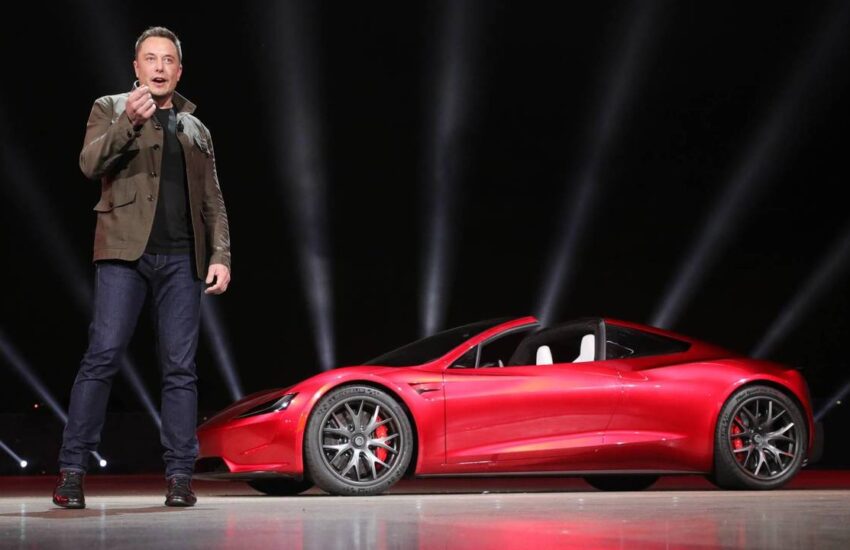
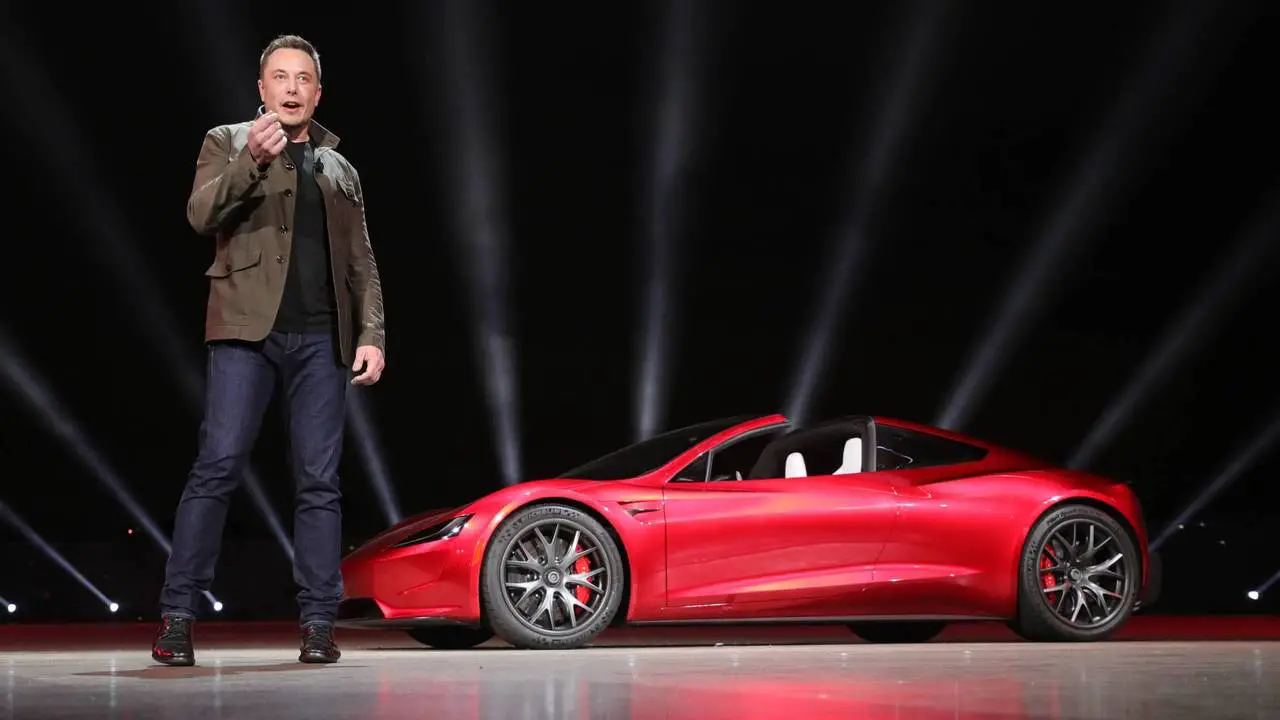
When Tesla unveiled the new Roadster in 2017, enthusiasm was at its peak. Elon Musk presented an electric car with exceptional performance, claiming it could rival the most prestigious supercars. The announced technical specifications hinted at a revolution in the automotive world: lightning-fast acceleration, record-breaking range, and a sleek design.
The Opportunity Cost of an Early Reservation
Early customers had to pay a substantial deposit of $50,000 to secure their spot on the waiting list. This amount represented a significant financial commitment, but more importantly, it tied up capital that could have been invested elsewhere. At the time, few imagined the project would face such delays.
The Overlooked Stock Alternative
If that $50,000 had been invested in Tesla stock in 2017, it would have experienced exponential growth. The stock price multiplied by more than fifteen times between 2017 and 2023, before some corrections. A $50,000 investment could have turned into nearly $800,000 at its peak, representing a massive gain compared to waiting for a vehicle that still hasn’t been delivered.
The Successive Delays of the Roadster
The Roadster’s production schedule has been constantly pushed back. Initially planned for 2020, its commercial launch has been delayed multiple times. Tesla cited various reasons, including the priority given to other models like the Model 3 and Model Y, as well as technical challenges related to the promised exceptional performance.
The Impact of the Global Pandemic
The COVID-19 health crisis also played a role in these delays, disrupting supply chains and affecting production plans. However, some observers believe these delays were predictable, as Tesla has historically struggled to meet deadlines for new models.
Financial Analysis of a Questionable Choice
From a purely financial perspective, reserving the Roadster appears in hindsight as an unwise decision. Not only did customers tie up a significant amount of money for years, but they also missed out on much more profitable investment opportunities.
The Phenomenon of High Deposits
Tesla’s strategy regarding reservation deposits raises questions. By asking for $50,000, the brand not only generated significant cash flow but also created a psychological barrier discouraging cancellations. Thus, reservations represented interest-free financing for the company.
Uncertain Future Prospects
Today, the Roadster’s commercial launch horizon remains unclear. Tesla now mentions a potential release for 2025, but without firm guarantees. Meanwhile, competition in the high-end electric car segment has intensified, with the arrival of rival models offering similar technologies.
Lessons to Learn from This Experience
The Roadster story offers several valuable lessons for consumers and investors. It reminds us of the importance of diversifying investments and considering the opportunity cost of every financial decision. It also highlights the risks associated with products announced long in advance in a rapidly evolving technological sector.
The Tesla Roadster case will likely remain in the annals as a striking example of the financial trade-offs that early reservations of high-tech products can represent, especially when they involve substantial sums and uncertain timelines.