
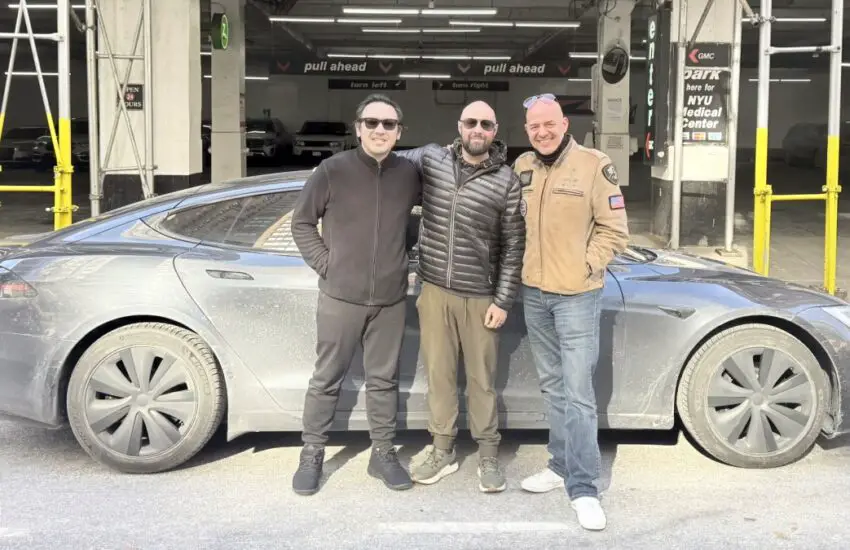
A Decade-Long Promise Finally Fulfilled
Nearly ten years after Elon Musk first promised a fully autonomous demonstration drive from Los Angeles to New York, a Tesla vehicle has finally achieved the feat. The long-awaited milestone, originally slated for the end of 2017, represents a significant leap for the company’s self-driving technology after years of development and public anticipation.
The Technical Triumph Behind the Journey
This successful cross-country trip was completed using Tesla’s latest Full Self-Driving (FSD) software. The system navigated the entire route without human intervention, handling complex scenarios like urban traffic, highway merges, construction zones, and varied weather conditions. The vehicle’s suite of cameras and sensors processed real-time data to make driving decisions, showcasing a level of reliability and adaptability not previously demonstrated on such a long and diverse route.
What This Means for the Future of Autonomy
This accomplishment is more than a corporate milestone; it is a tangible indicator of progress in the autonomous vehicle industry. Successfully managing nearly 3,000 miles of unpredictable American roads suggests the underlying artificial intelligence and neural networks have reached a new stage of maturity. While regulatory approval and widespread public adoption remain separate challenges, this proof-of-concept journey validates years of software development and real-world data training.
The completion of this drive shifts the conversation from theoretical capability to demonstrated performance. It provides concrete evidence that point-to-point autonomous travel on public roads is achievable with current technology. This event is likely to influence both consumer perception and the ongoing regulatory discussions surrounding the safe deployment of self-driving vehicles.