
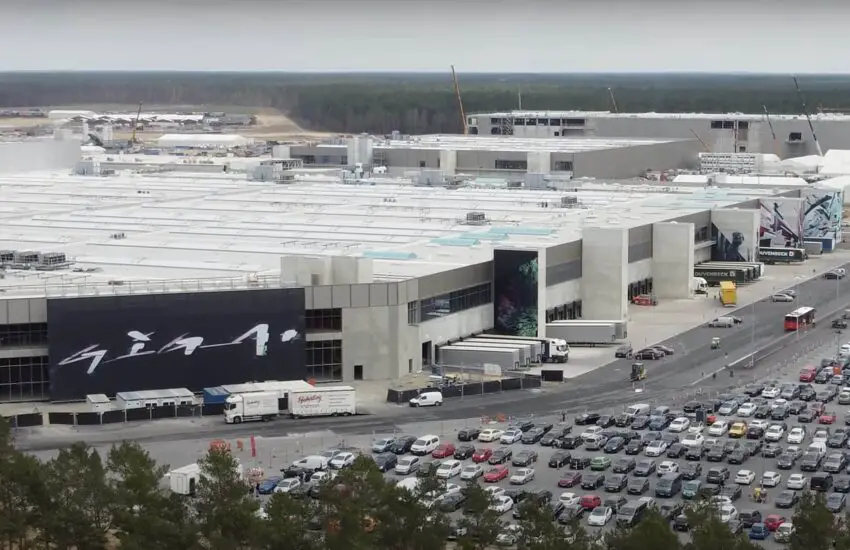
Why Police Entered the Tesla Berlin Gigafactory
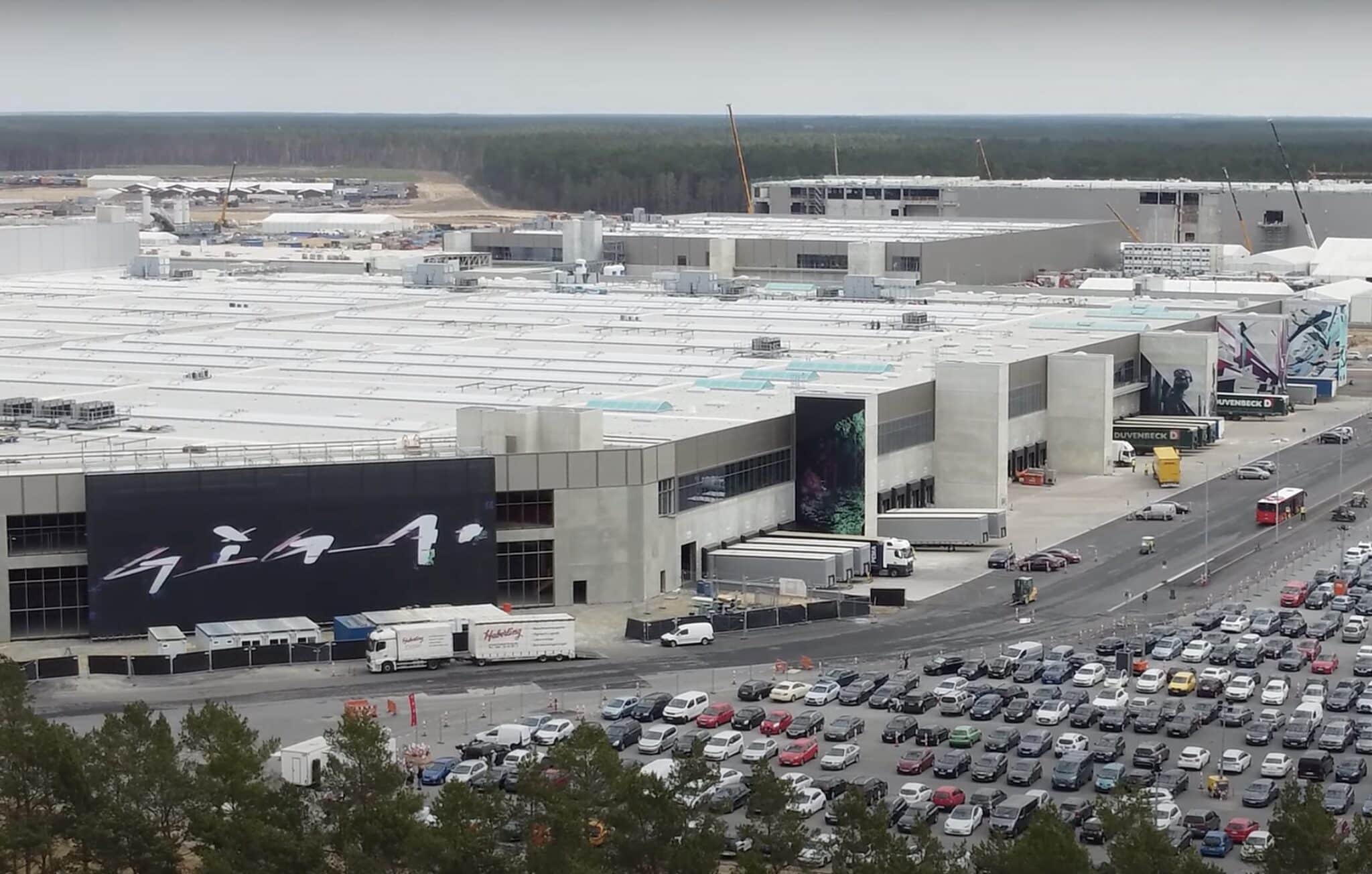
The deployment of police inside Tesla’s Berlin-Brandenburg Gigafactory marked a significant escalation in an ongoing labor conflict. This unprecedented intervention was not due to public disorder but was a court-ordered measure to execute a search warrant. The core issue stemmed from allegations that Tesla was obstructing legally protected union activities on its factory floor.
The Root of the Conflict: Union Access and Allegations
German law grants unions specific rights to inform and organize workers within workplaces. The IG Metall union, one of Germany’s largest, accused Tesla of systematically preventing its representatives from speaking with employees during breaks and in designated common areas. Following legal complaints, a local court authorized a search to secure evidence, such as internal communications or site access logs, to determine if Tesla was violating these labor laws. The police presence was to ensure the court order was carried out effectively.
Implications for Tesla and Corporate Culture
This incident has far-reaching consequences. It places Tesla’s operational culture under intense scrutiny within the strict framework of German labor relations, which strongly favor collective bargaining. The confrontation highlights a potential clash between Tesla’s top-down management style and the established norms of German industrial democracy. For the workforce, the raid legitimized union concerns and may accelerate organizing efforts. For Tesla, beyond potential legal penalties, the event risks damaging its reputation as a forward-thinking employer in a critical European market, potentially affecting talent acquisition and local regulatory cooperation.
A Broader Signal for the Auto Industry
The Berlin police intervention transcends a single corporate dispute. It serves as a stark reminder of the potent role unions play in Germany’s industrial landscape. As the automotive sector undergoes a turbulent transition to electric vehicles, stable labor relations are crucial. This event signals that companies, even disruptive newcomers, must fully engage with and respect local labor institutions to ensure long-term operational stability and social license to operate.