
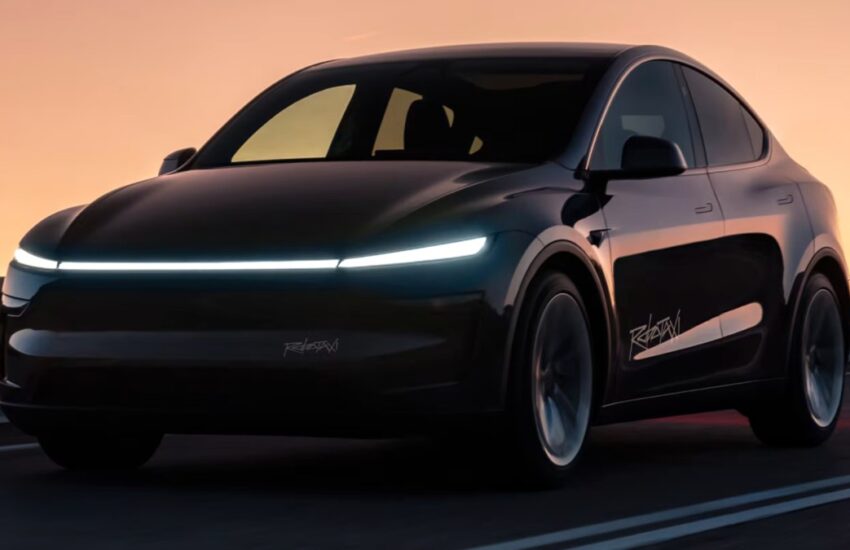
Tesla Robotaxis Enter a Critical New Phase
Elon Musk’s vision for a fully autonomous future has taken a tangible step forward. Tesla has officially initiated a pivotal new stage of testing for its Robotaxi program, deploying vehicles on public roads without a safety driver behind the wheel. This move marks a significant leap from supervised autonomy to truly driverless operation, bringing the concept of a Tesla ride-hailing network closer to reality.
From Theory to Public Road Reality
The transition was confirmed after a Tesla vehicle, identifiable as a prototype Robotaxi, was observed navigating the streets of Austin, Texas, with no human occupants. This sighting provides concrete evidence that Tesla’s Full Self-Driving (FSD) software is being evaluated under its most challenging conditions yet. Operating without a human safety net requires an exceptional level of confidence in the system’s ability to handle complex urban environments, unpredictable traffic, and unforeseen obstacles autonomously.

Implications for the Autonomous Vehicle Race
This development places Tesla in direct competition with other industry players like Waymo and Cruise, who have also conducted driverless testing. However, Tesla’s approach is distinct, aiming to deploy autonomy at scale using its existing fleet of consumer vehicles equipped with FSD hardware. The success of these tests is crucial for validating the company’s camera-centric “vision-only” strategy, which forgoes lidar sensors used by many competitors.
The path forward involves rigorous data collection from these unsupervised drives. Every interaction and decision made by the AI driver will be analyzed to refine the neural networks. The ultimate goal is to achieve a level of reliability and safety that meets regulatory approval for commercial deployment. While a widespread Robotaxi service is not imminent, these first driverless runs represent the foundational steps toward transforming personal transportation and mobility services.