
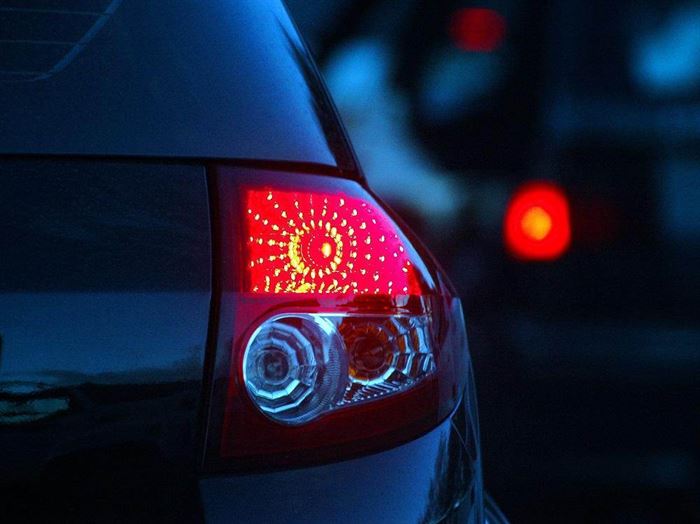
Understanding the differences between tail light vs brake light is important to grasp their functions and roles in automotive safety. When it comes to automotive lighting, some people use the terms ‘brake light’ and ‘tail light’ interchangeably.
Are tail lights and brake lights the same bulb? Well, no. Exchanging the terms is a mistake. They are separate lights and serve different functions.
Both of these lights are located at the rear of a vehicle. To understand their differences, it’s important to know how they work.
Tail Light vs Brake Light: The Differences
You might sometimes notice that your car’s tail lights are working, but the brake lights are not, and vice versa.
This wouldn’t happen if they were the same lights. Here are their definitions and functions so you understand how different they are.
Brake Lights
The braking system activates the brake lights. They illuminate whenever you apply the brakes.
A pair of functional brake lights is essential for driving and road safety. They give drivers behind you a signal about an imminent speed change.
Imagine driving behind a vehicle that has faulty brake lights. You would have no idea when they are going to change speed. Such misunderstandings can lead to road accidents.
There are several reasons why brake lights may not work or give delayed responses. Dim bulbs, dirty lenses, and faulty wiring are a few of them. Performing routine maintenance is a great way to avoid these issues.
Like any other car component, brake lights and their associated accessories require occasional repair and replacement.
Regular inspections will help you detect a problem in time. Your timely action can save you from a major accident on the road.
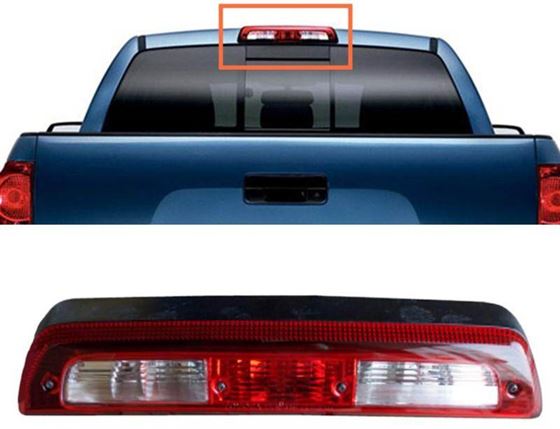
There is another brake light known as the center high-mount stop light.
You might wonder what this light does in a discussion about tail light vs brake light. You are not alone. Many drivers are unaware of the function of this third brake light.
Located between the right and left brake lights but at a higher point, this light is a built-in safety feature in case the brake lights are not visible for any reason.
It warns following drivers of the imminent braking action. Its location is higher than the other two brake lights, so other drivers won’t have any problem seeing it.
Tail Lights

The headlights activate the tail lights. When you turn on the headlights only at night or in dark conditions, the red tail lights also remain inactive during the day.
Their brightness is lower than brake lights because they are designed to be on in foggy, misty, and dark conditions. The function of tail lights is to announce the presence of your vehicle to other drivers when visibility is impaired.
Like brake lights, they malfunction due to cracked lenses, broken wiring, faulty bulb filaments, and a few other reasons. Regular checking will help resolve the issue early on. These bulbs are inexpensive, and repairing them is a quick job.
Tail Light vs Brake Light FAQ
- Why do tail lights and brake lights have different brightness levels?
The difference in brightness between tail lights and brake lights is a safety feature. Brake lights need to be much brighter to quickly catch the attention of other drivers when a vehicle is slowing down or stopping.
Tail lights, on the other hand, are designed to provide consistent but less intense lighting to indicate the vehicle’s presence and size when the headlights are on.
- Do tail lights and brake lights typically use separate bulbs or are they part of the same assembly?
In many vehicles, tail lights and brake lights are part of the same assembly but use different bulbs.
There are usually separate bulbs for tail lights, brake lights, and turn signals within the same housing. This design allows each function to be clearly distinguished by other drivers.
- Can a faulty tail light or brake light affect vehicle safety?
A faulty tail light or brake light can impact vehicle safety. A burnt-out brake light can prevent other drivers from realizing you are slowing down or stopping, increasing the risk of a rear-end collision.
Similarly, a non-functioning tail light can reduce your vehicle’s visibility, especially in low-light conditions or bad weather, potentially leading to accidents.
- Are tail lights and brake lights required by law?
Tail lights and brake lights are mandatory safety features on all motor vehicles in most regions. They are regulated by traffic laws to ensure that vehicles are visible to others on the road and can signal their intention to slow down or stop effectively.
- Can LED lights be used for both tail lights and brake lights?
LED (Light Emitting Diode) lights are commonly used for tail lights and brake lights in modern vehicles. LED lights offer several advantages, including energy efficiency, fast response time, and long lifespan, making them a popular choice for automotive lighting.
- Are there additional lights on a vehicle that perform functions similar to tail lights and brake lights?
In addition to tail lights and brake lights, some vehicles may have rear fog lights. Rear fog lights are typically brighter than tail lights but dimmer than brake lights.
They are used in adverse weather conditions, such as thick fog, to enhance the vehicle’s visibility from behind.
- Can tail lights or brake lights be legally installed aftermarket on a vehicle?
Tail lights or brake lights can be legally installed aftermarket on a vehicle, but they must comply with specific safety regulations and standards set by local traffic laws.
It is essential to ensure that any aftermarket lighting modifications adhere to these regulations to avoid legal issues and maintain safety on the road.
Final Words
Tail light vs brake light have distinct roles in a vehicle’s lighting system. Tail lights provide constant, dim lighting to enhance visibility at night.
In contrast, brake lights shine brightly and flash when the brakes are applied, indicating the intention to slow down or stop. Both lights are essential for road safety, helping to prevent rear-end collisions and maintain visibility.