
A vehicle requires proper fuel delivery to its engine to function correctly.
There are at least 4 components that make up a vehicle’s fuel system, including the fuel pump, fuel pressure sensor, fuel rail, and the ECU that monitors everything.
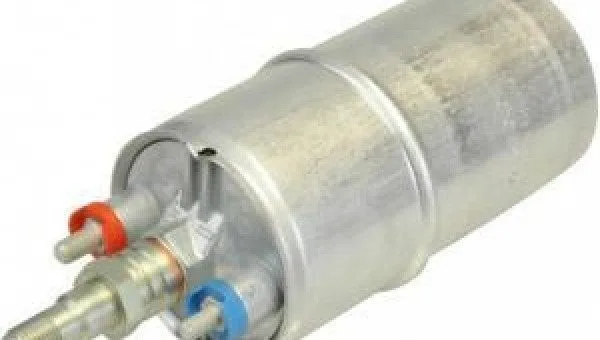
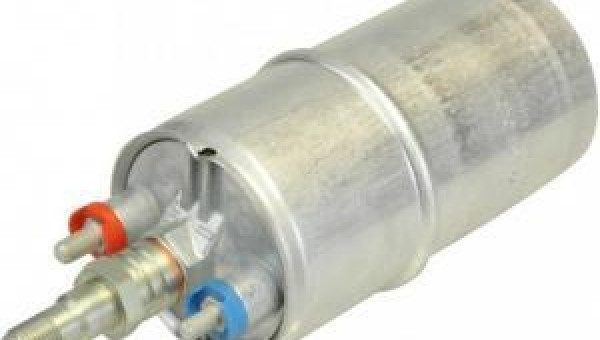
The fuel pump receives fuel from the fuel tank and sends it into the fuel rail, which transfers the liquid into the cylinders using information from the fuel pressure sensors.
Naturally, if the pressure does not meet the manufacturer’s recommendations, you will experience little to no response from the car’s engine.
In this article, we will discuss the various symptoms that arise from low fuel pressure or a failing fuel pump.
Signs of Low Fuel Pressure
First, you will see a table of possible causes, solutions, and symptoms of low fuel pressure. If you want more detailed information, scroll further down in the article to get the information you need.
1. Unresponsive Accelerator
All cars require proper fuel delivery to their cylinders to function correctly. If you feel delays in your car’s acceleration, there is certainly a problem with your fuel system. A clogged fuel pump may be the main cause in such a case.
2. Difficulty Starting the Car
Low fuel pressure will also make it difficult to start your car’s engine. You might notice that it takes longer to start your car or requires more than one attempt for a successful ignition. Additionally, you might experience backfiring from your engine.
3. Engine Stalling
If your car’s engine stalls during operation, it clearly indicates that you are experiencing issues with your fuel pump. This happens because the engine does not receive the correct amount of fuel to sustain combustion.
4. Engine Tuning
Although engine tuning is not immediately affected, in the long term, you will notice a change in your engine’s tuning. Such an effect should indicate that there are irregularities in your fuel pump or fuel injection.
5. Check Engine Light Comes On
Today’s electronic cars have a fuel pressure sensor that intelligently calculates if something is wrong. If so, the sensor triggers the check engine light, prompting you to have your fuel system checked. Typically, with such an issue, you will get a P0190 code accompanying your problem. If the check engine light comes on, you should read the fault codes with a diagnostic scanner to determine the issue.
6. Black Smoke from Exhaust
Gasoline cars are generally not a huge threat to the environment because they do not emit harmful chemicals from their exhaust. However, if your car starts emitting thick black smoke from the exhaust after starting, there is certainly a problem with the pressure in your fuel system. But in this case, it will be due to high fuel pressure.
7. Turbo Lag
Many people may not have turbos in their cars, but those who do have another way to know if there is a problem with their fuel pressure. The turbo system uses air and heats it to create a turbine-like effect on the engine, allowing it to produce more power. However, if you feel that your turbo takes too long to spool up, there may be an issue with your fuel pump and pressure.
8. Spark Plugs / Misfires
A low-pressure fuel system will damage the spark plugs that ignite the fuel in the engine’s cylinder. If you happen to replace them and find that they are worn out prematurely, you might be dealing with a problem in your fuel system.
Fortunately, the fuel system in a car only requires minor adjustments. Sometimes the problem is very minor, and sometimes it can be significant.
How to Fix a Low Fuel Pressure Problem
There are many different causes of low fuel pressure, but here you will find the most common solutions to correct your low fuel pressure.
Change the Filter
The first thing you can do is check the screen filter. The screen filter protects the fuel pump from dust and debris and can clog up quite quickly. This can hinder the flow of fuel to the fuel pump and into the cylinders. So, it’s best to clean the screen filter and replace it with a new one if necessary. This minor adjustment will change the overall feel of your ride.
Check the Voltage
The fuel pump is capable of creating pressure using electricity, but if it does not receive adequate voltage, it will not function properly. Therefore, fuel will not be released at the perfect pressure, and your car will lose efficiency. Although voltage fluctuations in a car are rare, they are not unheard of. This issue can be resolved by checking the battery and the wires transferring electricity. You can check the voltage with a multimeter (link to Amazon).
Replace the Fuel Pressure Regulator
The regulator controls the amount of fuel that leaves the fuel pump. If this small component fails, the fuel rail will not receive the correct amount of fuel, and thus the engine cannot operate at full capacity.
Change the Fuel Filter
Gasoline or diesel comes from the ground, and no matter how much they are purified, some contaminants can pass through and reach your car’s fuel tank. This is why mechanics use a simple solution: a fuel filter. A fuel filter cleans the fuel of any remaining pollutants and makes it pure enough for the engine. Fuel filters are usually very cheap and easy to replace, so you don’t need a mechanic to replace one for you.
Fill the Tank
Sometimes fuel pressure cannot be maintained because the fuel received from the tank is insufficient. Therefore, if you first experience any of the above symptoms, check if you have enough fuel in your tank before proceeding to diagnose the problem.