
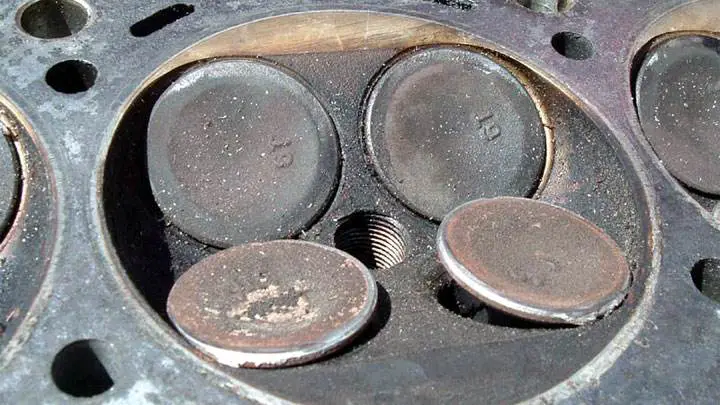
A concerning click or rattle under the hood could signal bent engine valves, an internal issue that requires repair. While not extremely common, bent intake or exhaust valves still occur.
Early identification of symptoms from slightly damaged valves allows for assessing the best solution, whether replacement or repair is needed. Continue reading to discover the common signs of bent valves and how much it will cost to repair them.

Symptoms of a Bent Valve
The presence of one or more bent valves in an engine is usually accompanied by a number of secondary symptoms. Recognizing these symptoms often proves beneficial when attempting to diagnose the problem in question.
Here are some of the most common symptoms associated with a bent valve.
#1 – Misfires
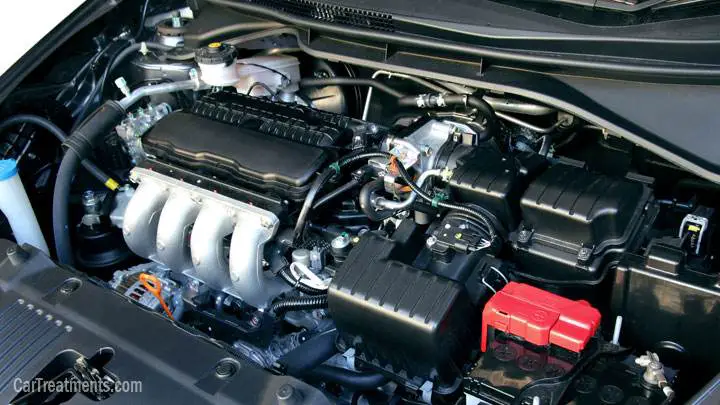
A bent valve often leads to engine misfires, largely due to the fact that a particular cylinder is unable to intake or exhaust as designed. When attempting to diagnose this issue, the observed misfires will be confined to the affected cylinder.
#2 – Backfire
Backfiring is another common symptom attributed to valve damage. This condition most often presents itself when the exhaust valve of a particular cylinder is unable to seat as intended.
#3 – Power Loss

You might also notice that your vehicle seems to lack power if its engine has one or more bent valves.
This is because the affected cylinder will typically exhibit some degree of compression loss, thereby hindering the combustion process as a whole.
#4 – Abnormal Noises
If a valve is bent enough to remain in an open position, some noise or metallic rattling can often be heard. This is the result of continuous piston/valve contact.
Vehicle use should be stopped immediately if such noises become evident.
#5 – Oil Consumption
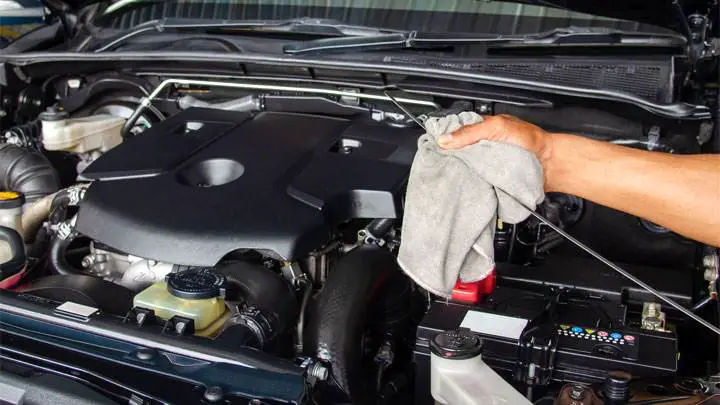
Excessive oil consumption can also signify valve damage, due to associated valve seat/guide issues.
In many cases, this excessive oil consumption will be accompanied by the appearance of thick, blue-colored exhaust smoke, which often carries a noticeable burnt smell.
What Are Engine Valves?
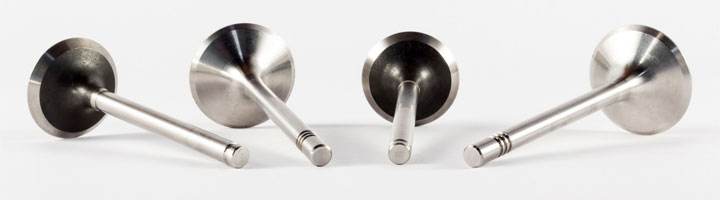
The modern four-stroke internal combustion engine features intake and exhaust valves in each particular combustion chamber. These valves allow fresh intake air to be introduced into each respective cylinder before combustion, while also allowing spent combustion gases to be expelled into an engine’s exhaust tract.
In their static position, an engine’s valves are held in the closed position by special springs mounted on the valves (valve springs). These valves are then forced open via mechanical force imparted by the rotation of an engine’s camshaft, either directly in the case of OHC engines, or indirectly in OHV engines.
In either case, valve actuation is a direct product of cam timing, which itself is a product of overall engine timing. An engine’s crankshaft and camshaft are synchronized with one another via a timing chain or timing belt, thereby ensuring that valve actuation is properly timed relative to a piston’s stroke.
What Causes an Engine Valve to Bend?
#1 – Timing Belt/Chain Failure
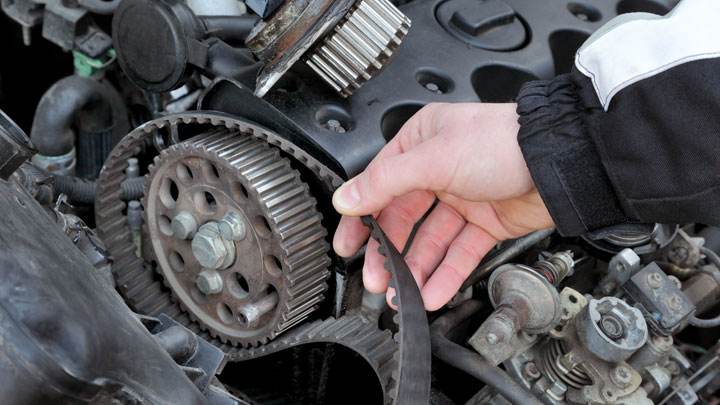
The most common cause of a bent valve is the failure of a timing chain or timing belt. This, of course, relies on the fact that the engine in question is of an interference design, which describes any engine in which incorrect timing can lead to piston/valve contact.
In contrast, non-interference engines are not prone to this type of damage.
#2 – Engine Over-Revving
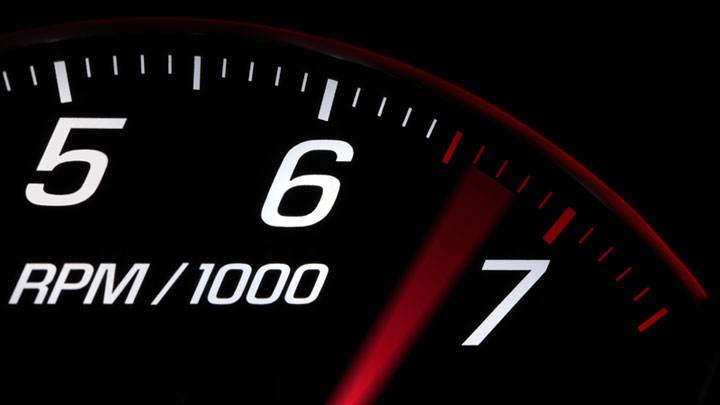
Over-revving an engine is another potential cause of valve damage. When an engine is over-revved, even for a brief period, a condition known as “valve float” can occur.
The term valve float describes a situation where an engine’s valves fail to complete a full cycle (opening/closing) as they should, potentially leading to valve/piston contact.
#3 – Insufficient Lubrication
In extreme cases, a lack of sufficient lubrication can cause an engine’s valves to stick in their guides, ultimately creating a scenario where valve/piston contact is possible. This can also occur when an engine’s oil breaks down due to repeated neglect of specified maintenance.
#4 – Overheated Engine
Valve damage can also occur in the event of severe or prolonged engine overheating. This overheating can lead to the warping of an engine’s internal components, including intake and exhaust valves.
How to Confirm Valves Are Bent
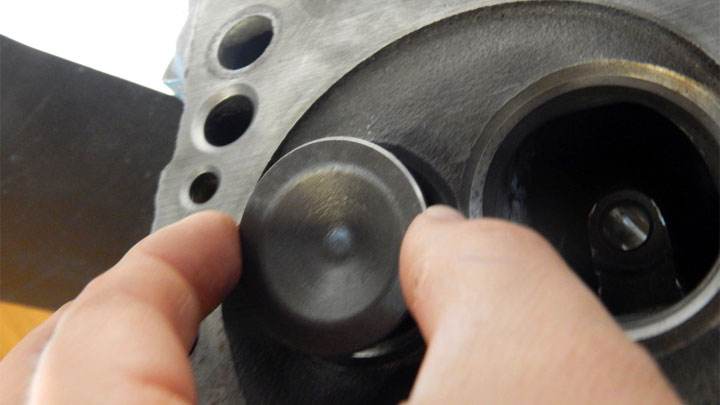
Valve damage can be confirmed in several ways, including through careful physical examination. An engine’s valve cover can be removed before starting the engine in question and checking for proper valve operation.
Alternatively, an engine’s intake manifold and exhaust manifold can be removed, in which case an examination through the exposed intake/exhaust ports will be possible.
Valve damage can also be identified through the use of specialized equipment, intended to isolate compression loss. With this equipment, a leak-down test can be performed, allowing for determining whether an engine’s intake and exhaust valves are sealing as they otherwise should.
How Much Will the Repair Cost?
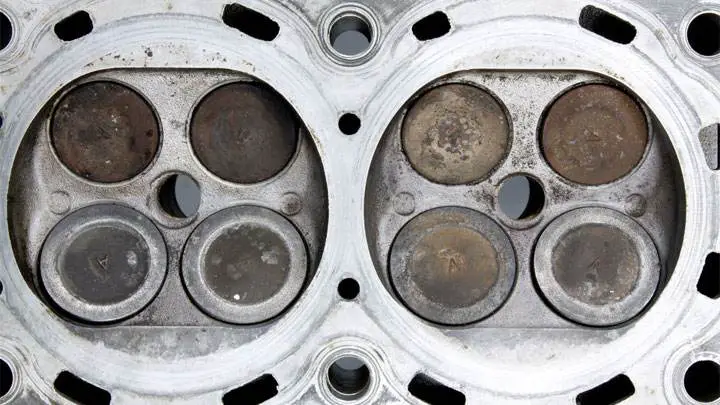
The only “correct” way to remedy bent or otherwise damaged valves is to replace them. This is a rather complex repair, as it requires the removal of an engine’s cylinder head.
For this reason, labor costs tend to be quite high. In most cases, the proper replacement of a damaged valve will cost between $800 and $1,500.
However, this price can be significantly reduced by removing and reinstalling the cylinder head in question yourself. Under these circumstances, the cost of replacing a valve would likely be between $400 and $600.
There are also a number of valve repair methods that do not involve removing the cylinder head in question. Most involve pressurizing a cylinder with compressed air, before attempting to manually straighten a bent valve with hand force.
Even though such a repair would cost much less, attempts of this nature are not advised, as it would likely lead to the “repaired” valve being weakened. The corresponding valve guides and valve seats can also be damaged in the process.