
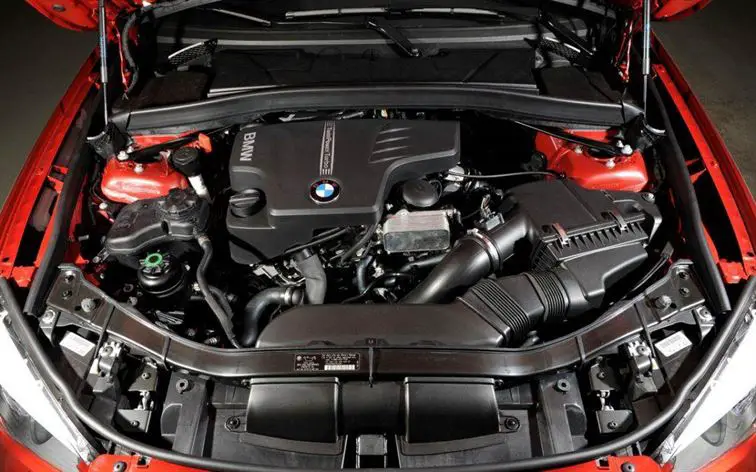
Your car stalls after a loud noise and won’t start. Annoying, right? This can happen even when the battery is new and the tank is full. The signs point to an engine seizure problem, which can be scary because the repair could be extremely costly. What should you do to avoid such expenses, besides regularly changing the engine oil and maintaining the car regularly? You need to pay attention to the symptoms of a seized engine.
What does a seized engine look like?
There are specific symptoms of engine seizure, which give indications of the disaster you are about to face. However, there is also a distinctive seized engine noise that foreshadows an imminent problem.
When an engine seizes, it means that internal components, such as pistons and bearings, are stuck or frozen, preventing the engine from rotating freely. The noise of a seized engine can vary depending on the severity of the seizure and the specific circumstances, but you might notice a few common signs:
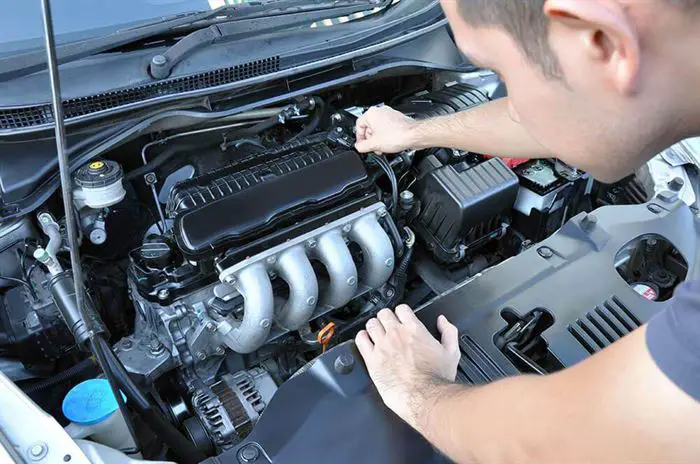
When the problem is in its initial stage, you will hear light tapping or knocking sounds when driving the car. This noise occurs because the starter is trying to turn the engine over but cannot rotate it due to seized components. The starter might keep engaging but fails to start the engine. The next stage involves hearing loud, thunderous knocks, excluding metallic strikes. This condition is known as a “dead blow” and happens when the piston rod hits the crankshaft.
In some cases, you will hear no sound when attempting to start the engine. This lack of noise usually occurs because the engine is completely locked up, preventing any movement.
You should take the car to a garage after spotting the symptoms of a seized engine. Diagnosing it earlier can save you thousands of dollars.
Seized Engine Symptoms: How to tell if the engine is seized?
It is necessary to have the car’s engine checked in case of poor engine performance, engine oil warning light, and strange noises coming from the engine. Stay alert for these seized engine symptoms:
1. Loud Sound
A standard vehicle, when running, should only emit 3 sounds considered “safe,” namely the sound of the engine, the horn, and the sound of the entertainment speaker system. Other unusual noises are considered “warnings” and require special attention from car owners. It could be a car engine error.
It has already been mentioned that knocking or thudding noises can also indicate a seized engine. The noise is the result of the condition striking the flywheel.
2. Smoke
Smoke or fire from under the hood can be another symptom of a seized engine. As the starter is unable to start the engine in this state, the wiring can overheat, sometimes causing smoke and even a fire.
Furthermore, depending on the color of the smoke, certain problems can also be diagnosed:
- Green smoke: This means the engine is burning oil and there might be a potential leak somewhere in the car engine. If this condition is not fixed, it will lead to oil loss and damage to engine parts.
- When the vehicle emits thick white smoke, it almost certainly signals a problem with the engine’s head gasket. When seeing this sign, the car owner must quickly have the car repaired to avoid completely damaging the engine. Additionally, the exhaust pipe spewing white smoke also shows that the car’s transmission fluid is burning, which could lead to a gearbox seizure.
3. Check Engine Light
If the Check Engine light (engine warning light) on the dashboard stays on constantly, it is a warning sign of some problems occurring in the car engine. For example:
- The oxygen sensor needs to be replaced.
- The Mass Air Flow (MAF) sensor needs to be replaced.
- The exhaust filter is damaged and needs to be replaced.
- The spark plugs are damaged or worn out (causing engine misfire).
- The gas cap is not tightened sufficiently.
- Many other problems related to sensors and actuators.
4. Engine Failure
When this happens, it is obvious that your car is in big trouble. However, one should not wait for the engine to reach this state. Complete engine failure means it will not start under any circumstances. Battery-powered accessories such as lights, radio, and others may still work.

5. Loose Engine Parts
When a component of an internal combustion engine is loose, such as a piston, it can punch through the engine block. An inspection under the hood will make you aware of this problem.
A lack of engine oil is the most common cause of engine seizure. Low engine oil level leads to friction, overheating, and other complications that ultimately result in engine failure. The buildup of water or rust inside the engine can also be the cause of this problem. The failure or damage of engine parts can be another probable reason, but it is very rare for this issue to create a seized engine.