
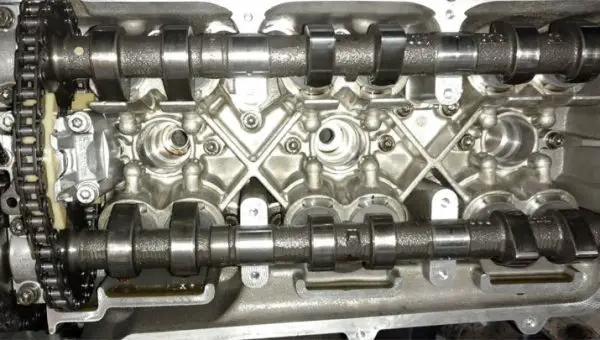

Hydraulic Lifters: Operation, Failures, and Solutions
Hydraulic lifters play a key role in the proper functioning of your engine. Located near the valves, these small cylinders ensure smooth and quiet operation. However, over time and with a lack of maintenance (dirty oil, insufficient pressure), they can wear out and generate a tapping noise.
Ignoring these noises or other signs of malfunction can lead to serious and costly damage. To avoid this, here is everything you need to know about hydraulic lifters: their operation, symptoms of failure, and solutions to fix them.
1. Operation of Hydraulic Lifters
Hydraulic lifters are connected to the valves by a small rod called a rocker arm. Unlike mechanical lifters, they contain oil that activates a piston and a spring, thus allowing optimal clearance in the valve train and reducing engine wear.
However, low oil pressure can affect their performance and cause unusual noises. If this problem is not addressed quickly, it can cause damage to the valves, rocker arms, and pushrods, making repairs expensive.
2. Symptoms of a Faulty Hydraulic Lifter
A faulty lifter is recognized by a constant tapping noise that worsens over time. Depending on the severity of the problem, this noise can be noticeable both when cold and when hot.
Common Causes of Failure:
- Sticking check valve
- Lifter clearance issues
- Dirt buildup or excessive wear
- Lack of lubrication or contaminated engine oil
- High vehicle mileage
- Irregular maintenance
- Use of inappropriate engine oil
- Clogged or faulty oil filter
Main Symptoms:
1. Sticking Lifters
A sticking lifter remains collapsed, preventing the system from maintaining oil pressure and generating a clattering noise.
2. Noise Amplified with Increased RPM
A faulty lifter produces a louder and more frequent noise as the engine speed increases.
3. Engine Misfires
A faulty lifter disrupts the air/fuel mixture, causing misfires and a loss of power.
4. Dead Cylinder
A mispositioned pushrod can lead to a non-functioning cylinder, risking serious engine damage.
5. Check Engine Light On
Advanced lifter failure can trigger the check engine light. In this case, diagnosis via error code is recommended.
3. Solutions and Preventive Maintenance
Replacing Hydraulic Lifters
An engine typically has two lifters per valve. Depending on the extent of the damage, it may be necessary to replace between 2 and 32 lifters. Add to that the cost of gaskets, bolts, and other parts, and the repair can become expensive.
An alternative is to purchase a complete replacement kit, often more economical than buying individual OEM parts. Although remanufactured lifters may seem attractive, they do not reduce labor costs and are generally not recommended.
How to Reduce Lifter Noise?
- Regular Oil Changes
- Always use the correct engine oil and adhere to recommended oil change intervals.
- Adding an Oil Additive
- Additives like Liqui Moly or Marvel Mystery Oil improve oil quality and clean the lifters.
- Adjusting Lifter Clearance
- If the noise persists, a mechanic can adjust the gap between the lifters and other engine components.
Conclusion
By paying attention to the symptoms of a faulty hydraulic lifter, you can avoid costly repairs and extend the life of your engine. If you hear suspicious noises, do not delay in taking action. Proper maintenance and appropriate adjustments help prevent major failures and ensure optimal engine operation.