
The turn signal relay is the simplest system in your car to analyze and troubleshoot when there’s a problem. Unless your turn signal is working, it will be difficult for you to maneuver the car tightly. But the good news is that troubleshooting your bad turn signal relay symptoms isn’t too difficult.
What is the Turn Signal Relay?
We call the electrical device that controls the turn signals a turn signal relay or hazard relay. The majority of turn signals in road vehicles are controlled by a flasher, also called a relay, which is an electrical component that allows the lights to flash.
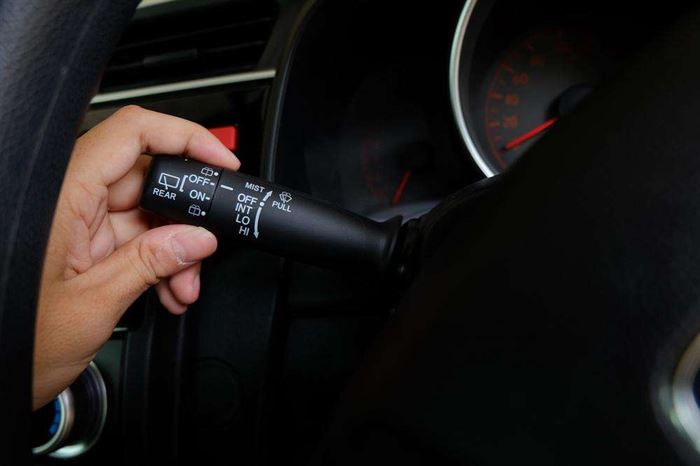
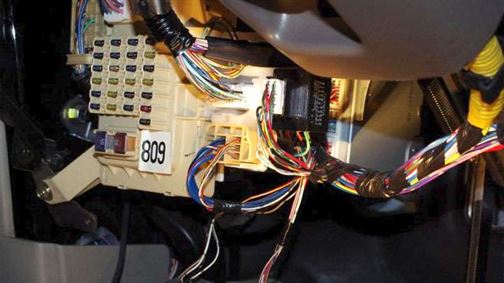
The turn signal relay is typically a small box-shaped device located in or near the fuse box or under the dashboard. It is connected to the vehicle’s electrical system and receives input from the turn signal switch, which is usually located on the steering column. When the driver activates the turn signal by moving the switch up or down, the turn signal relay receives an electrical signal, causing it to open and close a circuit, resulting in the turn signals flashing.
The relay’s timing mechanism ensures that the turn signals flash at a constant rate, typically about 60 to 120 times per minute, depending on the vehicle and regional regulations. This flashing pattern alerts other drivers and pedestrians of the driver’s intention to change lanes or turn, thus enhancing overall road safety.
If the turn signals are not working or are flashing at an irregular rate, it may indicate a faulty turn signal relay. In such cases, replacing the faulty relay is usually the solution. However, it is important to note that the exact location and design of the turn signal relay can vary between vehicle makes and models. It is recommended to consult the vehicle’s owner’s manual or seek professional assistance for accurate identification and replacement of the turn signal relay.
Symptoms of a Bad Turn Signal Relay
A turn signal problem mainly stems from a burnt-out bulb or a faulty turn signal relay. There are many symptoms of a bad turn signal relay problem. Usually, faulty turn signals exhibit certain symptoms below that can alert the driver to a potential issue.
The Turn Signal Relay Does Not Work
A broken turn signal is the most common symptom of a faulty turn signal relay. The lights may not work when you press the hazard light button. Although this problem may not cause serious engine performance issues, it is very dangerous when your turn signals are not working.
If the turn signal blinks very fast, the bulb may be dead. You can easily replace a turn signal bulb like any other broken bulb. It’s easy to change and doesn’t cost much.
If the bulbs are not the cause, you definitely need to change the turn signal relay.
Before changing the turn signal relay, make sure to check the turn signal relays for the turn signals or hazard lights, as they are separate in some cars.
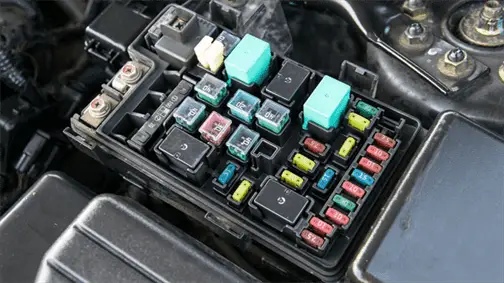
First, of course, buy yourself a new turn signal switch. Look for the location of your relay cluster. Most of the vehicle owner’s manual provided with your specific model will indicate exactly where it is. And for 100% of cars, it’s an assembly of different electrical components. Then, remove the old turn signal relay and add the new one. And that’s the only way to insert the relay. Don’t worry about incorrect installation; it will only go in the right way. Also read our maintenance tips given by experts to learn more about other car problems.
The Turn Signal Relay Stays On
Another symptom of a faulty turn signal relay is that it stays on instead of flashing. Although they are on, they won’t appear in other situations when the driver wants to turn left/right or in other circumstances. The main result of this problem is electrical issues. Therefore, it is necessary to check the vehicle regularly.
Other Lights Do Not Work
In some cases, additional lights such as headlights, parking lights, or brake lights may also not work with your turn signal relay. The reason is that these lights may be connected through or with your hazard lights in some cars. So sometimes, unless your turn signals are faulty, it causes other lights not to work.
Additional Troubleshooting
If your turn signals still don’t work after replacing your faulty turn signal relay and verifying that the bulbs are working, you will need to check the electricity.
Sometimes, the only thing to do is check the connections. You need to access the back of the turn signal housings to replace your bulbs. At that point, disconnect the connection between your taillights, front turn signals, and the car’s electrical system, then reconnect them one by one. In some cases, this action can help you solve the problem.
In another case, you should think about random fuses when your turn signal relay symptom appears. A faulty circuit that doesn’t seem to affect the turn signals or brake lights can somehow cause them to fail.