
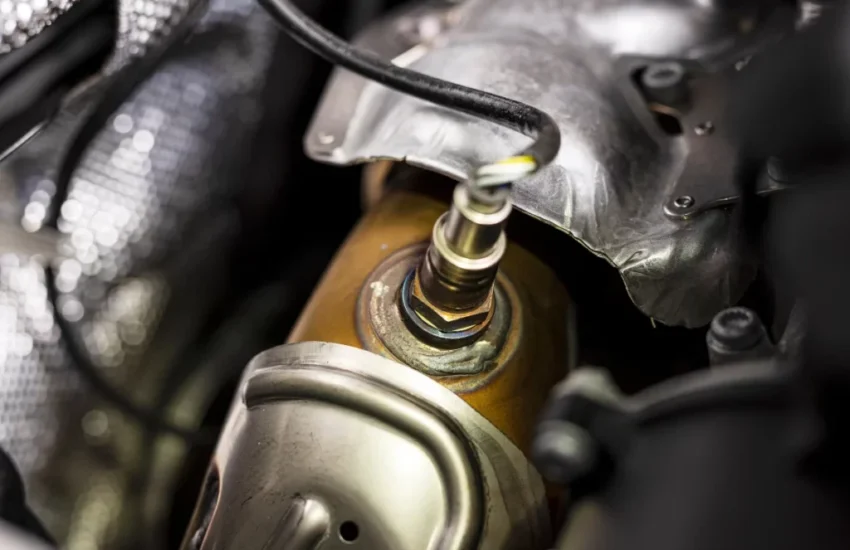
Symptoms of a Bad O2 Sensor: Over time, the O2 sensor wears out and becomes unable to detect oxygen. At this stage, replacing an oxygen sensor is mandatory. For this, you need to determine if it’s the right time to buy a new oxygen sensor. Here, we will give you the symptoms of a bad O2 sensor.
The O2 or oxygen sensor is usually located near the exhaust manifold. As its name suggests, it detects the amount of oxygen present in the gases exiting the exhaust system. It checks the proportion of oxygen relative to other gases or the air/fuel mixture.
The correct proportion is necessary to ensure that certain things work well. A properly functioning oxygen sensor ensures low fuel consumption, low pollution, and other vital factors.
Recognizing the Symptoms of a Bad O2 Sensor
The O2 sensor determines whether the fuel and air mixture is too rich, lacks oxygen, or contains too much oxygen. In such a condition, it sends a signal to the engine control unit so it can be adjusted to normal.
To inform the ECU about the oxygen proportion, a functional O2 sensor must be present.
A faulty O2 sensor always damages the emission system and thus reduces overall performance. Learn about the symptoms that describe a bad O2 sensor so you can take further action.
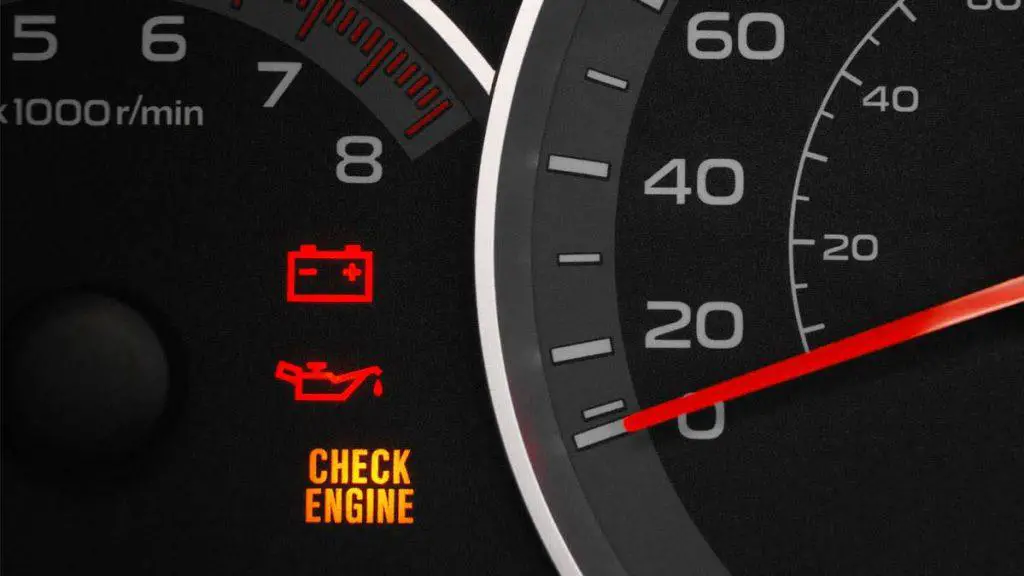
1. Check the Check Engine Light
Go to the engine management system where the screen lights up in case of malfunction. If the Check Engine light icon flashes, it is one of the symptoms of a bad O2 sensor.
It’s the easiest way to know that you need to consult a professional and have the sensor repaired or replaced.
However, the light comes on for various malfunctions and not just to display the O2 sensor’s status. Still, it’s a sign that it’s necessary to take the car to the repair shop.
So next time you wonder what a car does when the oxygen sensor is faulty, take a look at the Check Engine light.
2. Poor Mileage and Pathetic Smell
You know what an O2 sensor does when it pings the ECU about the fuel/air ratio. Lack of fuel might force you to frequently fill up those gallons of fuel. Therefore, the second sign of a faulty O2 sensor is poor mileage.
If you regularly notice high fuel consumption, the oxygen sensor might be the cause. An improper air/fuel mixture consumes more fuel than usual and affects mileage.
In another case, if you sense an unpleasant smell as if something is rotten, that’s also a sign. Many times, you can see black smoke coming out of the exhaust pipe; consider this a clear sign that the oxygen sensor is not working.
3. Rough Driving Misfires
Due to a bad oxygen sensor, issues such as misfires, power loss, and rough driving can occur.
All these operations describe the functioning of an engine that runs well in the presence of a functional O2 sensor.
Since a faulty sensor interferes with the fuel/air mixture ratio, distractions occur during driving.
This is one of the bad oxygen sensor symptoms: if you notice it, immediately take the car to the repair center before the condition worsens.
4. Lifespan of an Oxygen Sensor
Now that you clearly know “what is an O2 sensor“, it’s time to know how long the sensor lasts.
As every part wears out over time, so does the oxygen sensor. As a guideline, you can drive approx. 100,000 miles before feeling the need to replace the O2 sensor.
However, you should always have a professional check whether the sensor is worn out or not. Learn maintenance tips here and solve different car problems.
As with other parts you replace yourself, it’s also possible to DIY an oxygen sensor.
If you have an OBD2 scanner and the right set of tools, the process is simple. To diagnose the problem, you can download the app on your smartphone as an alternative to the OBD2 scanner.
You can order the sensor from a trusted seller or online in this case. Once you have the part, you’ll need one or two wrenches to work with the sensor socket, and in no time, you’ll be done.
The wire transfer should be done one by one rather than all at once. Otherwise, it’s always better to entrust your vehicle to professionals and let them handle it.
There, you can discuss further with them about “how to tell if the O2 sensor is faulty” and how to take care of it.
FAQ
- How often should O2 sensors be replaced?
O2 sensors are wear components that deteriorate over time. Most experts recommend replacing them every 60,000 to 100,000 miles, but the interval may vary depending on your vehicle’s make and model.
- Are there different types of O2 sensors?
Yes, there are generally two types of O2 sensors: upstream (pre-catalytic converter) and downstream (post-catalytic converter). They serve slightly different purposes, but both are important for proper engine operation.
- Is it safe to drive with a faulty O2 sensor?
While it’s generally safe to drive with a faulty O2 sensor for a short period, it’s not recommended long-term.
A faulty sensor can lead to reduced fuel efficiency and increased emissions, potentially damaging other engine components.
- How much does it cost to replace an O2 sensor?
The cost of replacing an O2 sensor can vary depending on your vehicle’s make and model, labor costs in your area, and whether you choose an OEM (Original Equipment Manufacturer) sensor or an aftermarket one. It can range from $50 to $200 or more per sensor.
- Can cleaning an O2 sensor fix the problem?
Cleaning an O2 sensor is generally not recommended, as it may not solve the underlying issue. If the sensor is malfunctioning, it’s usually better to replace it with a new one for optimal performance.
Conclusion
So here are some of the obvious symptoms of a bad O2 sensor. Recognize any of these signs and opt for repair by a professional or by DIY if you have some experience handling mechanical objects.