
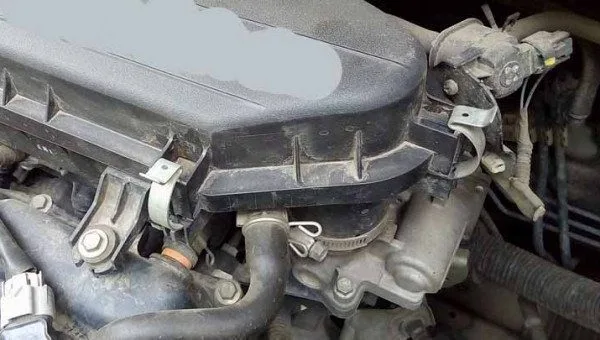
Role of the Intake Manifold Gasket
The intake manifold gasket is an essential component located between the cylinder head and the intake manifold. It provides the necessary seal to maintain pressure and prevent leaks of air, fuel, or coolant. Made of metal, rubber, paper, or composite materials, it ensures the proper functioning of the intake system, which is responsible for delivering the air-fuel mixture to the cylinders.
5 Symptoms of a Faulty Intake Manifold Gasket
- 🚨 Coolant Leak
- Problem: If the gasket also seals the cooling circuit, wear can cause internal or external leaks.
- Signs: Sweet smell in the cabin, steam under the hood, puddles under the vehicle, or engine overheating.
- 🛑 Engine Stalling
- Cause: A vacuum leak due to a damaged gasket disrupts the air-fuel ratio.
- Consequence: The engine runs irregularly and may stall suddenly, especially at idle.
- 🌡️ Engine Overheating
- Mechanism: A coolant leak into the manifold lowers the level and creates air pockets, preventing optimal cooling.
- Indicator: The temperature warning light illuminates on the dashboard.
- ⛽ Poor Fuel Economy
- Explanation: Excess air drawn in through the leak results in a too lean mixture, forcing the ECU to inject more fuel.
- Impact: Increased consumption (up to +20%).
- 🚗 Loss of Acceleration
- Symptom: Jerky acceleration or fluctuating power, even with the accelerator pedal pressed.
- Risk: Danger in traffic (e.g., during overtaking, on inclines).
Possible Causes of Failure
- Natural wear: Aging of the material (especially rubber).
- Engine overheating: Premature deterioration of the gasket.
- Improper tightening: Incorrect installation after maintenance.
- Corrosion: Contact with aggressive fluids (oil, fuel).
Solutions and Corrective Actions
- Visual Inspection:
- Look for traces of coolant or soot around the manifold.
- Use smoke to detect vacuum leaks.
- Gasket Replacement:
- Remove the intake manifold.
- Clean the contact surfaces (cylinder head and manifold).
- Install a new gasket suitable for the model, following the specified torque.
- Check Related Systems:
- Verify the coolant level and absence of air bubbles.
- Test the intake circuit pressure with a pressure gauge.
Recommendations
- ⚠️ Do Not Drive with a faulty gasket: Risk of serious engine damage (overheating, hydrostatic lock).
- 🔧 Consult a Professional: Replacement requires specific tools (torque wrench, appropriate sealing gaskets).
- 🔄 Use Quality Parts: Prefer manufacturer-certified gaskets for optimal lifespan.
In Summary: A failing intake manifold gasket compromises engine performance, safety, and longevity. Act quickly at the first signs of symptoms!