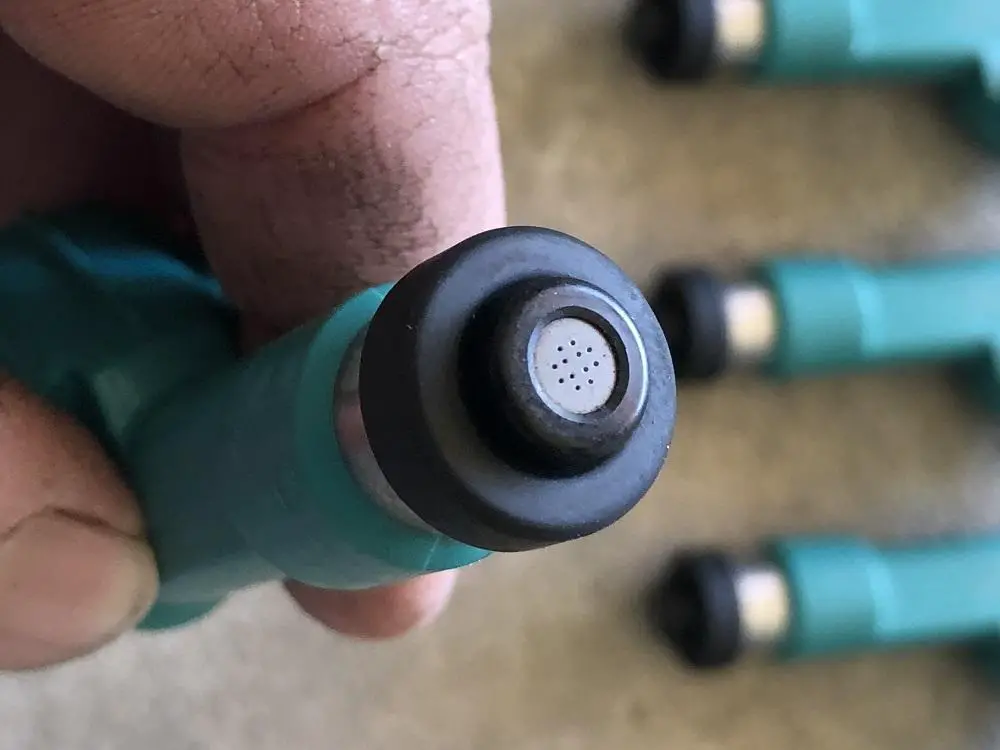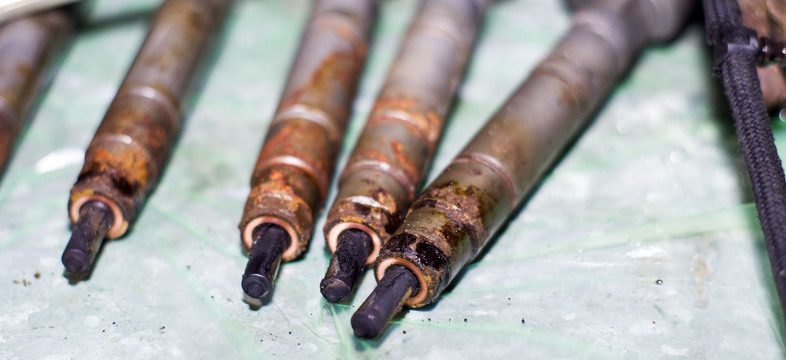
Vehicles manufactured before the 1980s were equipped with a carburetor. But today’s automobiles are equipped with an advanced electronic fuel injection system. As part of this system, a fuel injector functions to spray fuel into the engine. Any problem will seriously affect engine performance and can make driving difficult. It is necessary to detect bad fuel injector symptoms before your precious car suddenly breaks down.
What is the purpose of a fuel injector? Well, it supplies the engine with fuel to facilitate the internal combustion process. It sprays fuel into the engine cylinder via a nozzle. The Engine Control Unit (ECU) monitors the injector’s operation and ensures it sends the correct amount of fuel to the engine at the right time.
Bad Fuel Injector Symptoms
Fuel injectors are unlikely to malfunction if you clean them regularly. When maintenance is not up to par, they can become clogged with dirt and fail completely.
What happens when fuel injectors fail? It certainly affects engine performance. A bad fuel injector will spoil the quantity, timing, angle, pressure, or pattern of the sprayed oil. In any case, the car will not perform as it should.
Here are some common symptoms of a bad fuel injector:
Engine Performance Problems
Fuel injectors not working properly means the engine does not receive enough sprayed fuel. As a result, the combustion process does not start, leading to engine misfires and creating several performance-related issues, such as difficulty accelerating, hesitation after pressing the accelerator pedal, and lower fuel economy.
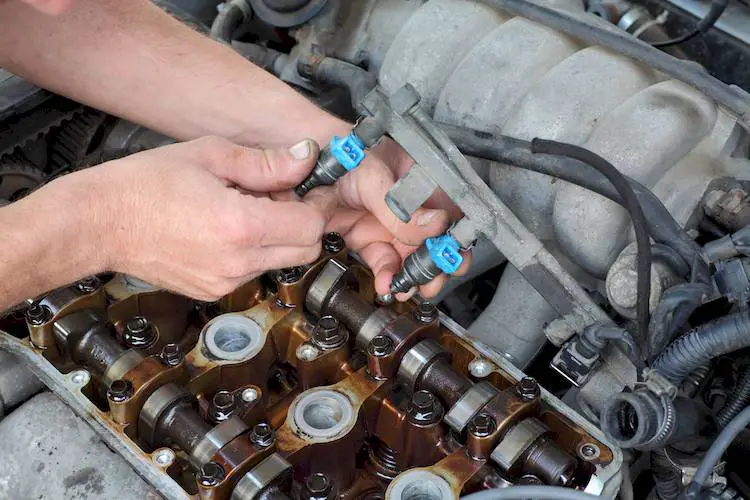
All these problems are due to an incorrect air/fuel ratio. A delay in this case will lead to overheating and even engine stalling.
Rough Idle
Due to an incorrect amount of fuel in the engine, the vehicle’s RPM drops below the optimal level at idle. As a result, it starts to idle irregularly or roughly. The engine may also stall if the RPM level drops too low.
Engine Vibrations
The fuel sprayed by the injectors facilitates the combustion process. When one of them is faulty, the corresponding cylinder will not be able to fire. The consequence is engine hiccups or constant vibration while driving.
Vibration is one of those bad fuel injector symptoms that correspond to many other engine problems from other sources. Diagnose the fuel injection system to ensure the problem comes from the injectors.
Check Engine Light Illuminates
After all these engine problems, it makes sense that a faulty injector triggers the check engine light. The ECU illuminates the light when it detects an anomaly such as an engine misfire, clogged injectors, or an electrical issue.
Fuel Leak
Due to age, the fuel injector can become punctured or damaged. Oil will escape through the opening when this happens, causing it to leak from the injector body. This could also come from the injector seal, which will only worsen over time. A visual inspection is enough to discover the trace of gasoline on the injector surface or on the fuel rail.
Fuel Smell
A chain reaction from a fuel leak will be a fuel smell. Whether it’s a leak at the injector or its seal, you will smell a gasoline odor. This happens because the oil does not burn as the injector is not functioning correctly. A faulty sensor or fuel lines could also be the cause. Whatever the reason, any kind of gasoline smell must be addressed immediately, lest it turn into a huge safety hazard.
Failed Emissions Test
Bad fuel injector symptoms also include excessive emissions due to incomplete or irregular gasoline combustion. A leak in the injector can make the air/fuel ratio so rich that it can burn out the catalytic converter.
Fuel injectors are essential to a car’s operation and drivability. You should entrust the car to a professional mechanic if it shows any of the signs mentioned above.