
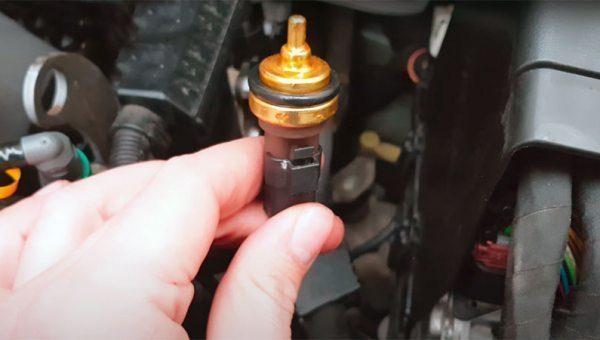

Knowing the temperature is very useful. If you go outside, you look and see that it’s 28 degrees and you should wear a warm hat. Although your car doesn’t wear cozy hats, it’s essential that it constantly monitors the engine temperature when it’s running.
That’s the job of the engine coolant temperature sensor (CTS or ECTS). Coolant is also called antifreeze, the liquid that helps keep the engine at an optimal operating temperature.
The vehicle can do several things to change the temperature if needed, so the temperature data that the CTS sends to the ECU (the car’s main computer) is essential.
Some vehicles also have a cylinder head sensor (CHS) located at the top of the cylinder and is not affected by coolant loss because it is not submerged in coolant like the CTS. This makes the CHS more reliable than the CTS.
Table of Contents
How Does a Coolant Temperature Sensor Work?
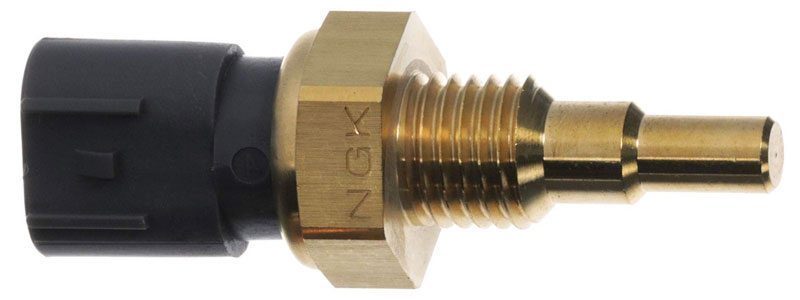
The CTS uses electrical resistance to measure temperature, meaning the CTS is a thermistor. The sensor’s resistance (opposition to electrical flow) changes proportionally with temperature – as the temperature increases, the electrical flow also increases.
The ECU sends the electrical signal through the CTS, measuring the voltage drop. This converts the electrical flow information into a temperature reading.
With this information, the ECU adjusts fuel injection, ignition timing, and the electric radiator cooling fans to maintain an optimal temperature. If the engine is cold, the ECU directs the air/fuel mixture to be richer, or a higher proportion of fuel for the amount of air entering the engine.
If the engine starts to get too hot, the ECU will kick on the radiator fans. This is normal behavior when you’re sitting at a long stoplight on a hot day, for example. Some cars shut off the engine in case of overheating to protect itself from engine damage.
The temperature information is also sent to the dashboard gauge, which is usually located next to the fuel gauge.
Symptoms
of a Bad Coolant Temperature Sensor
All parts eventually wear out, and this sensor is no exception. It is essential to address cooling system issues because if the vehicle ends up overheating, it could cost you an engine (which is very expensive and time-consuming to repair).
1) Overheating Engine
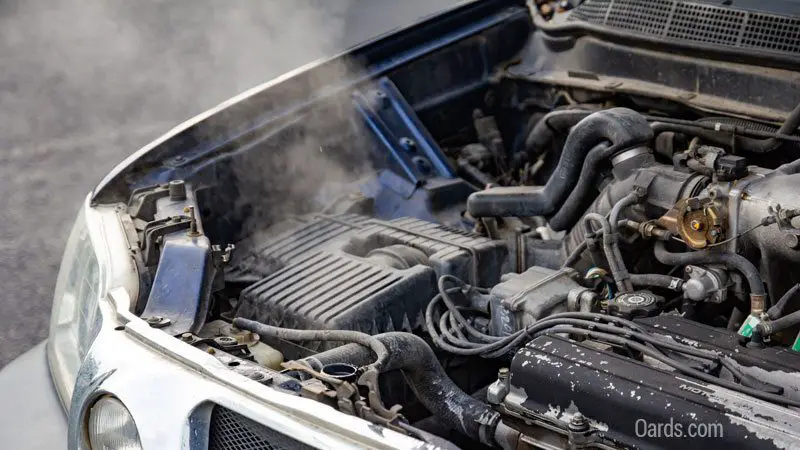
An overheating engine should give several warnings like a high temperature reading on the dashboard gauge and sometimes white “steam” coming out from under the hood (that’s boiling coolant, meaning it’s leaving the system – that’s bad!).
Not having enough coolant is one problem. A coolant leak can also cause the engine to overheat if there isn’t enough reserve to cool the engine properly.
2) Poor Engine Performance
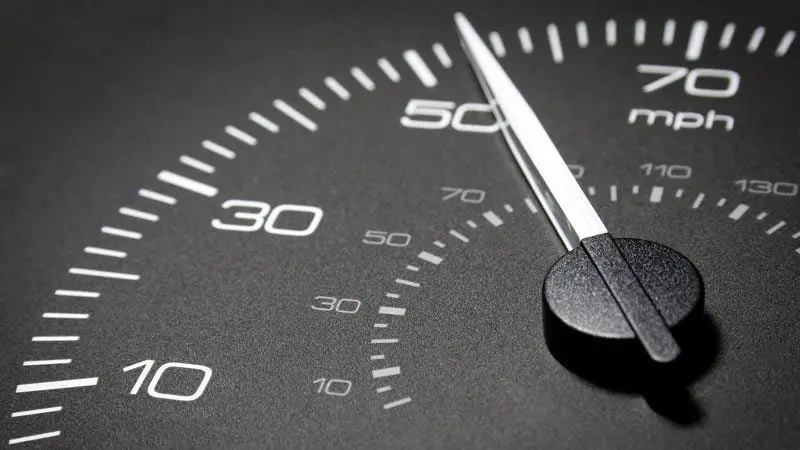
If the sensor is faulty, it can send incorrect temperature information to the ECU, which can lead to strange engine behavior, like general “weakness” or sluggishness.
If the vehicle is lagging during acceleration, accelerates slowly, idles roughly, or is hard to start, especially when it’s already warmed up, it’s worth checking the CTS.
3) Increased Fuel Consumption

You might see your fuel economy deteriorate significantly if the sensor is faulty, as the computer may direct too much fuel to be injected into the cylinders.
4) Black Smoke from Exhaust

For the same reason, the vehicle can run too rich, causing the excess fuel to burn in the exhaust and making other drivers look at you.
5) Failed DEQ Emissions Test

If too much fuel or an abnormal amount of byproducts are expelled due to inefficient combustion, it will show up during an emissions test as something that needs to be fixed.
The CTS could be the culprit, although there are several sensors and seals that need to be checked.
6) Inaccurate Temperature Gauge

If the engine temperature reading on the dashboard gauge seems incorrect (for example, if the gauge reads “cold” when the car is fully warmed up), the coolant temperature sensor might be receiving faulty information.
7) Check Engine Light is On
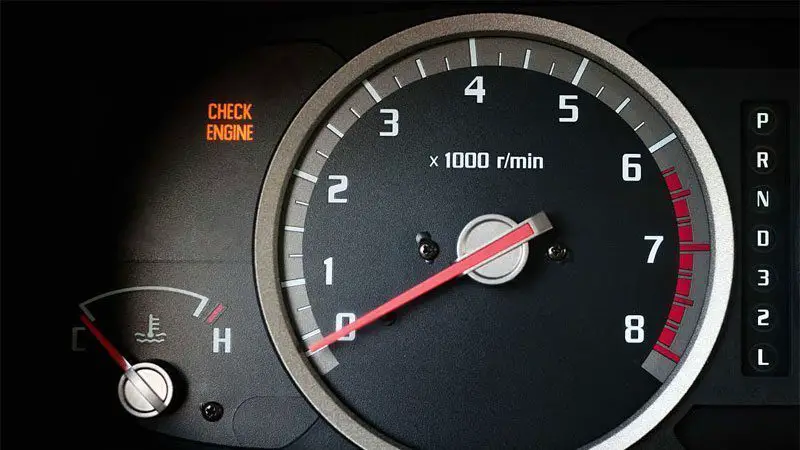
The dashboard “check engine” light comes on when the ECU detects a problem and logs a code. If you see this along with any of the other symptoms, it’s worth checking the CTS.
8) Cabin Air Conditioner Stops Working
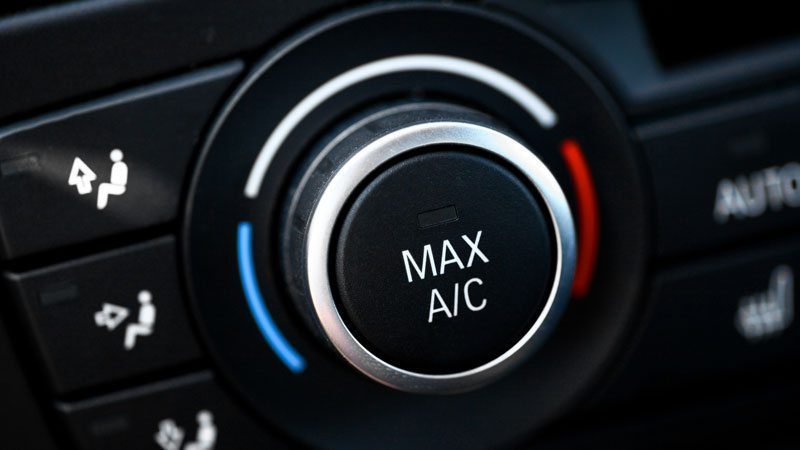
Many vehicles put the car into a “fail-safe” mode if overheating is detected. This can stop the engine, run the engine cooling fans continuously, and disable the interior air conditioning to allow the car to dissipate engine heat more effectively.