
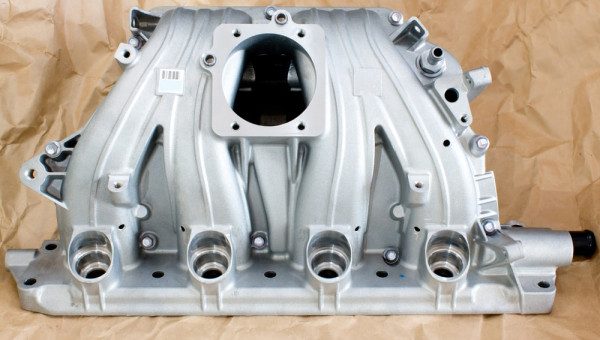

The intake manifold is an important engine component without which a car cannot function properly.
It is responsible for the precise distribution of air into the engine cylinders for combustion. Therefore, combustion in the engine is not possible without an intake manifold.
Moreover, if the intake manifold fails, the vital functions of your car deteriorate and the car’s performance decreases.
Inside the intake manifold are gaskets that seal the air from the coolant flowing nearby. When the gaskets inside the intake manifold wear out, you will experience certain symptoms.
If you pay attention to these symptoms, you can save a lot of money in the long run.
Symptoms of a Bad Intake Manifold
The most common problem with the intake manifold is a blown gasket. Since the gaskets are made of steel and rubber and are relatively thin, they can break very easily.
When the engine is running, the gaskets are under real pressure and over time, they can deteriorate to the point where the car feels the effect. Normally, a gasket should be replaced after 50,000 to 70,000 miles if everything else is working well. If it fails, you will see a number of signs.
Some newer cars have swirl flaps in the intake manifold that can fail. In this case, you often have to replace the entire intake with a new one!
1. Engine Overheating
The intake manifold gasket prevents air from mixing with the coolant chamber. If the gasket fails, the coolant starts to leak; the first effect is felt by the engine, which begins to overheat due to the loss of coolant. You will see this while driving when the temperature gauge rises on your dashboard. It is advisable to see a mechanic as soon as this happens, as an overheating engine can seize and stop working completely. In emergency situations, topping up the coolant can keep your car running for several more miles. Learn more about overheating here: Overheated Car Engine.
2. Loss of Engine Performance or Misfires
When the intake manifold fails, the fuel/air ratio is affected. We all know how important the air-fuel mixture is for efficient combustion, so any effect on this mixture can affect your car’s fuel consumption. You will find that you are burning more fuel and filling the fuel tank more often. Not only that, you will also feel that your car is not accelerating properly and the engine is hiccupping. Whenever this happens, you should visit your local mechanic to have your car checked.
3. Coolant Leak
If the intake manifold fails, coolant starts to leak from it. To inspect the leak, you need to look under the vehicle or around the intake manifold. Any coolant leak unnecessarily destroys your vehicle’s performance.
Cleaning and Repairing the Intake Manifold
Although the intake manifold is visually visible, all problems associated with the manifold are inside, so you cannot fix or clean anything without opening half the engine. However, for the sake of all the petrolheads reading this, we will tell you the best way to clean the intake manifold and its gasket.
Things You Will Need;
Tools needed to remove the intake manifold
Grease
Water
Removing the Intake Manifold
The intake manifold is a bundle of pipes that normally connect to the engine from the top. It’s hard to miss, but it’s often very difficult to disassemble, so it’s better to have this part done by a mechanic. But if you are skilled and qualified enough to open the intake manifold, do it! When you have opened the manifold, first remove the gasket and check if it has a crack somewhere. If so, it is a cracked gasket that can be easily replaced but not repaired.
Also check for signs of cracks in the intake manifold from which it might be sucking in air. If your intake has swirl flaps inside, check the swirl flaps in the manifold, and if they are broken, you will need to replace the entire manifold.
Cleaning the Intake Manifold
To clean the intake manifold and gasket, you must first wash them with water. After washing the intake manifold and its parts with water, let them dry. Once the parts are dry, grease all the gaskets and reassemble the intake manifold.
Always be careful not to let dirt or other contaminants get into the intake manifold. Use a blower if necessary. Finally, reassemble everything and put the intake manifold back in place. All of this is easier said than done, so be extremely careful when handling heavy engine components.