
Car tires are classified in different ways. Based on weather conditions, car tires are categorized into 3 types: winter tires, summer tires, and all-season tires. When it comes to buying new tires, many drivers are unsure whether to purchase all-season tires or summer tires. Tires are one of the most important components and directly affect a vehicle’s safety. Understanding tires also helps drivers grasp their own safety when participating in traffic. What is the difference between summer tires and all-season tires? Drivers, please find out here.
What are summer tires?
If you want to drive a higher-performance car and spend a lot of time on the road in summer, you might wonder if it’s a good idea to buy summer tires for your car. Summer tires have the characteristic property of remaining inelastic even under high-temperature conditions. The tire surface has shallow grooves and small studs to create just enough friction to keep the car moving steadily.
Furthermore, the compounds and design of summer tires allow the vehicle to grip the road and increase handling on dry or wet surfaces. Summer tires must guarantee maximum performance at temperatures above 7 degrees Celsius. Additionally, summer tires have a long lifespan and save more fuel than winter tires. Let’s take a look at some of the features of this tire:
Rubber compound: Contains less natural rubber and softens at milder temperatures, allowing the rubber to adapt to dry and wet roads.
Structure: Fewer sipes, but a tread specifically designed to resist water absorption and allow for better grip on wet and dry surfaces.
Tread pattern: A simpler tread pattern contributes to excellent handling and a longer braking distance.
Note: You should not use summer tires in conditions where the temperature is below 44.6°F. In summer, temperatures can rise, so drivers should regularly monitor the tire pressure sensor to reduce the PSI, thus helping the car maintain the correct pressure.
What are all-season tires?
For those looking for a flexible, all-weather tire, the all-season tire is the perfect option. These tires can perform stably in all road conditions, a choice drivers can fully trust. All-season tires are made from synthetic rubber and offer good performance in various weather and thermal conditions. They typically have a tread size and shape allowing for perfect handling in snowy conditions and also provide excellent grip on wet and dry roads.
All-season tires have narrow sipes running across the tread – for better grip on wet or icy roads. The unique tread surface design of all-season tires also produces less noise, thus providing a smooth ride for vans, SUVs, and multi-purpose vehicles. Basically, when searching for all-season tires, each person will have different requirements, depending on the driving experience they desire.
Advantages:
- Generally, an all-season tire usually lasts longer than a summer tire. Simply because they are made to withstand all weather elements.
- You don’t have to go and change your tires with every season change. They provide adequate performance in all seasonal conditions, but they are not as optimized as summer tires.
Disadvantages:
All-season tires are not very grippy. These won’t stick to the road like a truly sticky summer tire. Because they are designed to be versatile and to withstand the elements very well, they have to be versatile, so they won’t be particularly high-performing in snow and in summer.
What are the differences between summer and all-season tires?
Structure
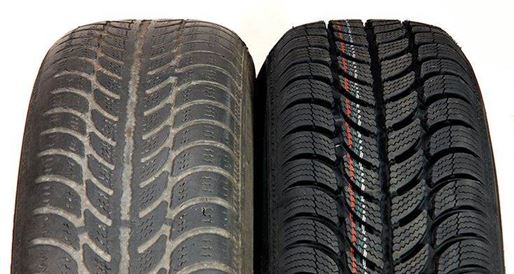
- In summer tires, you’ll see there will be a large contact area on the outside of the tire, so when you take a corner, it will have a lot of contact area to grip the road. Sometimes you’ll notice that summer tires have a lower tread depth than all-season tires, which is really good for dry surface grip. Summer tires also have stiffer sidewalls, which can reduce the comfort provided by the tire, but it can allow for better steering response and feedback.
- All-season tires are a combination of features between summer tires and winter tires. So, in the center of the tires, you can see the sipes on the outside. There are fewer features to allow for good cornering grip. These tires also have grooves that expand as you go deeper into the tread, so as the tire wears, the groove widens, and you still have plenty of space for water to evacuate. Compared to the summer tire, you can see it’s actually the opposite. It becomes narrower as you get closer to the wear bars.
Temperature
The biggest difference really concerns the temperatures at which these tires perform best. The summer tire has a compound intended for temperatures generally above about 40°F. For all-season tires, they can still remain somewhat flexible at freezing temperatures but also perform at these higher temperatures.
Fuel Economy
Summer tires always have better fuel efficiency at high temperatures due to their ability to have a stiffer construction and less friction. And all-season tires? Because they have more rolling resistance in hot weather and fewer miles per gallon.
FAQ
Are summer tires good in the rain?
The answer is that summer tires are excellent in the rain or during rainy weather. The compounds that make up summer tires tend to be more flexible than regular tires, which helps ensure that the tires actually grip the road in wet and rainy conditions, as well as on hot summer days. Tread depth will also be an important factor in helping summer tires perform well on rainy days. Newer tires with greater tread depth tend to perform effectively, and older tires with less tread depth tend to have poorer performance in the rain.
Summer tires have specially designed treads that prevent water from accumulating in the treads and grooves, so when you encounter a sudden downpour, the tires release water more quickly to avoid dangerous situations. This is the reason why summer tires are considered the best tires for rain.
What happens if I use summer tires in winter?
Even on dry roads, free of ice and snow, winter brings colder temperatures. Summer tires are not designed for use in cold weather. The tire will harden. Summer tires have lower rolling resistance, and the rubber compound used softens and performs better at warmer temperatures as they heat up and become more resistant.
But as the weather cools and temperatures drop, the rubber on summer tires hardens and provides much less traction. In this case, all-season tires are the perfect solution for you. They will offer good handling and braking performance on dry and wet surfaces.
How to store summer tires in winter?
Regardless of hot or cold weather, tires should not be stored outdoors, even with a protective cover. When the season changes, you’ll want to use other tires: winter tires or all-season tires, you need to think about storing summer tires when they are not in use. Here’s how to do it:
Step 1: Clean the tire.
Remove stones from the tread, wash the tires with water, and let them dry. Treat them with a special compound to protect the rubber from drying out. Do not use inappropriate compounds. Because this will lead to premature tire wear.
Step 2: Find a suitable storage location.
Tires should be stored in a clean, dry, and well-ventilated place. The temperature should be between 10°C and 20°C. Ensure your tires are not exposed to sunlight: ultraviolet rays. Because this can destroy the rubber. The air humidity should be between 50% and 60%.
Step 3: Position the tires correctly
If you plan to store the tires without removing them from the rims, then place them horizontally; you can stack the tires on top of each other. If storing tires without rims, do not place them horizontally and do not hang them, as this could lead to reduced grip and accelerated tread wear.
Step 4: Use special storage bags
Bags will help protect the tires from dust and moisture. Use only bags specifically designed for this purpose, as condensation can build up inside ordinary plastic bags or trash bags, which could damage the tires.
Step 5: Protect your tires from freezing
If you cannot store the tires in a heated room in winter, treat them with a special protective agent. This will prevent them from cracking due to low temperatures.
Conclusion
Which tires to choose for your car? If you want the best tire for the conditions you drive in. In summer, you should use dedicated summer tires. And in winter or during light snow, you should need tires to ensure they still have good grip. Hopefully, the article has provided you with some guidance for your next tire purchase decision.