
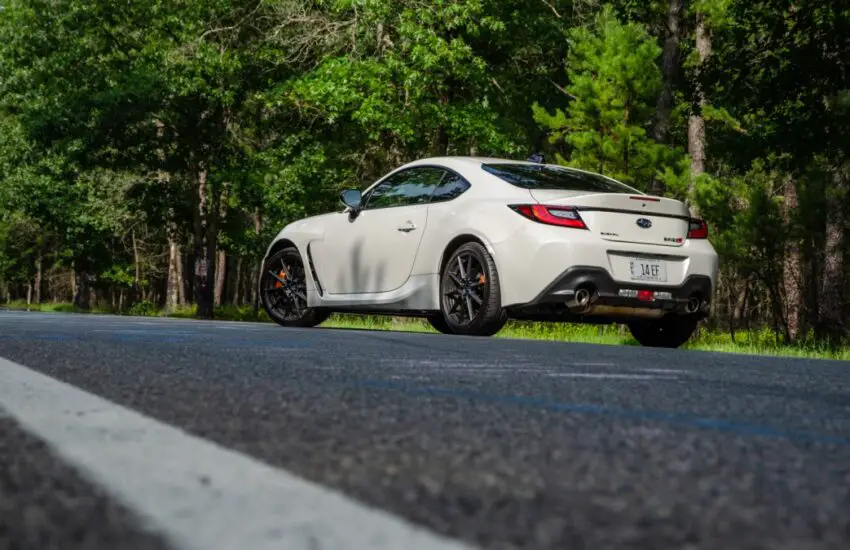
The Unexpected Decline of Driver-Focused Cars
Subaru’s iconic BRZ and WRX models are experiencing a dramatic sales collapse in current markets. While the electric vehicle sector faces its own challenges following tax credit eliminations, this anti-electrification trend doesn’t explain the startling downturn for these two enthusiast vehicles. Neither the BRZ nor WRX offers hybrid or electric powertrains, positioning them as authentic, traditional sports cars designed specifically for driving purists. Yet market data reveals a troubling pattern: enthusiasts appear to be abandoning these once-beloved models.
Analyzing the Market Shift
The sales plunge raises significant questions about the future of traditional sports cars in an evolving automotive landscape. Several factors may contribute to this decline, including changing consumer preferences, economic pressures, and shifting priorities among driving enthusiasts. The automotive industry’s rapid transition toward electrification has created a challenging environment for gasoline-powered performance vehicles, even those without direct electric competitors.
Changing Enthusiast Demographics
Younger generations of car enthusiasts demonstrate different purchasing behaviors than previous generations. Urbanization patterns, environmental concerns, and alternative transportation options have transformed how people engage with performance vehicles. The traditional sports car market must adapt to these demographic shifts to remain relevant.
Economic Considerations
Rising vehicle costs and economic uncertainty have made specialized sports cars less accessible to many potential buyers. As daily transportation becomes more expensive, discretionary purchases like dedicated sports cars often face budget constraints. The specialized nature of these vehicles also presents practical limitations for buyers seeking versatile transportation solutions.
The Future of Driving Passion
This sales decline doesn’t necessarily signal the end of enthusiast vehicles, but rather indicates a market in transition. Manufacturers must reconsider how to deliver engaging driving experiences while addressing contemporary consumer needs. The challenge lies in preserving the visceral connection between driver and machine that defines sports cars while adapting to evolving market realities.