
Listening to Customer Feedback
For decades, automotive interior redesigns have followed a singular mantra: “When in doubt, create more space.” While buyers benefited from flatter rear floors and the modern trend of eliminating intrusive controls and oversized buttons, this approach eventually reached a point of diminishing returns. The industry’s relentless pursuit of minimalism often came at the expense of functionality and driver satisfaction.
The Battle Against Physical Controls
Automakers waged war against traditional switches, replacing them with sleek touchscreens and voice commands. This shift created a new set of challenges for drivers who missed the tactile feedback and immediate response of physical buttons. The Outback’s previous generation faced criticism for its overreliance on touch-sensitive controls that proved distracting while driving.
Subaru’s Thoughtful Response
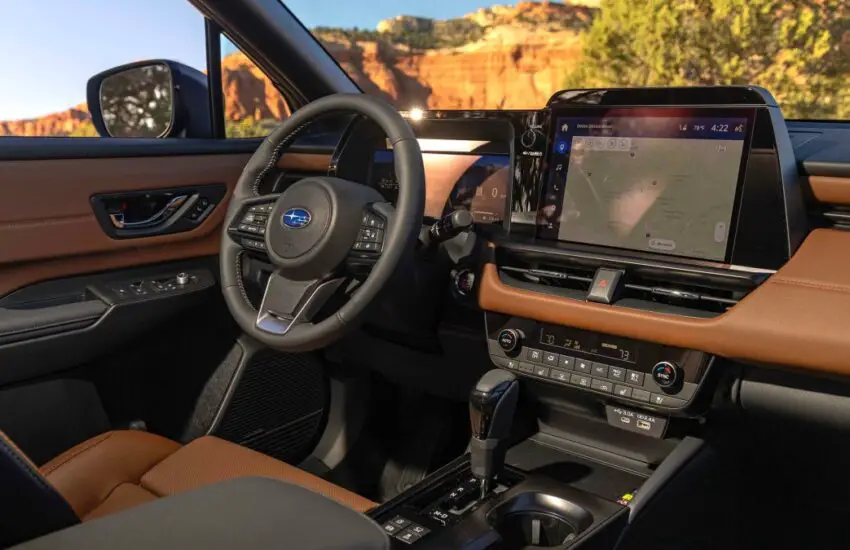
Subaru engineers carefully analyzed customer complaints and conducted extensive usability testing. The new Outback dashboard represents a thoughtful compromise between modern aesthetics and practical functionality. Critical climate controls have returned as physical dials, while frequently used features like defrosters get dedicated buttons. The infotainment system maintains its large screen but now responds more quickly to inputs.
Enhanced Driver Focus
By returning essential controls to physical interfaces, Subaru reduces driver distraction significantly. The revised layout allows motorists to adjust temperature or fan speed without taking their eyes off the road. This philosophy aligns perfectly with Subaru’s longstanding commitment to safety and demonstrates how listening to genuine user experience can lead to meaningful improvements.
Balancing Tradition and Innovation
The updated Outback interior doesn’t reject technology but rather integrates it more intelligently. The system preserves advanced features through the touchscreen while ensuring that daily driving functions remain immediately accessible. This balanced approach shows that automotive interiors can evolve without sacrificing usability, setting a new standard for the industry.