
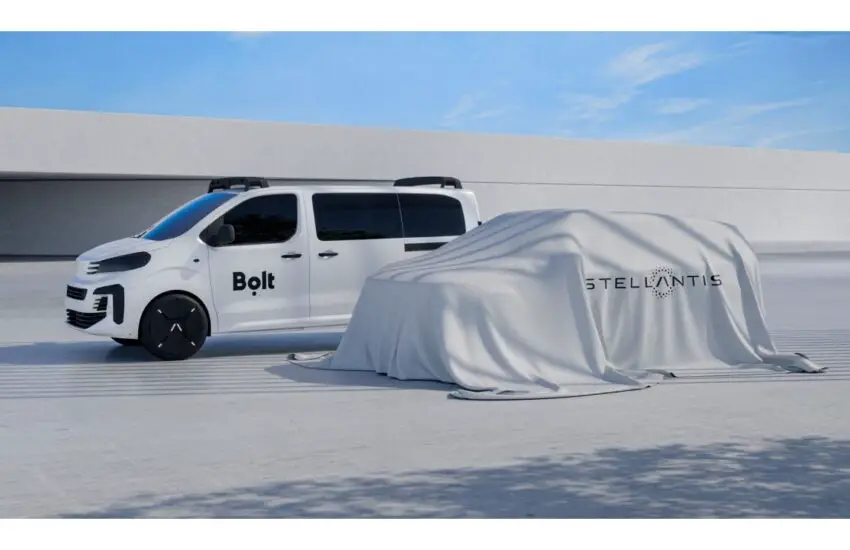
A Strategic Move for Self-Driving Mobility
The automotive landscape is shifting towards an autonomous future, and a major new partnership is set to accelerate this transition in Europe. Stellantis, the global automotive manufacturing giant behind brands like Peugeot, Fiat, and Citroën, has joined forces with Bolt, the prominent European mobility platform. This collaboration is strategically designed to develop and deploy Level 4 autonomous vehicle technology across the continent, marking a pivotal step in redefining urban transportation.
Combining Manufacturing Power with Digital Mobility
This alliance brings together complementary strengths from two industry leaders. Stellantis contributes its deep expertise in vehicle design, engineering, and large-scale manufacturing. Bolt adds its vast network and proven platform for on-demand mobility services, which includes ride-hailing and scooter rentals used by millions of customers. By integrating Stellantis’s next-generation autonomous vehicle platforms with Bolt’s extensive digital ecosystem, the partnership aims to create a seamless and scalable service model for self-driving transport.
The Road to Level 4 Autonomy
The core objective is the deployment of Level 4 autonomous vehicles, as defined by the SAE International standards. At this level, the vehicle is capable of performing all driving tasks under specific geographic and environmental conditions without human intervention. This technology promises to enhance road safety, increase accessibility, and optimize the efficiency of shared mobility networks. The European market, with its diverse urban environments and regulatory frameworks, presents a significant testing ground and target for this ambitious rollout.
Implications for Urban Mobility
The partnership signals a profound evolution in how people and goods may move within cities. The integration of autonomous vehicles into a widely-used app like Bolt could make self-driving technology a practical, on-demand service for everyday commuters. This initiative has the potential to reduce urban congestion, lower transportation costs, and contribute to sustainability goals by facilitating more efficient vehicle utilization. As this collaboration progresses, it will be closely watched as a bellwether for the future of smart, automated urban transit in Europe.