
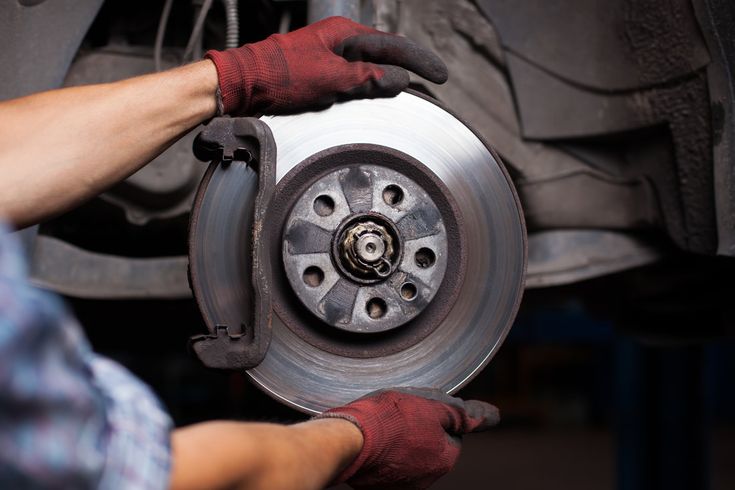
If you hear a high-pitched braking noise only when reversing, it’s natural to question the condition of your braking system. While brake wear is often suspected, several other causes can explain this squealing. In this article, we explain in detail the possible reasons for this phenomenon and how to remedy it to ensure your safety on the road.
1. Why Do Brakes Squeal in Reverse?
Your car’s brakes are essential for your safety, and an abnormal noise should always be taken seriously. Here are the main causes to consider:
1.1 Rear Brakes and Contact with the Rotor
- Caliper Position and Wear Indicator:
On some cars equipped with four-wheel disc brakes, the tension on the spring-loaded steel wear indicator is sufficient when moving forward to prevent squealing. In reverse, this contact changes and the noise may appear, which is often a design feature rather than a defect.
1.2 Damaged or Improperly Installed Brake Pads
- Missing or Defective Pad:
Incorrect installation or worn pads can cause squealing. Therefore, it’s essential to check the proper fixation and condition of the pads during replacement.
1.3 Wear Indicator Bar in Contact
- Rubbing on the Rotor:
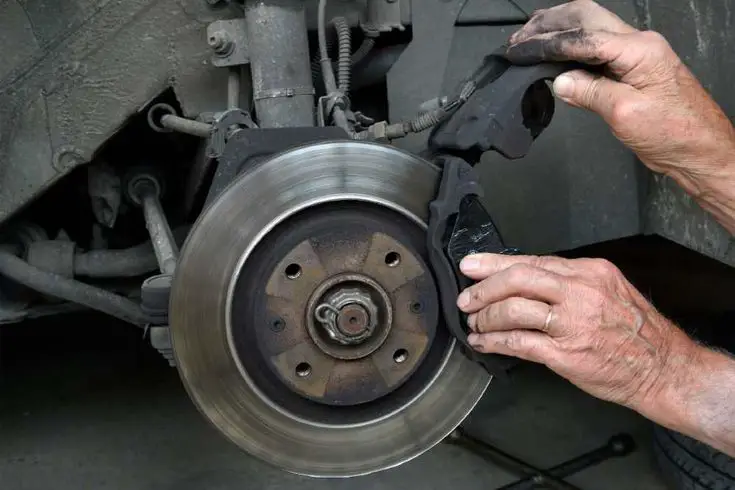
The indicator bar, located at the end of the pads, can rub against the brake disc, especially when the vehicle changes direction. This noise is a signal to consider replacing the pads.
1.4 Issues Related to Friction Surfaces
- Foreign Objects or Disc Wear:
A piece of metal or a stone stuck between the pad and the rotor can be the source of the squealing. Regular cleaning of the friction surfaces is recommended.
1.5 Lack of Lubrication
- Absence of Grease on the Pads:
The back of the brake pads should be greased to prevent metal friction. Ensure to apply a moderate amount of anti-seize grease during installation.
1.6 Faulty Brake Pad Sensor
- Wear Signal:
A damaged sensor can produce a high-pitched noise to warn that the pads need to be replaced. A faulty sensor can also damage the rotor if not replaced quickly.
1.7 Uneven Brake Disc Wear
- Poor Contact:
A disc worn unevenly can cause squealing, both when moving forward and in reverse. Check and adjust the disc to ensure even contact with the pads.
1.8 Other Potential Causes
- Steering System and Belts:
Sometimes, the squealing can come from the steering system, especially during full lock of the steering wheel in reverse. Twisted belts or a malfunctioning power steering pump can also be the cause.
2. How to Stop Your Brakes from Squeaking?
Depending on the identified cause, several solutions can be considered:
2.1 Cleaning the Braking System
- Deep Cleaning:
Use a specific brake cleaner and a wire brush to clean rotors, calipers, and brackets. Make sure to avoid using abrasive products on rubber parts.
2.2 Checking and Replacing Faulty Parts
- Replacing Pads and Tightening:
If the pads are worn or poorly fixed, replace them or tighten them. Regular maintenance helps prevent further damage. - Sensor Intervention:
Immediately replace a faulty sensor to avoid damaging the rotor and ensure effective braking.
2.3 Proper Lubrication
- Application of Anti-Seize Grease:
Apply a thin layer of grease to the back of the pads during installation. Be careful not to use too much to avoid clogging.
2.4 Use of High-Quality Friction Materials
- Ceramic or High-End Metal Pads:
To reduce noise and improve the longevity of the braking system, opt for ceramic or high-quality metal pads. These materials better withstand high temperatures and offer optimal noise control.
2.5 Regular Brake System Maintenance
- Periodic Inspection:
Have your braking system checked regularly to detect any anomalies before they become dangerous. Also consider applying anti-seize on the bolts when reassembling the wheels to facilitate future interventions.
Conclusion
An unusual noise when reversing, whether it’s squealing from the brakes or the steering system, is always a warning signal. It indicates that your braking system needs to be inspected and maintained to ensure your safety and that of other road users.
By following the proposed solutions – from cleaning and lubrication to using high-quality brake pads – you can limit these annoying noises and maintain optimal performance.
Take care of your vehicle and don’t hesitate to consult a professional if the problem persists. Your safety comes first!