

Brakes are one of the most important parts of a vehicle, and it goes without saying that their functionality is crucial and critical.
That’s why you need to pay close attention when your vehicle is trying to tell you that something is wrong. Grinding, squealing, or scraping noises when braking are the most common warning signs that your brakes are acting up.
While most noises indicate that it’s time to change your brake pads, what do you do if you hear a grinding noise when braking but the pads are fine?
We will detail some of the common reasons why your brakes might be grinding, even if your pads still have plenty of life left.
Start by Taking a Look
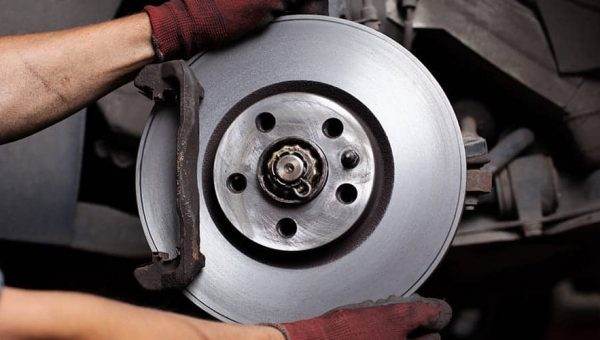
Braking systems are surprisingly simple. If you hear grinding noises when you brake, remove the wheels and calipers and see what you’re dealing with.
That’s exactly what the mechanic will do to figure out what’s going on. The only difference is that they will charge you a premium to do it.
Poor Quality Brake Pads
If you recently replaced your brakes and you’re still hearing a grinding or squealing noise, there’s a good chance you have poor quality brake pads. And when you use cheap brake pads, there are more significant potential problems to worry about than just a bit of noise.
Cheap pads wear out much faster and provide less braking force than their higher-quality counterparts. If you don’t know what brake pads the mechanic used on your vehicle, you can always ask. However, there’s really not much you can do if they don’t tell you what they used or if you don’t remember what you installed.
To find out if cheap brake pads are causing the concerning noise, you need to rule out every other possible cause. It’s not rocket science or anything, but it’s just one of the many reasons why you should spend the little extra money and get high-quality brake pads whenever you need to replace them.
Faulty Shims
Behind every brake pad is a shim. Whenever you replace the pad, you should also replace the shim. The shim is where the brake caliper piston pushes against the pad. If the shim is old or extremely rusty, you might hear noise every time you press the brakes.
More importantly, it could wear out completely, which would lead to the piston pushing directly against the brake pad. Your brake pads can’t handle that, and they can wear out and fail prematurely.
Faulty Self-Adjusting Mechanism
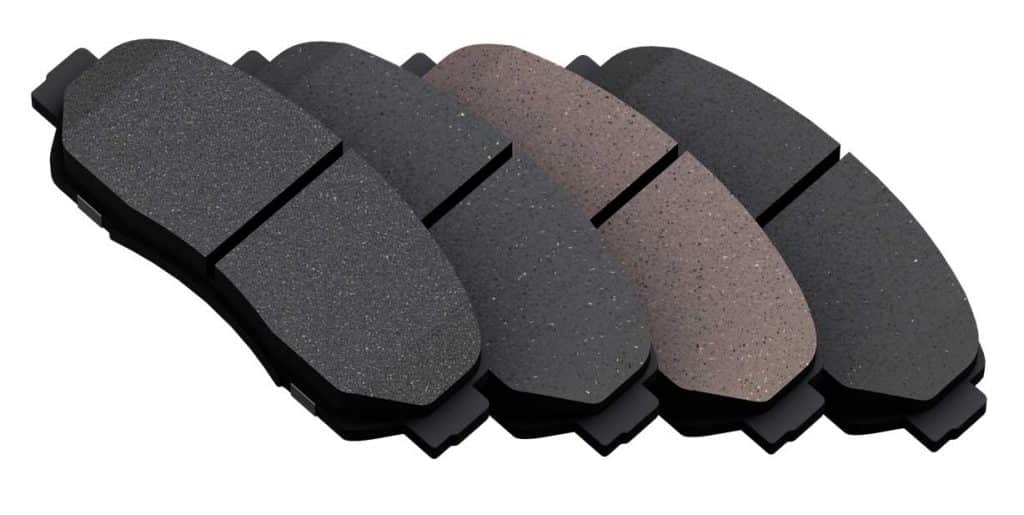
On each brake pad, there is a self-adjusting mechanism that pushes the brake pads against the rotors. If this mechanism is faulty or rubbing against the rotors when it shouldn’t be, the result can be a grinding noise every time you press the brakes.
To make matters worse, it will prevent your brake pads from maintaining their proper distance from the rotors, which can eventually lead to inconsistent braking, which is a significant safety issue.
Poorly Mated Brakes and Rotors
Whenever you replace the brake pads, it is essential to replace the rotors or have them resurfaced. Not doing so can result in poorly mated pads and rotors, meaning they grind and squeal every time you press the brakes. More importantly, it means you will get less-than-ideal braking, which could lead to an accident.
Even if you have brand new rotors and pads, you need to ensure they mate correctly after installing them. You will need to get your vehicle up to 20 to 25 miles per hour before applying the brakes quickly and evenly. You should do this at least four to five times whenever you install new brake pads to ensure you get a proper mate.
However, if your brakes are already grinding and squealing, it’s too late. Once your brake pads have mated, you cannot reverse or fix the process. Worse than the grinding or squealing, your brakes could end up glazing over. If that happens, you won’t get the necessary braking force to stop effectively.
Debris Stuck in the Brakes
When you’re driving down the road, all sorts of things can get stuck in the rotors. Sometimes, a few pieces of this debris can get stuck by the pads or between the backing plate and the rotor. The easiest way to check is to remove the wheel and brakes and inspect for any potential debris.
Sometimes, all you have to do to fix the problem is remove the calipers and reinstall them!
Worn Brake Rotors
People most often replace their brake pads to save a few dollars. As a result, the rotors themselves can be worn out even if the pads are still in good condition. Often, old rotors start to rust, which can lead to excessive noise when you brake.
Even if the rotors are resurfaced every time you replace the pads, you can still run into problems. That’s because rotors have a minimum thickness, and every time you have the rotors resurfaced, you cut into that thickness.
Combined with the fact that rotors wear out every time you press the brakes, and it’s no surprise that you need to replace them from time to time!
Rusted Pads or Rotors
If you haven’t driven your vehicle very often, the pads or rotors can start to rust. While this might seem like a major concern, the rust can be quickly worn off by driving the vehicle.
While a bit of surface rust on the pads and rotors isn’t a big deal, excessive rust can be a significant problem. Furthermore, even with surface rust, you’ll need to be a bit more careful until it’s cleaned off. Once the confidence is gone and you can see the rotors clearly again, you should be good to go – and the noise should be gone too.
Loose or Rusted Caliper Bolts

Typical vehicles have all the braking components held on by four bolts. If any of the bolts come out or aren’t tight enough, the entire brake will move when you press the brakes.
Not only will you be able to feel it when you press the pedal, but you’ll also hear it. If you think you have loose or rusted caliper bolts, you need to address this issue immediately. Not doing so can lead to a much more serious problem, such as the entire caliper shifting or falling off.
Faulty Wheel Bearings
Wheel bearings do a lot for your vehicle. They ensure the proper functioning of the wheel’s internal operation, allowing you to roll down the road without any worries. But if you don’t properly tighten the locknut that holds your wheel bearing, the wheel bearing can start to back out.
Furthermore, if the wheel bearing isn’t properly lubricated, it can start to break down. Either option will lead to excessive play in the wheel. While this can manifest in various ways, one of the most common things drivers will experience is hearing a grinding noise.
This noise can become much louder when you press the brakes, as everything changes when you apply more torque to the wheels.
Rubbing Backing Plate
Behind each brake rotor, there is a backing plate. This plate helps protect your rotors and brakes from debris on the road. But every once in a while, something large enough can come up and hit the backing plate, causing it to bend.
If it ends up bending, it can rub against the rotors and cause a loud grinding or scraping noise when you’re driving. When this happens, all you have to do to fix the problem is gently bend the backing plate back into place.
Don’t Rule Out the Rotors.
We know you’ve already checked them, but have you checked all of them? Just because one set of brake pads is fine doesn’t mean they all are. Ideally, you should check all four sets of brake pads before moving on and trying to diagnose a deeper problem.
Worn brake pads are the leading cause of grinding and squealing noises when braking, and it’s not even close. Don’t rule them out until you’re 100% sure that all four sets have plenty of life left on them.
Summary
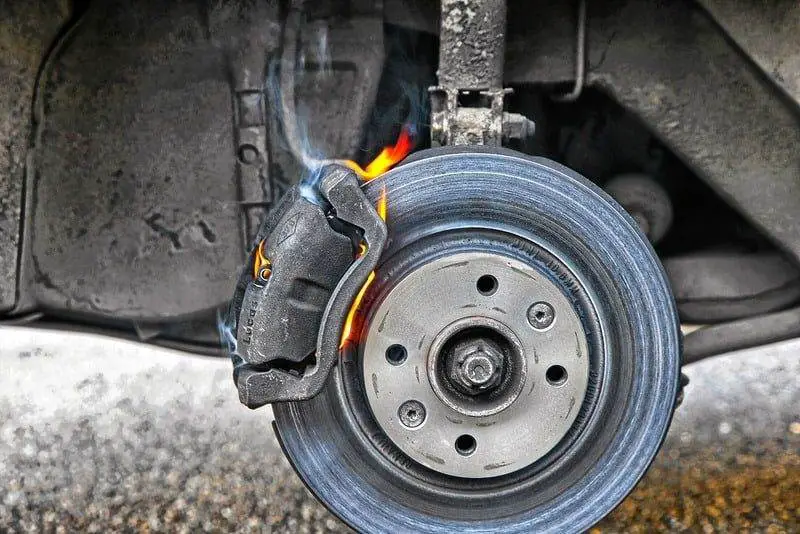
When it comes to your brakes, it’s not an item you can ignore. You need to take every warning sign seriously. While the most common problem you’ll encounter is worn brake pads, you need to know what to do if that’s not the issue.
Knowing what to do can save you a ton of money instead of taking it to a mechanic, but if you can’t figure it out, you need to have it looked at by a professional.
While it might cost a bit more money than you want to spend right now, not getting repairs done quickly can cost you even more!