
Breathing New Life into Unwanted Electric Cars
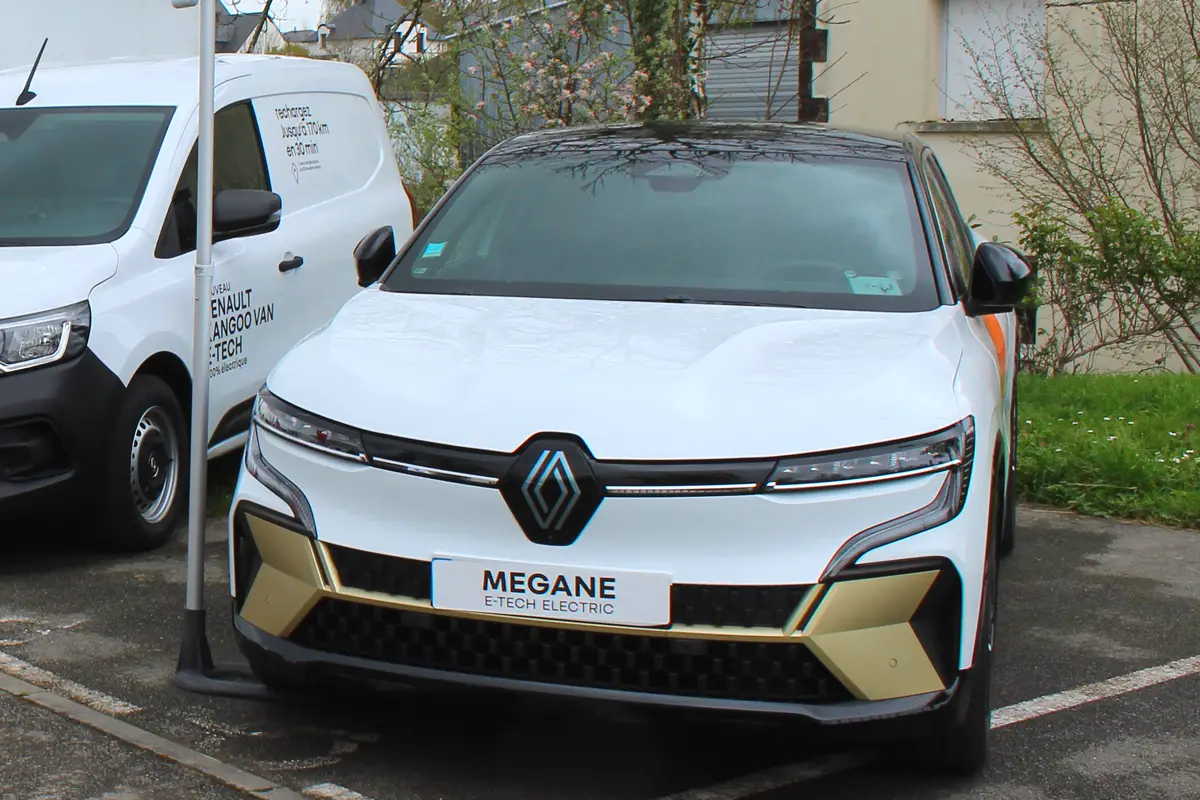
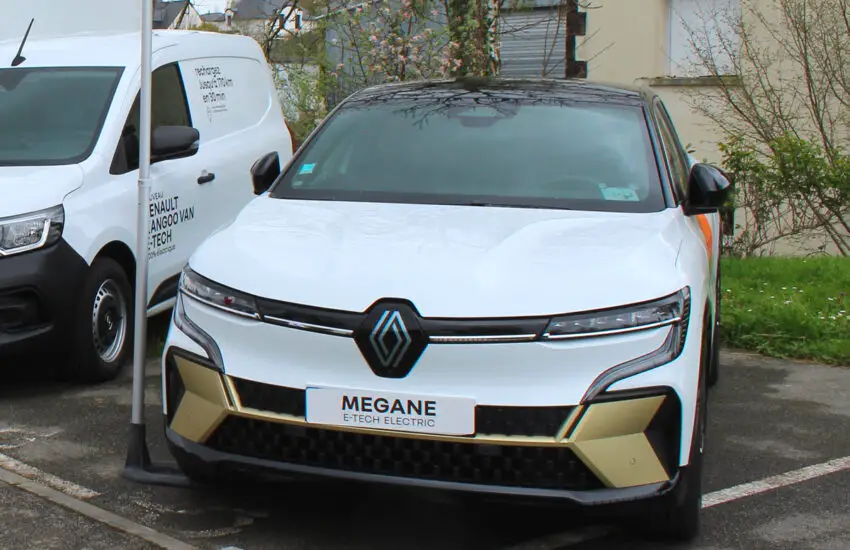
The vision of an affordable electric vehicle for 100 euros per month, once a political promise, could be revitalized through an innovative approach. One promising avenue involves integrating used electric vehicles into social leasing programs, specifically those models that manufacturers are reluctant to buy back.
The Challenge of Electric Vehicle Residual Values
A significant barrier in the electric vehicle (EV) market is the uncertainty surrounding the long-term value of batteries. This anxiety leads many manufacturers to offer limited or unattractive buy-back guarantees for their first-generation EVs. Consequently, these cars often face steep depreciation, creating a stock of functional, eco-friendly vehicles with uncertain resale futures. This situation presents both an environmental dilemma and a missed opportunity for affordable mobility.
Social Leasing as a Strategic Pathway
State-subsidized social leasing programs, designed to make clean transportation accessible to low-income households, could provide the perfect outlet for these vehicles. By purchasing these “unwanted” used EVs at a fair market price, leasing operators could secure inventory at a lower cost. This model would stabilize the secondary EV market by creating guaranteed demand, while directly furthering social and environmental goals. It transforms a liability for manufacturers into a valuable asset for public policy.
Benefits for Consumers and the Circular Economy
For eligible families, this model could dramatically reduce the monthly cost of electric mobility, potentially making the symbolic 100-euro-per-month lease a reality. It offers access to reliable, zero-emission transportation without the high upfront cost of a new EV. On a broader scale, this strategy promotes a circular economy, maximizing the usable lifespan of electric vehicles and their components. It ensures these cars deliver their full environmental benefit before eventual recycling, making electric mobility more sustainable and inclusive from production to end-of-life.