
The Gimmick Dividing Electric Car Drivers
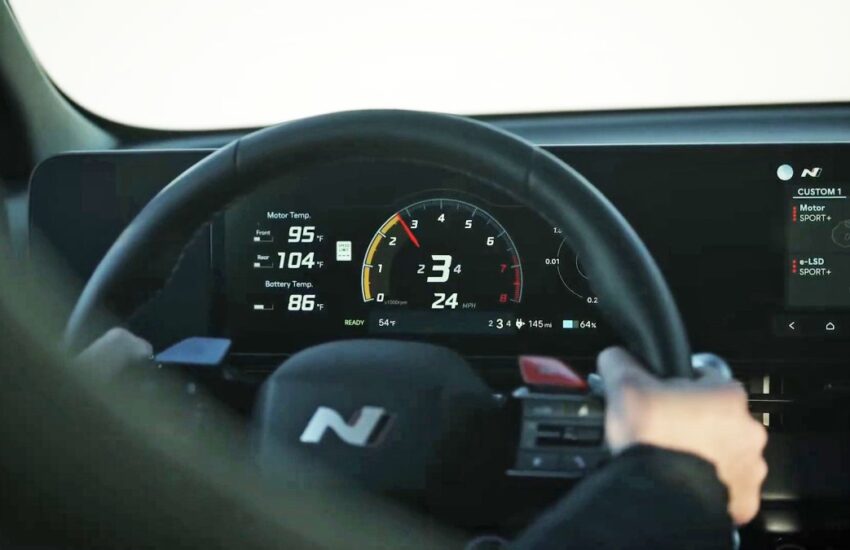
The driving experience of an electric vehicle is defined by seamless, instantaneous power delivery. This inherent smoothness is now being deliberately interrupted by a new feature: simulated gear shifts. Automakers like Genesis, Porsche, and Hyundai are implementing artificial shift points and engine sound effects in their performance EVs, sparking a heated debate among enthusiasts and everyday drivers alike.
Manufacturers’ Rationale for Artificial Shifts
Proponents argue that these simulations cater to drivers transitioning from internal combustion engine (ICE) cars. The familiar sensation of a gear change and accompanying audio cues are intended to provide a comforting bridge to EV technology. For performance models, engineers suggest simulated shifts can create a more engaging and dynamic driving feel, adding a layer of theatricality that some find missing in a silent, linear powertrain. It is marketed as a customizable feature, allowing the driver to choose between pure silence and a more traditional experience.
Why Many Drivers Find Them Frustrating
For a significant number of EV adopters, these simulations fundamentally miss the point. Critics view them as an unnecessary gimmick that undermines the core advantages of electric propulsion. The artificial pauses in power delivery can feel jarring and counterproductive, especially when compared to the relentless thrust of a true single-speed EV. Many drivers purchased an electric car precisely to escape the vibrations, noise, and complexity of gears, making the addition of simulated versions seem like a paradoxical step backward.
The Search for Authentic EV Engagement
The controversy highlights a broader challenge for automakers: how to create an engaging driver experience without relying on legacy ICE sensations. Instead of mimicking the past, some argue the focus should be on amplifying unique EV traits. This could mean enhancing feedback through the steering wheel, developing advanced regenerative braking systems, or using sound design that complements rather than imitates. The ultimate goal is to forge a new, authentic identity for performance electric driving that stands on its own merits.