

Cadillac F1 confirms Simon Pagenaud, Indy 500 and IndyCar champion, as simulation driver. “It takes a village,” the saying goes. Building a new racing team, and especially a new Formula 1 team, requires finding the right talents and assigning them to the right roles, which is just the tip of the iceberg. Aware of this, the Cadillac F1 team is entrusting one of the most talented signings on the current market with the heavy responsibility of developing its future F1 single-seater: Simon Pagenaud.
The Indianapolis 500 winner, IndyCar series champion, and experienced endurance driver brings a wealth of experience to this role, where he is responsible for shaping the initial performance phases of the F1 car. In fact, he has already been working on it for a year, long before the team made headlines or confirmed Sergio Perez and Valtteri Bottas as their race drivers.
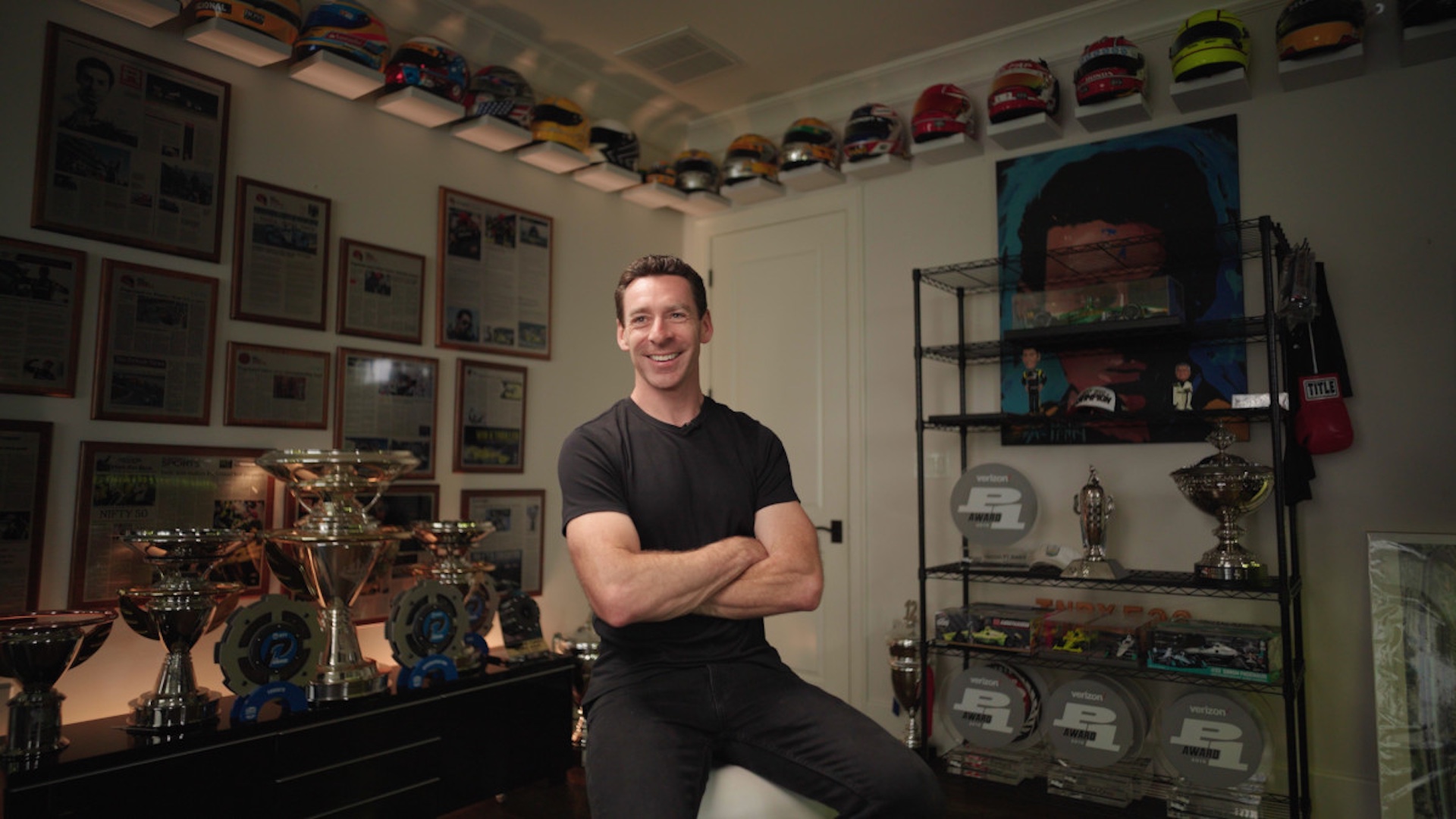
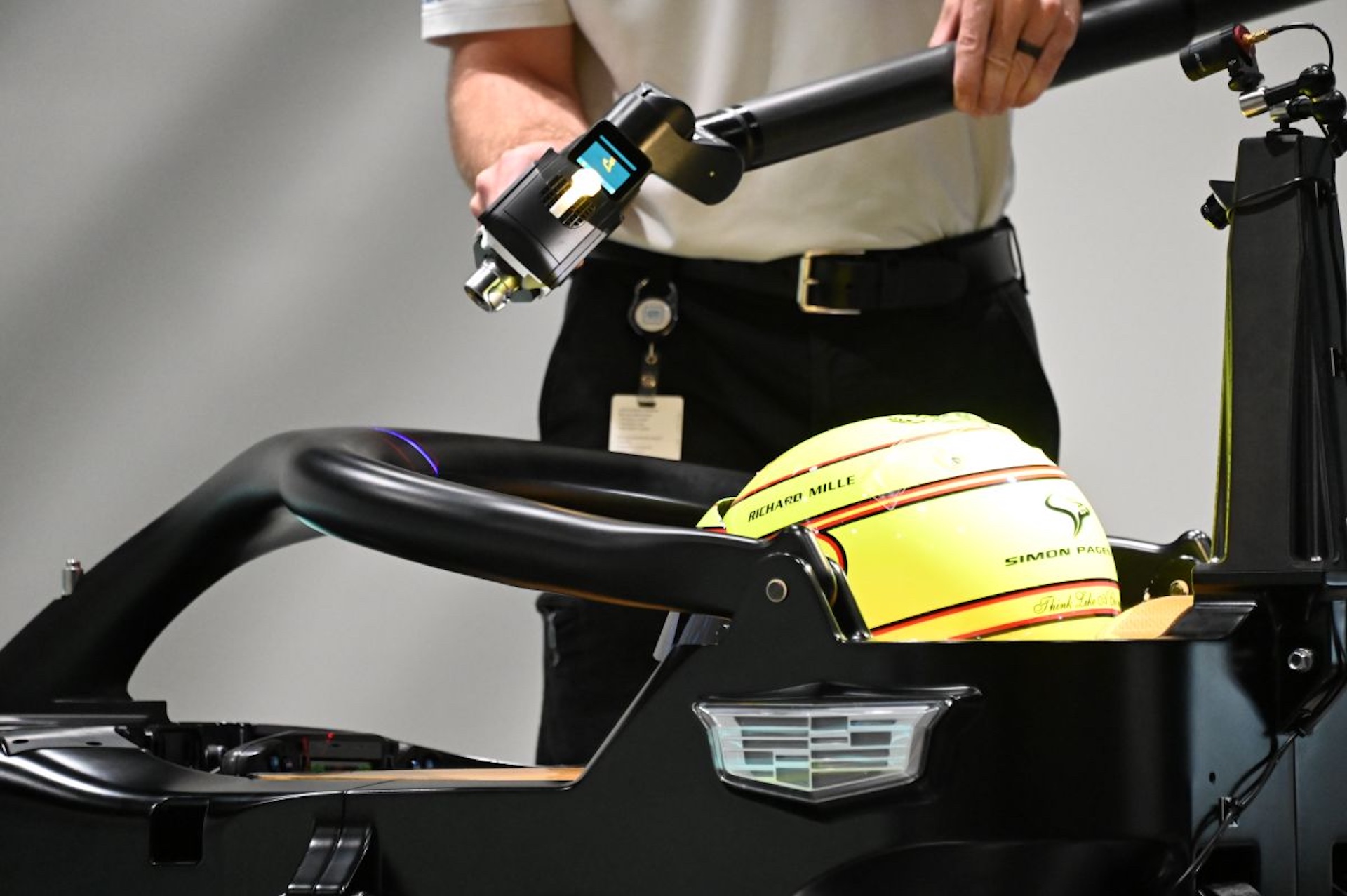
Pagenaud, unfortunately involved in a serious accident at Mid-Ohio during the 2023 IndyCar season, had to step away from full-time competition after being diagnosed with a severe concussion. The popular French driver began a long recovery process. It is extremely encouraging to see him back behind a wheel, even if it’s on a digital track for now.
“Optimizing the technical side of a car and managing relationships with the people at the factory has always been my passion since I started racing,” said Pagenaud. “I love talking with engineers, developing the simulator, and making it as realistic as possible. This work gives me a sense of purpose and allows me to contribute my expertise, something I’ve missed since my accident.”
“My role and goal are to make the simulator as close to reality as possible and to lay the foundations for the car,” he added. “I want to help Cadillac project as accurately as possible towards reality.”

As has been the case for decades, and especially during the current hybrid era of F1, simulator work is vital for racing teams. This is how engineers and drivers explore new setups and components without going through the long and costly process of developing real parts and track testing. Sometimes, it’s not even an option, given the strict budget caps and minimal testing allowances. Ironically, in 2022, when I visited Honda’s multi-million dollar simulator used for IndyCar and IMSA, it was Pagenaud who explained the process of developing a virtual race car to me.
Pagenaud’s deep expertise in team dynamics, development, setups, and, of course, pushing a car to its limits, will undoubtedly benefit Cadillac, which has its work cut out before its first F1 race in just five months.