
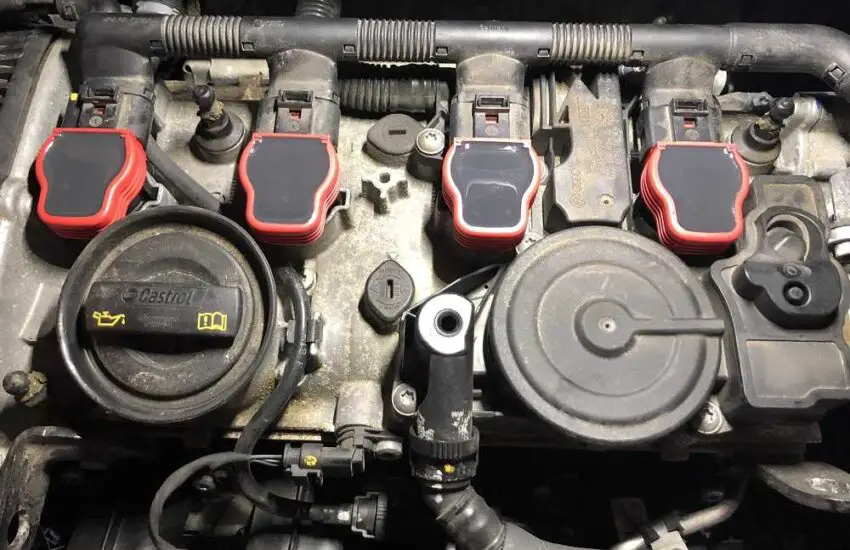
Car ignition coil packs are electronically controlled components used to create sparks for spark plugs. They can malfunction for various reasons, causing a loss of spark in one or more engine cylinders. Should I replace all ignition coils at the same time? — a question many car owners ask themselves.
Replacing distributors, coil packs are a new addition to modern vehicles. Due to the absence of moving parts and a lower risk of catching fire, car ignition coil packs are more reliable than distributors.
They are in every way more efficient than their predecessors by creating more powerful sparks for cleaner combustion.
How does a coil pack work?
A coil pack accumulates the energy needed to create a powerful spark at the spark plug. The fire intended to create a spark must be generated from a high-voltage source to ensure the maximum amount of fuel is burned inside the engine cylinder.
By accumulating about 50,000 to 75,000 volts, a coil pack works much better than a distributor. It releases the spark plug voltage after receiving a signal from the ignition control.
After reaching the spark plug, a spark jumps to ground, triggering an explosion of the air-fuel mixture in the cylinder.

Symptoms of a bad coil pack
When to replace coil packs? When they start to malfunction. Faulty coils mean a loss of fire or spark in the affected cylinder, leading to engine misfires.
If you’re wondering when to change coil packs, do so whenever these symptoms appear. Common signs are almost similar to those of a faulty spark plug:
- Loud engine noise
- Poor engine performance
- Crankshaft drag
- RPM drop during acceleration
- Vehicle rough idle
- Intermittent exhaust emission
- Sporadic check engine light activation
- Gas warning light comes on (even if fuel level is not low)
Should I replace all ignition coils at the same time?
It’s a valid question since many experts suggest replacing automotive parts in pairs. However, you don’t have to follow this rule for car ignition coils because they don’t come in pairs.
An engine cylinder has one ignition coil, so the condition of one pack does not affect the others.
Can I replace just one ignition coil? Yes, you can. However, you should always keep the following recommendations in mind to decide whether to change one or all.
Replace only the bad ones
Should I replace all ignition coils at the same time? No. A coil pack is intended for two engine cylinders, and you should only change the specific pack that is faulty.
There is no chance that a faulty coil pack will affect the others. Moreover, coil packs either work or they don’t; there’s nothing in between. If you only change the faulty one, there’s less chance that others will follow suit.
In fact, it would be a mistake to replace coil packs that are still in good condition and working without issues. Older functioning coil packs are better and more reliable than new unproven coil packs.

Change all after reaching a certain mileage
Coil packs are reliable and will likely last the lifetime of a vehicle. If one goes bad, there’s no need to change them all. However, if a pack starts to malfunction after the odometer has reached about 75,000 miles, you should replace them all.
How often should coil packs be changed? There’s no need to change them as long as they show no symptoms. Most of the time, they require no maintenance before reaching 120,000 to 150,000 miles.
Replace all if access is difficult
Some repair shops may suggest changing all coil packs when one of them becomes faulty. In this case, ask the mechanics for the reasons for changing each one. Follow their advice if it makes sense to you.
If you can’t afford to replace them all, at least change those that are in a cluster or are hard to access. For example, a few coil packs may be located under the air intake plenum, at the back of the engine.
The repair shop may charge higher labor prices to remove these coil packs. In this case, you should change them all if there’s one that’s bad to save on mechanic fees.
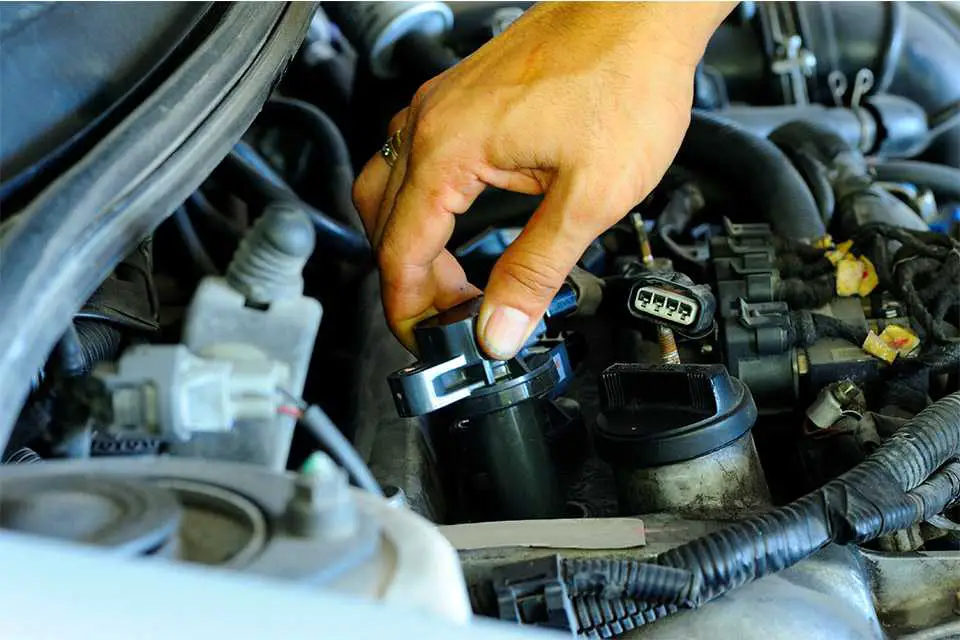
However, coil packs are easily accessible in most vehicles. Sometimes, you’ll find them placed under just a cover that can be quickly removed.
If you can see them, it won’t take more than a few minutes to remove them. In this case, you can change only the faulty one.
FAQ on replacing ignition coils
Do ignition coils have a specific lifespan?
Ignition coils have a limited lifespan, typically between 100,000 and 150,000 miles. However, this can vary depending on driving conditions and maintenance.
Can I replace only the faulty ignition coil?
While it’s possible to replace only the faulty coil, it’s recommended to replace all coils if they are approaching the end of their lifespan. This helps avoid repeated failures and ensures balanced performance.
Does replacing all ignition coils improve engine performance?
Replacing all ignition coils can improve engine performance by providing consistent spark and ignition across all cylinders, leading to smoother operation and better fuel efficiency.
Will the cost of replacing ignition coils be high?
Replacing all ignition coils at the same time may result in a higher initial cost, but it can save money in the long run by avoiding multiple separate repair jobs.
Can I mix different brands of ignition coils in my vehicle?
It is generally not recommended to mix different brands of ignition coils, as they may have varying electrical characteristics and lead to performance imbalance.
Should I opt for OEM (Original Equipment Manufacturer) ignition coils or aftermarket coils?
OEM ignition coils are manufactured by the vehicle’s original manufacturer and are designed to meet specific performance standards. While aftermarket coils may be cheaper, OEM coils often offer better reliability and compatibility.
Is it necessary to replace ignition coils based solely on mileage?
While mileage is a factor, other indicators such as performance issues and the age of the coils should also be considered. Ignition coils in high-performance vehicles or under harsh driving conditions may require earlier replacement.
Can faulty ignition coils damage other engine components?
Yes, damage can occur to both the coil pack, spark plugs, catalytic converter, and oxygen sensors. Replacing them promptly can help avoid further damage and costly repairs.
Can I replace ignition coils myself or should I seek professional help?
While some experienced DIYers can replace ignition coils, it’s recommended to seek professional help for accurate diagnosis and proper installation to avoid potential complications.
Watch this video by EasyAutoFix to learn how to diagnose when to replace your ignition coils and how long ignition coils last!
Final words
Should I replace all ignition coils at the same time? Not necessarily, unless the faulty one is part of a cluster and located in a hard-to-reach place.
Otherwise, there’s virtually no chance that a bad coil pack will affect the condition of the others. You should rely on the proven reliability of the older ignition coils that are still functioning.