
A car thermostat is responsible for preventing your engine from overheating. Unless an engine overheats or fails to reach normal operating temperature after being driven for several kilometers,
the thermostat that regulates the coolant flow is likely working correctly. Thermostats typically last for years—even for the lifespan of a vehicle—so why bother changing it? Should a car thermostat be replaced as part of regular maintenance? Let’s take a closer look.
What Does a Thermostat Do?
Your car’s thermostat is a crucial component that is actually quite simple. It is a valve located in your car’s cooling system. Its job is to regulate the amount of coolant that is recirculated in the engine and the amount that is cooled via the radiator before being recirculated. This ensures that the coolant in your engine stays within a specific temperature range regardless of the outside temperature. The valve is opened and closed with a spring, piston, or other heat-controlled device.
When to Replace Your Thermostat
Because they are so simple, thermostats generally do not fail with age. In fact, if it seems to be working, there is probably no need for a new thermostat. However, if you are having other cooling system maintenance work done, such as replacing coolant hoses and/or the radiator on a vehicle that has been in service for several years, it might be a good idea to replace the thermostat at the same time for peace of mind. This is especially true if the upper hose is removed, as that is where many thermostats are located. If you need to have your radiator or any seals or hoses in your cooling system replaced, you can also ask your mechanic if you should replace your thermostat at the same time.
Aside from this type of preventive maintenance, a thermostat does not need to be replaced unless it fails to open and close when it is supposed to. If it sticks in the closed position, it traps coolant in the engine, causing it to overheat. If it sticks in the open position, coolant will constantly circulate through the engine and radiator, which can prevent the engine from reaching its operating temperature (and efficiency) and reduce the heat output of the air conditioning system.
Among the signs that a thermostat is not working are an engine that overheats or runs hotter than usual, or a cabin heater that does not produce enough warm air. A faulty thermostat can also trigger the check engine light. Because these symptoms can be caused by other issues, the entire cooling system—from major components to small seals—should be inspected by a professional before deciding to replace the thermostat.
If your vehicle has already overheated, you will likely need to get a new thermostat. Overheating can severely damage the valve as well as the thermostat housing and the hoses and seals that are part of your car’s cooling system. Excessive heat can cause them to warp and lose their original shape, such as hoses, seals, and even metal thermostat housings. When this happens, these vital components are no longer able to do their job as they should.
 Do Not Ignore a Damaged Thermostat
 Do Not Ignore a Damaged Thermostat
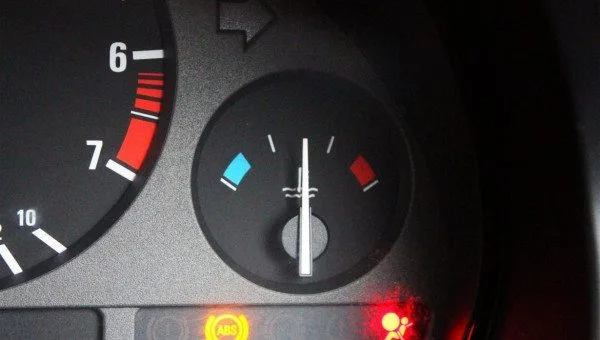
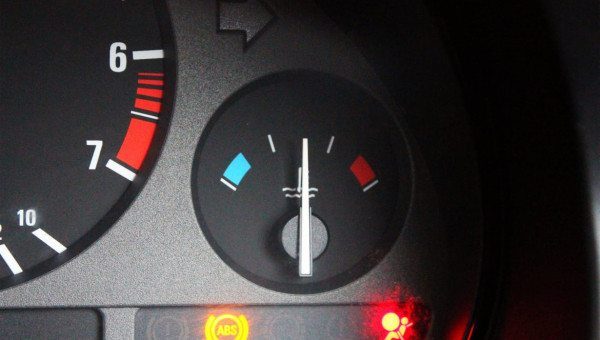
Not getting enough heat inside is mainly a comfort issue, but overheating can severely damage the engine and should not be ignored. Most vehicles have a temperature gauge that gives a constant reading of the cooling system’s temperature, ranging from “C” to “H” or from blue to red. In modern cars, the needle or bar graph will settle at the midpoint, or just one notch toward the cold side, when the engine has reached optimal temperature. Cars with this gauge may also have a warning light when the engine is running hotter than normal.
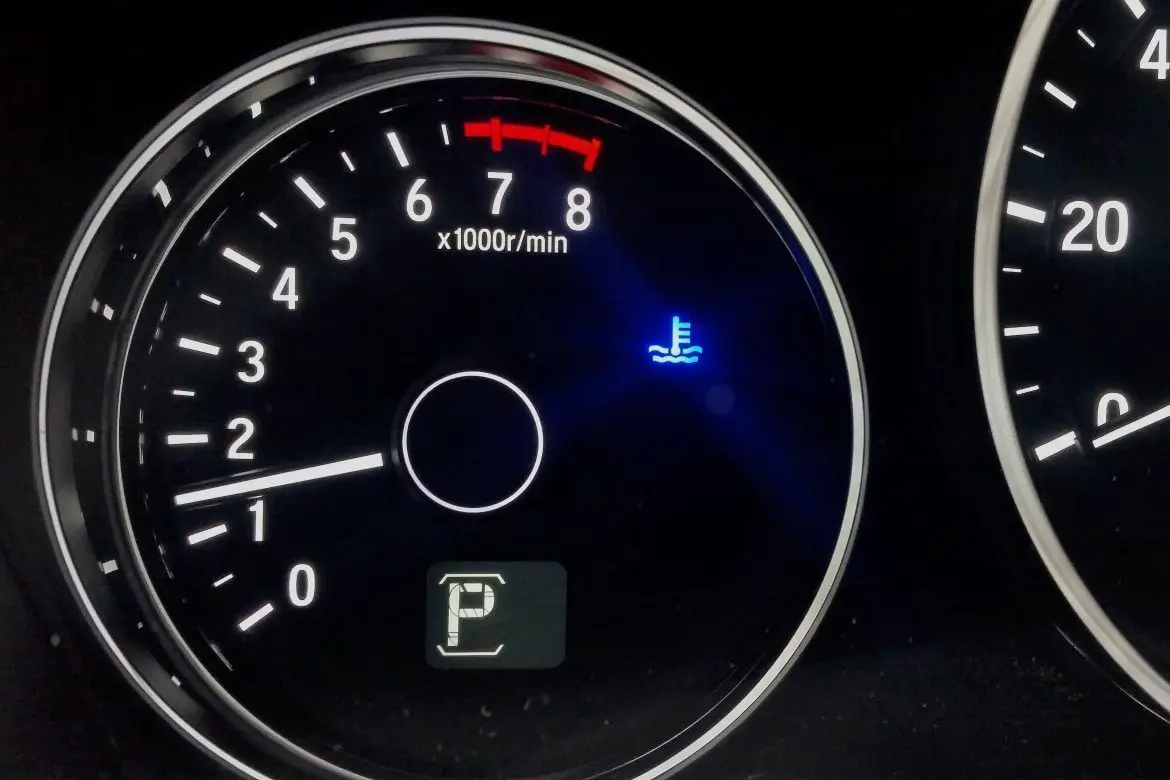
A growing number of cars eliminate the gauge and have a high-temperature warning light, either alone or supplemented by a separate indicator—usually a blue icon of a thermometer sitting in water—that lights up when you start a cold engine and stays on until it reaches the proper operating temperature. If this indicator remains on, it is likely that the thermostat has stuck open.
A gauge can give the driver an early warning that something is wrong, but a warning light may not come on until the engine is so hot that it must be shut down immediately to prevent damage. If your vehicle overheats or you have another reason to think your thermostat is failing, have a professional inspect your entire cooling system, including your radiator, thermostat housing, and all seals and hoses.