

The luxurious exterior of a car is worthless if its engine doesn’t function properly. The engine is the pillar of your car. So, why not choose it wisely? But, when it comes to buying a new engine, a thought might also cross your mind: “should I opt for a long block or a short block engine?” Well, your choice of engine can affect your car’s performance. Therefore, it’s essential to find a fruitful solution by comparing short block and long block engines.
These two engines are different from each other in many ways, and it’s crucial to determine which is best for your car.
What is a Short Block Engine?
A short block engine for a car refers to the short block assembly specifically designed for automotive applications. It includes the engine block, crankshaft, connecting rods, and pistons but does not include cylinder heads, intake and exhaust manifolds, timing components, or other external parts.
The short engine block is the heart of the car’s internal combustion engine. It forms the basis of the engine’s operation by housing the cylinders, pistons, and rotating assembly. The short block assembly is responsible for converting the combustion process into rotational motion, which ultimately powers the car’s wheels.
Short block engines are typically used in situations where an engine needs to be rebuilt or replaced. By reusing the short block assembly, the cost of rebuilding or replacing the engine can be reduced. The engine builder can focus on replacing or upgrading other components, such as cylinder heads, camshaft, and intake system, to meet specific performance requirements or address issues.
What is a Long Block Engine?
The long block engine is called a “long block” because it extends beyond the short block, incorporating more components necessary for the engine’s operation. It is often referred to as a “drop-in” engine because it is designed to be a ready-to-install unit that can replace a worn or damaged engine in a vehicle without requiring significant additional parts.
By including cylinder heads and other external components, the long block engine offers a more complete solution for engine replacement or rebuilding. It simplifies the installation process and ensures that critical components, such as the valvetrain and intake/exhaust systems, are properly matched and aligned for optimal performance.
The long block engine is particularly useful when the existing cylinder heads or other external components are damaged, worn, or need upgrading. By replacing the entire long block, the engine builder can save time and effort by having a complete, compatible unit ready for installation.
Fundamental Difference Between Short Block and Long Block Engines
Let’s see which is best for your car and which engine will meet your requirements, right now!
1. Long Block Engine
This engine is complete in itself. One could also say that this engine is as close to a complete, ready-to-run engine as possible. All the essential components that an ideal engine should have are intact and require less time for installation.
The long block is more powerful than the short block, and negative efforts are needed to assemble the parts. This engine is equipped with the following parts: assembled block, crankshaft, camshaft, valvetrain, and cylinder head as well.
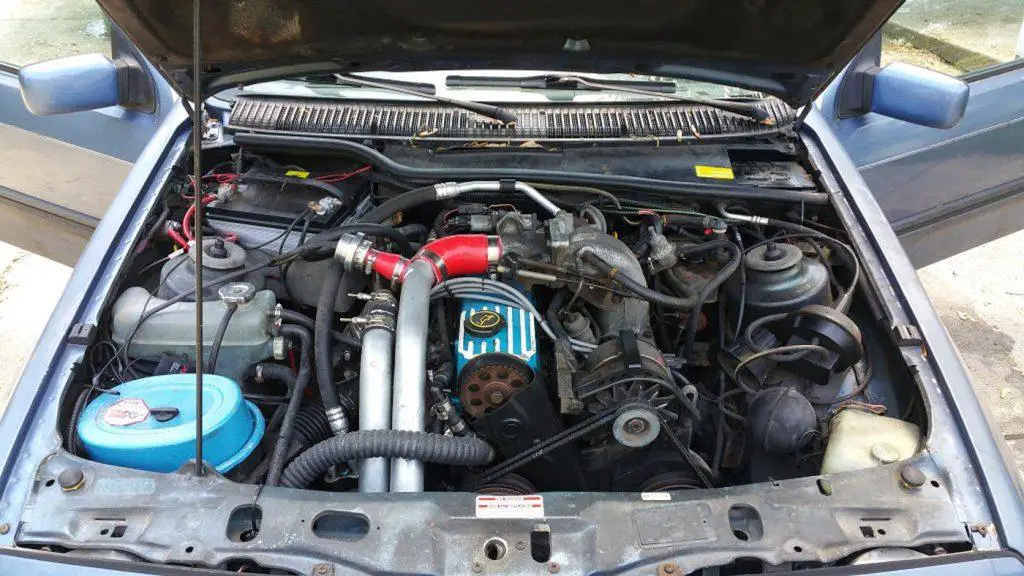
However, it does not include the fuel system, intake, electrical components, and exhaust. Furthermore, the need to replace the long block indicates that the short block and cylinder head have been so damaged that they can no longer be repaired. Typically, the manufacturer offers a complete repair kit where reconditioning repairs are performed.
Moreover, this engine is more expensive than the short model. Also, the engine parts may differ from one supplier to another.
So, if cost is not an issue for you and you want to get the best performance, opting for the long block will be the best option.
2. Short Block Engine
You can find a short block below the cylinder head and above the oil pan. This engine is not complete and comes with a piston, crank, and connecting rods. Installation is required to assemble all the parts. The external parts needed for external attachment may include cylinder heads, oil pumps, and gaskets. Additionally, you might also find some engines with timing parts.
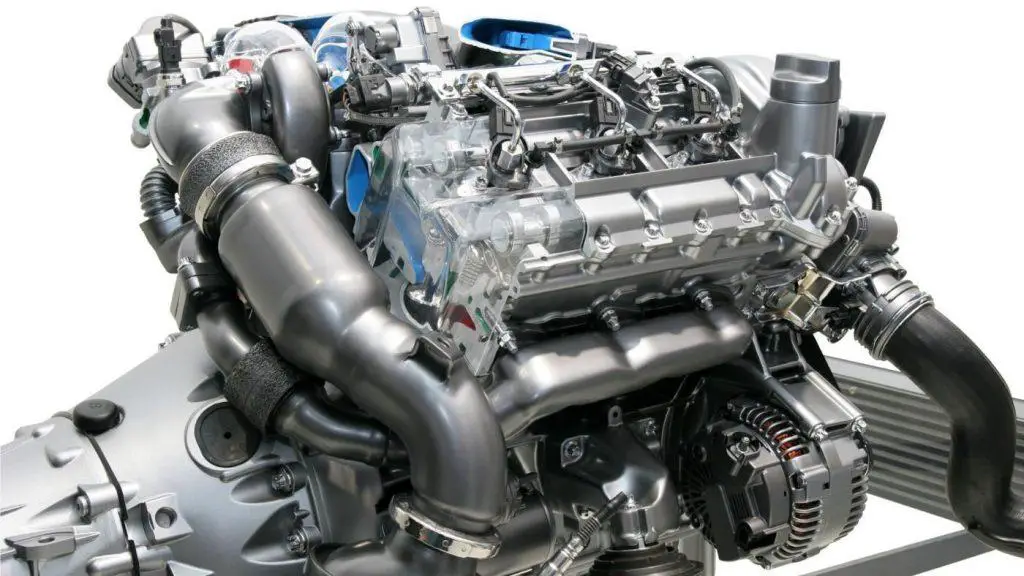
Your maintenance advice provider may have told you that installing a short block engine takes more time than a long block engine. Well, that’s true! Each part must be held in a specific position, and the process of linking the parts together can be time-consuming. This engine is affordable because buying only the necessary parts reduces the cost. In the race between long block and short block engines, in terms of replacement, the internal parts of the short block are more expensive than the external parts of the long block.
In terms of performance, short blocks, due to their freedom in additional parts, are more efficient than long blocks.
Conclusion
The car we drive says a lot about us, just like the engine. Long block or short block engine, choose the one that suits your car and your needs for better results.