
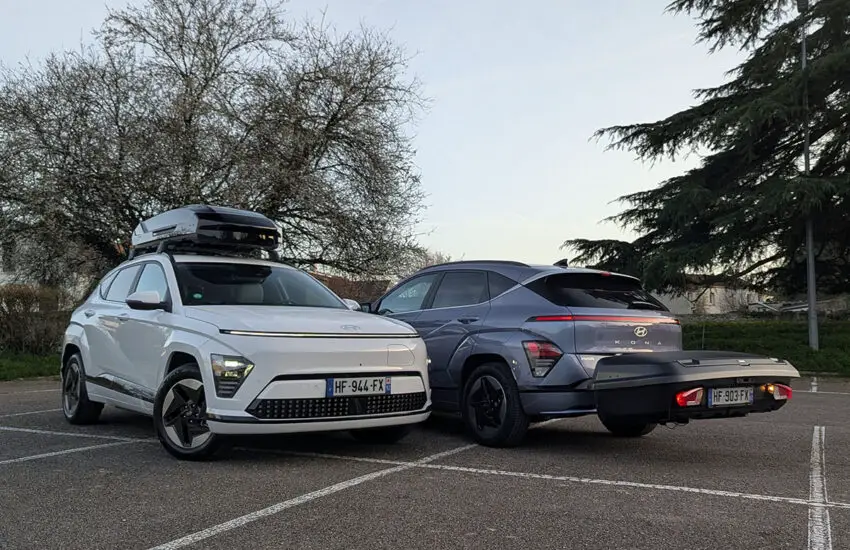
The Luggage Dilemma for Electric Cars
For electric vehicle owners planning a family trip, maximizing cargo space without devastating range is a key challenge. Two popular solutions emerge: the traditional roof-mounted cargo box and the rear-mounted hitch box. But which one is more efficient for preserving your EV’s precious battery life on the highway? We put the options to the test.
The Aerodynamic Impact: Roof vs. Rear
The fundamental difference lies in aerodynamics. A roof box significantly increases frontal area and creates turbulent air flow over the vehicle, which the motor must constantly work against. This results in a substantial and consistent drain on the battery, especially at higher speeds. Conversely, a hitch-mounted box sits in the vehicle’s aerodynamic wake, disrupting airflow less. It acts more like an extension of the car’s shape, leading to notably less drag.
Real-World Range Results
In comparative testing, the difference in energy consumption is clear. A roof box can reduce an EV’s highway range by 20% or more, depending on speed and box design. The hit to efficiency is immediate and significant. A hitch box, while still affecting efficiency, typically results in a much smaller range penalty, often in the range of 5-15%. For a long journey, this difference can equate to one or more additional charging stops with the roof-mounted option.
Choosing the Right Cargo Solution
Beyond aerodynamics, consider practicality. A hitch box offers easier loading, doesn’t affect garage clearance, and maintains the vehicle’s center of gravity. It requires a tow hitch installation, however. A roof box is more universally compatible but is harder to access and can create wind noise. For the EV driver focused on maximizing travel distance between charges, the hitch-mounted cargo box is the superior choice for preserving autonomy, making it the recommended solution for long electric road trips.