
Rivian Charts Its Own Course for In-Car Tech
The electric vehicle maker Rivian is taking a definitive stand against the industry’s reliance on Apple CarPlay and Android Auto. Company leadership believes the future of in-vehicle infotainment lies not in smartphone mirroring, but in deeply integrated, native systems designed from the ground up for their specific vehicles. This philosophy has led to the development of the Rivian Assistant, an in-house platform aiming to deliver core connectivity features without ceding control to external tech giants.
The Rivian Assistant Takes Center Stage
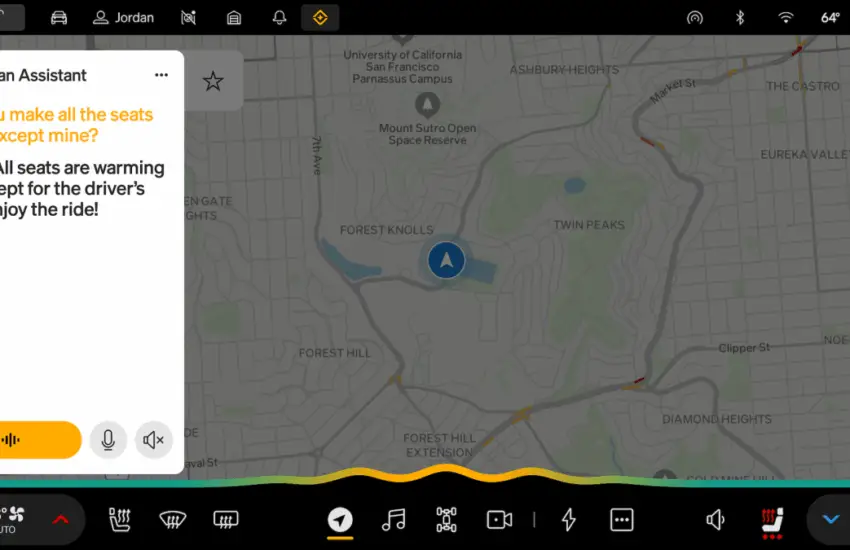
Rivian’s alternative centers on a proprietary, voice-activated assistant designed to handle key functions like messaging and navigation seamlessly. The system allows drivers to send and receive texts using simple voice commands, with the assistant reading messages aloud and transcribing replies. This integrated approach ensures the functionality is woven directly into the vehicle’s digital cockpit, offering a unified experience that leverages the car’s own displays, microphones, and speakers for optimal performance and safety.
Philosophy Behind the Proprietary Push
Rivian’s strategy is rooted in a desire for holistic design and data ownership. By building its own system, Rivian maintains complete control over the user experience, ensuring it aligns with the brand’s aesthetic and functional principles. It also allows for deeper vehicle integration, where features like messaging can be context-aware—potentially pausing notifications during intense driving scenarios. Furthermore, this path enables Rivian to collect valuable usage data directly, which can inform future software updates and vehicle development, a key advantage in the competitive EV landscape.
A Gamble on Ecosystem Independence
This move is not without risk. Apple CarPlay and Android Auto are overwhelmingly popular due to their familiar, personalized interfaces that work consistently across different cars. Rivian is betting that its native system’s superior integration, combined with unique vehicle features and regular over-the-air updates, will be compelling enough for owners to forego the smartphone ecosystems they use everywhere else. The success of the Rivian Assistant could signal a broader shift among automakers seeking to reclaim their digital dashboards.