
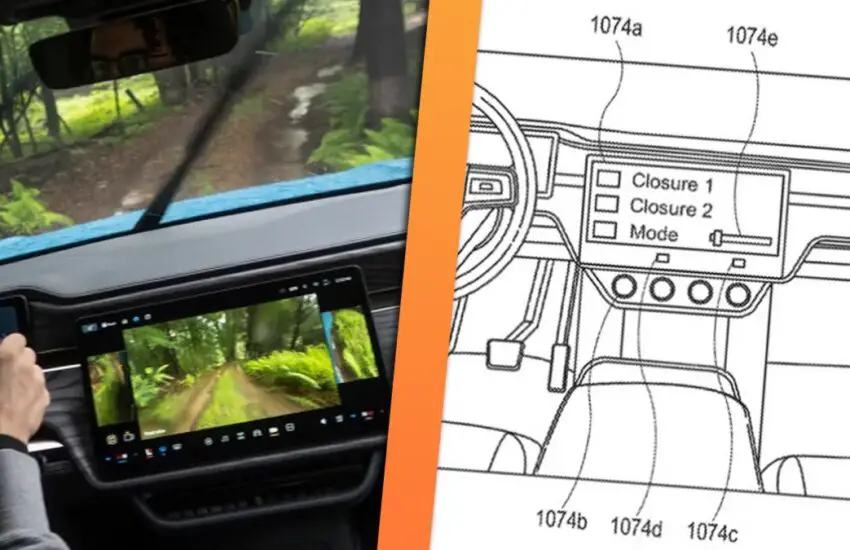
Rivian Explores a Return to Physical Controls
A recently published patent filing from Rivian has sparked significant interest, revealing a potential design shift for the cabin of its R1S SUV and likely the R1T pickup. The patent documents showcase conceptual illustrations of a dashboard featuring a prominent row of physical buttons or rotary dials positioned directly beneath the main central touchscreen. This move suggests Rivian is actively considering reintroducing dedicated physical controls for core vehicle functions.
Balancing Digital and Tactile Interaction
The patent highlights an industry-wide conversation about the optimal user interface in modern vehicles. While large touchscreens offer immense flexibility and a sleek, minimalist aesthetic, they can lack the immediate, tactile feedback of physical controls. Drivers often must navigate through digital menus to perform simple tasks like adjusting climate settings or audio volume, which can divert attention from the road. Rivian’s exploration of this hybrid approach aims to marry the benefits of a digital display with the intuitive usability of traditional buttons for frequently accessed features.
Potential Functions and Driver Focus
Although the patent does not specify the exact functions of the proposed controls, industry analysts speculate they would be reserved for essential operations. Likely candidates include climate control fan speed and temperature, defroster activation, audio system volume, and perhaps drive mode selection. By providing a muscle-memory, eyes-on-the-road method for these common adjustments, Rivian could enhance both convenience and safety. This design philosophy prioritizes the driver’s experience by reducing cognitive load and minimizing interactions with the central touchscreen while driving.
A Strategic Evolution in Design
This patent does not guarantee the feature will reach production, but it is a strong indicator of Rivian’s design evolution. It demonstrates the company’s responsiveness to user feedback and its commitment to refining the in-car experience. As the electric vehicle market matures, differentiating factors like superior ergonomics and intuitive interiors become increasingly important. Rivian’s potential integration of physical controls could set a new standard for blending innovative technology with user-centric, practical design in the electric vehicle segment.