
Rivian’s Strategic Bet on LiDAR Technology
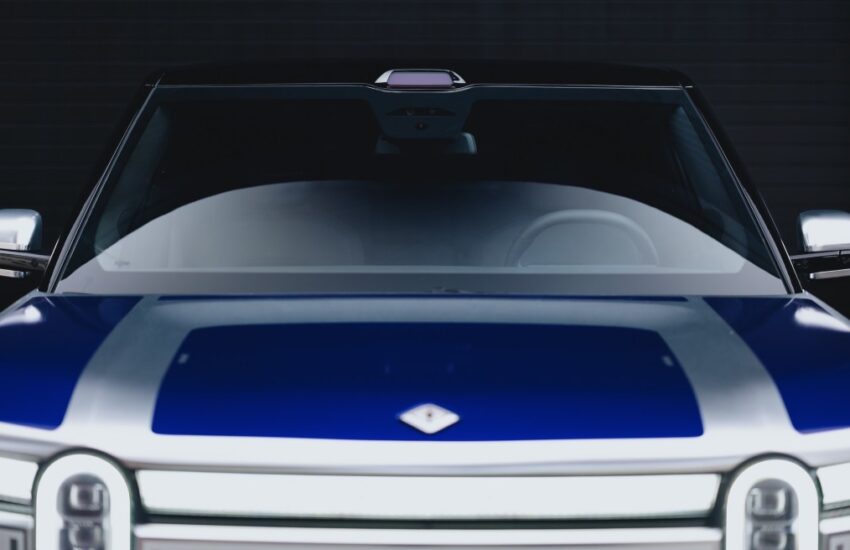
In a significant industry move, Rivian has announced plans to integrate LiDAR sensors into its next-generation vehicle platform, slated for 2026. This decision positions the electric vehicle maker in direct philosophical opposition to Tesla’s long-standing “vision-only” approach to autonomous driving. Rivian’s leadership has subtly critiqued the reliance on cameras alone, suggesting a multi-sensor strategy is essential for achieving higher levels of safety and reliability.
Building a Proprietary Tech Foundation
The LiDAR integration is part of a broader technological overhaul revealed at Rivian’s recent AI and Autonomy event. Central to this roadmap is the development of an in-house, proprietary system-on-a-chip (SoC). This custom silicon is designed to process the immense data flow from LiDAR, cameras, and radar sensors simultaneously. By controlling both the hardware sensors and the processing brain, Rivian aims to create a deeply integrated and optimized autonomous driving stack, potentially offering performance and efficiency advantages over off-the-shelf solutions.
The Great Sensor Debate in Autonomy
This announcement reignites the core debate within the self-driving industry: sensor fusion versus pure computer vision. Tesla advocates that with sufficiently advanced artificial intelligence and neural networks, cameras can provide all necessary data for full autonomy, mimicking human vision. Rivian, along with many other automakers and tech companies, argues that LiDAR provides critical, redundant data—especially precise depth perception and 3D mapping in low-light or adverse weather conditions where cameras may struggle. Rivian’s 2026 commitment is a clear bet that this layered approach will be the safer and more robust path to consumer-ready automated driving.
The move signals Rivian’s confidence in its long-term vehicle architecture. Incorporating LiDAR from the ground up in a new platform allows for seamless design integration, potentially leading to more aesthetically pleasing implementations than retrofitted systems. As the 2026 timeline approaches, the industry will watch closely to see how this technological divergence plays out in real-world performance and consumer acceptance.