
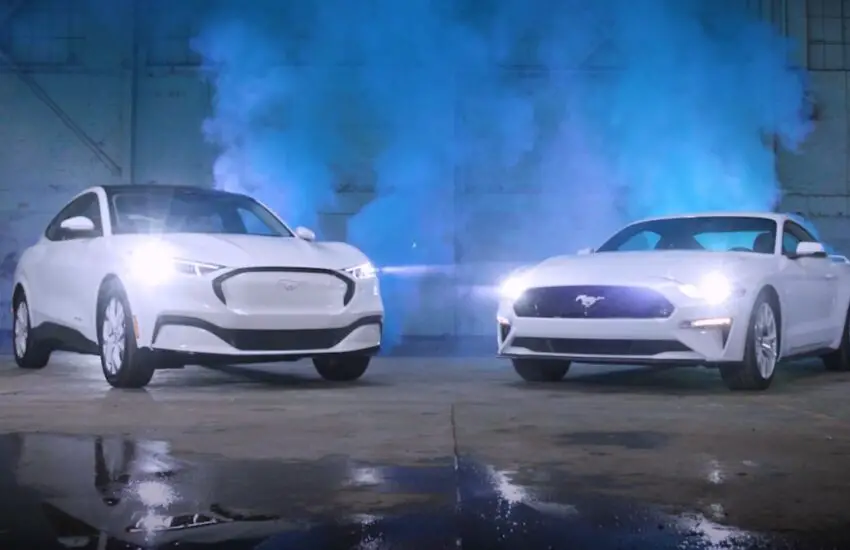
The Phenomenon of Automotive Name Reincarnation
The automotive industry of the last decade has shown a surprising trend: once-forgotten model names are massively returning to the market. However, the new cars often have nothing in common with their namesakes from the past. This strategic move by automakers has deep marketing and economic foundations.
Nostalgia as a Marketing Tool
Memories of legendary models evoke strong emotions in consumers. When a manufacturer revives a well-known name, it automatically gains access to decades of formed positive perception. Buyers subconsciously transfer the qualities of the old model to the new one, which significantly simplifies the decision-making process for a purchase.
Savings on Branding
Creating a new brand requires colossal investments in marketing and promotion. Using an already known name allows saving millions of dollars on advertising campaigns. A familiar name is instantly recognized by consumers and requires no additional explanation.
Emotional Connection Strategy
Automakers artificially create generational continuity by appealing to the personal memories of potential buyers. Many dreamed of certain models in their youth and now get a chance to buy a modern version of their “dream car.” This psychological technique significantly increases marketing effectiveness.
Technological Paradox
Modern cars with historical names demonstrate an interesting paradox: while maintaining an emotional connection with the past, they are equipped with cutting-edge technologies. Manufacturers combine nostalgic branding with innovative features, creating a unique selling proposition.
Globalization and Unification
In the context of a global market, manufacturers strive to standardize their model ranges. The return of proven names helps create unified platforms for different markets, reducing development and production costs.