
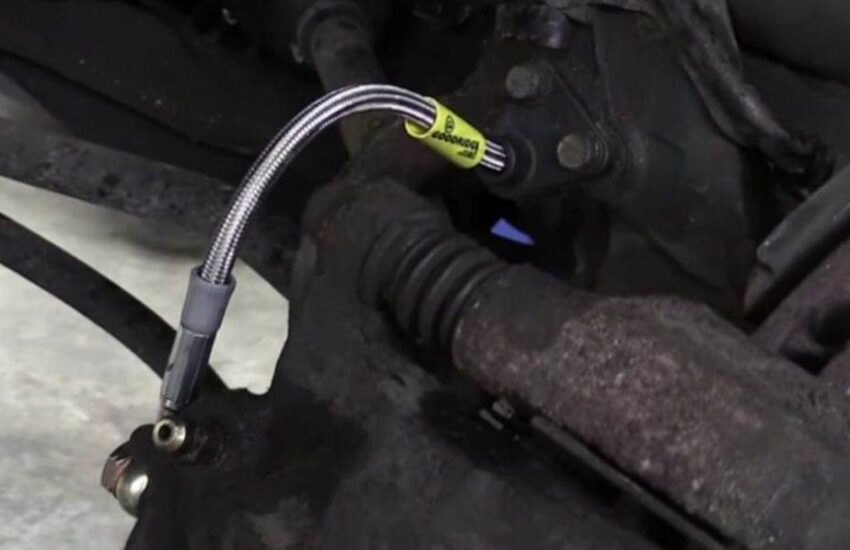
Replacing Rusted Brake Lines is a bit tricky. How to make this job easier, let’s dive into our article to learn step by step how to change your car’s brake lines when they are rusted and gain knowledge about this small part.
Car Brake Lines: Working Principle
Although car brake lines are not the most visible parts of the braking system and rarely receive much attention, they play a key role in the operation and performance of the car brake. And this can directly affect your road safety. What are brake lines on a car? Brake lines are designed with the function of connecting the braking system and running the length of your car.
Another important function is converting the impact force from the pedal into stopping power. You can simply understand that when you press the pedal, the force from your foot will be transferred to the braking system via the brake lines. This system uses brake fluid to apply pressure to the brake calipers, creating friction between the rotor and the brake pads. A car slows down and then stops when the brake calipers grip the braking system.
Most cars today often use hydraulic brakes. This means using fluid to transfer the force from your foot to the brake and make your car stop. In this case, the brake lines will have the responsibility of carrying the brake fluid stored in a master cylinder to other parts of your braking system, which means the braking system will not function without brake lines. From this, we are sure you know the importance of this part and why you need to maintain and check the brake lines like other important parts of your car.

Why Do Brake Lines Rust?
Rust is one of the common problems for many vehicles. Corrosion (oxidation) can happen to metal or rubber and even plastic. It’s essentially oxygen and other elements from the environment attacking the car parts. As we know, brake lines are made mainly of metal (steel or stainless steel tubing) which is always coated with plastic to prevent corrosion. In terms of materials, brake lines are considered one of the most easily corroded parts on cars and they can naturally deteriorate from heat and moisture.
According to the structure, the brake line is designed under the car, that’s where it comes into contact with dirt (salt). Brake lines can be rusted by the salt spread on icy roads in cold weather. These factors mixed with moisture will accelerate the corrosion process.
Furthermore, the main cause of rust in brake lines is abrasion. Rusted brake lines are a sign that the outer protective layer has been damaged. Corrosion causes a change in the material’s surface and eventually erosion of the metal. For vehicles that have been used for a long time, the protective coating of the brake line (plastic) is easily worn away by dirt and collisions. When this layer is disabled, the brake line will be in direct contact with the air and external substances, causing significant rust.
What Happens If Your Brake Lines Are Rusted?
When brake lines are corroded, will it affect the operation of your braking system? Are rusted brake lines dangerous? We can state that rusted or damaged brake lines can be a potential risk when you are driving and it can even cause your braking system to fail completely. Corrosion on brake lines is one of the main killers due to fluid leaks. When the brake line rust is in the worst condition, it will tend to break, which will lead to a brake fluid leak.
Once you press the pedal, the pressure will transfer the brake fluid via the lines and activate the brake calipers. When the brake lines have broken, the fluid leaked out and did not have enough pressure for the calipers. Of course, in this situation, the braking action will not occur and you already know the consequence when your car suddenly loses the ability to slow down and stop.
Many drivers share with us: if my brake lines are rusted then how to repair a brake line? And our answer is: depending on the rust condition of the brake line, we will take appropriate measures, but replacing the brake line may be the best method. However, how to do this? The question will be explained in the next part.
Replacing Rusted Brake Lines: 5 Simple Steps
Before starting to replace the rusted brake lines, you need to prepare some necessary tools for this process if you have decided to fix it yourself:
- New brake lines
- Flare nut wrenches
- Flaring tool kit
- Bending pliers
- Brake fluid
- Tube cutter
- A debugging tool
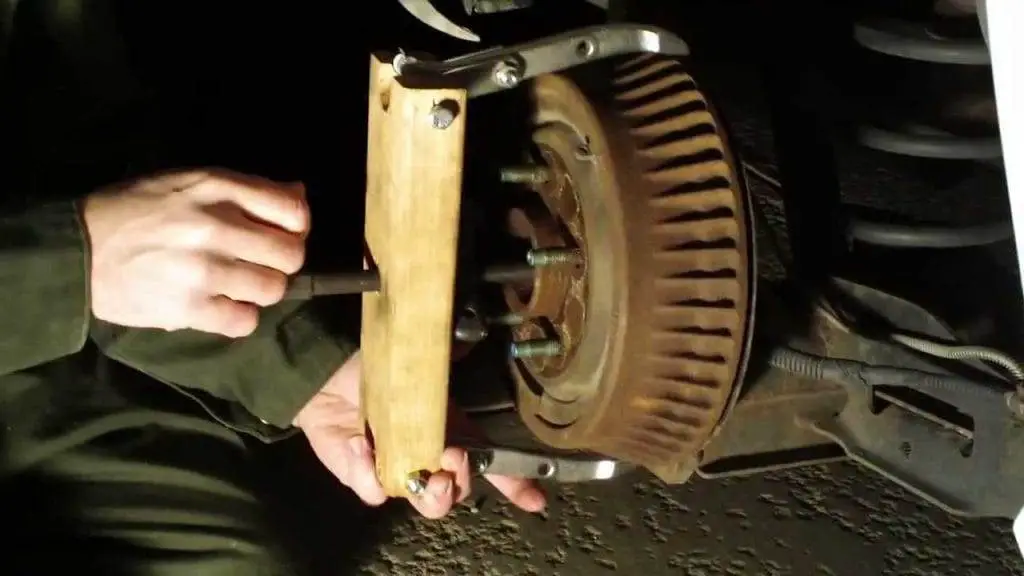
Step 1: Remove the Rusted Brake Lines
To facilitate the replacement process, the first step, you need to jack up your car and ensure to secure the 4 corners on the jack. The metal brake lines run from the chassis to the master cylinders. If the brake fluid is leaking near a wheel, you need to remove the wheel where you are going to replace a line.
After that, you will start inspecting each part of the brake lines to locate the line that has corroded. In this step, we recommend you wear safety glasses to prevent debris from getting into your eyes during inspection and replacement, as dirt from rust spots can affect your eyes.
Use a wrench to unscrew both ends of the brake line. If the nuts are rusted, you can spray them with oil to ease the process. You should have a cloth ready to wipe up any spilled fluid. As brake fluid is corrosive and can damage paint, clean it immediately if it leaks.
If you want to replace the entire line, you can use the wrenches to remove the brake lines. You just need to cut the section of the line and use a mini tube cutter to remove the rusted brake line section. When removing the rusted brake line, you need to be careful not to accidentally cut or loosen any other wires designed at the end of the brake line. If you want to replace the entire brake line, you can use a flat-head screwdriver to remove that brake line.
Step 2: Prepare the New Lines
First, you need to know exactly the length of the old brake lines, you can use a ruler or measuring tape to do this and the advice for this step is that you need to pay attention to the bend to ensure you get the precise result.
Use the cutting tools to cut the new brake line to the required lengths. Do not cut your line too short, you need to leave about 1/4 inch remaining to allow for flaring. Take your time and turn the tube cutter knob a quarter turn at a time until the blade just touches the metal. You may need to do this several times until the cut is complete.
Step 3: Bend the New Brake Lines
How to bend the new brake lines and can you do it by hand? You can bend the new brake line based on the old line simulation. And make some gentle bends in the new lines by hand. Depending on the material of the brake line. If the brake line is copper or some resistant materials. You can use a machine to bend it for major bends like 90 degrees. Before bending, you need to slide a new fitting onto the line. Then, use a crimping plier to make the first bend. Match the old brake line and the new line, put the bender in place, and start bending.
Step 4: Flare the New Brake Line
Remember that you must put the fitting on carefully before flaring the new brake line up to the point where it is fixed and tighten it. Continue with the frame and reattach first at the lower end, then remove your socket and reattach it there. In this step, you need to ensure the fitting meets the manufacturer’s specifications.
The fitting must be slipped onto the line before placing the line on the flare. Because you cannot install the coupling when the flare is made.
You need to choose an adapter that fits the size of the brake line. If you read the instructions, they will show that the adapter has a few bumps on it. After locating the bumps, we align the adapter and the brake line with the first bump. Then we can go ahead and close our clamps.
Note that: You must tighten the collar or the brake line will slip. Insert the pin end into the brake line and insert the tapered tool to push the die into place, forming a line, the cone will have a recess where it rests on the die. Tighten the tapered tool until it stops, remove the mold, and reinsert the tapered tool so the flare can be folded back. Press until it stops.
Step 5: Install the New Brake Line
In this step, you will connect the new brake line piece to the coupling and pair the old and new brake line with an adapter. Hold the link with an open-end wrench and tighten each joint with a flare wrench.
With the 5 steps we analyzed above, do you think repairing rusted brake lines will be easy for you? So “How long does it take to replace brake lines?” Replacing rusted brake lines is always a quick process. It just takes you about 1 or 2 hours depending on your experience.
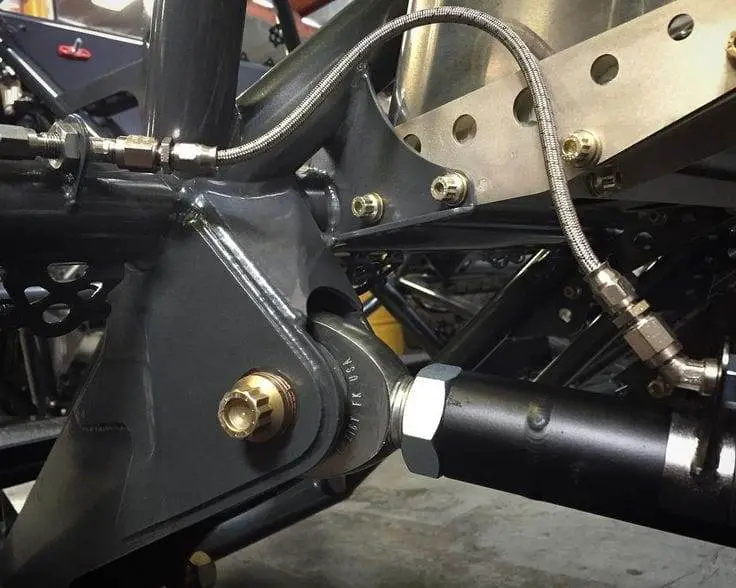
How to Protect Brake Lines from Corrosion?
It is easy for your brake lines to rust, so how to keep this part always in good condition? Normally, brake lines are designed with a lifespan as long as the car. However, the function of brake lines also depends on the environment when you live in a “cold climate”. To prevent the lines from rusting, we will share with you a few tips:
- You can coat the brake line with anti-rust or spray paint just to prevent them from rusting. If your brake lines are steel and do not have a plastic or rubber coating. It would be a good idea if you used stainless steel or nickel-copper instead of steel for the brake lines. Because nickel-copper is anti-corrosion and it does not rust and can last a very long time. Before applying the paint or rust extender, you can clean the dirt on the line using alcohol.
- Take the car to the service center to periodically check for underbody rust. The undercarriages should be washed and clean during winter for a very simple reason: to remove corrosive salts from the road. In case of severe corrosion of the brake lines. The NHTSA’s advice to drivers is to replace the entire brake hose.
- You can limit rusted brake lines by changing the brake fluid periodically (every two years or sooner). The reason is that brake fluid accumulates deposits over time. This also causes corrosion from the inside of the brake lines.
Conclusion: Replacing Rusted Brake Lines
Brake lines are steel or copper tubes that carry brake fluid from the master cylinder to the ABS units, proportioning valves, calipers, and wheel cylinders. Brake lines wear out over time, steel lines corrode and eventually crack. And when brake lines are faulty, it may require you to replace the entire braking system. And most importantly, it can directly affect your safety and that of your passengers.
Any car can blow a brake line. However, it happens more frequently in de-icing salt or when your brakes are steel. Therefore, to ensure the brake lines are always in the best condition. You should check them regularly, especially in winter. To conclude this topic, we want to affirm that: the brake line is a very important part. If you notice signs of rusted brake lines, do not delay in repairing or replacing them.