
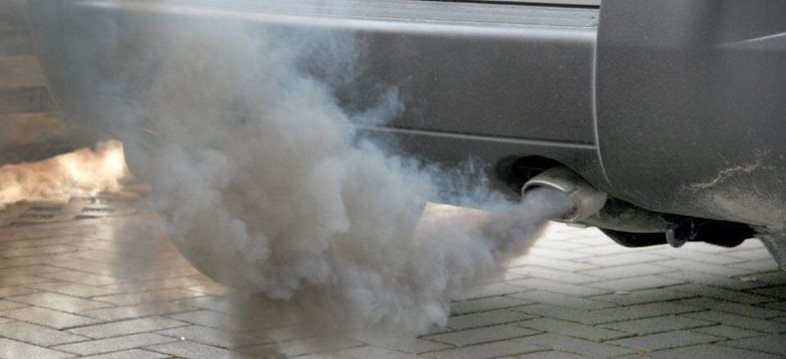

Diesel engines are known for creating a lot of smoke that sends toxic carbon emissions into the atmosphere.
The amount of smoke normally produced by a diesel engine generally depends on the size of the vehicle. If the vehicle is large like a truck, then the diesel engine must provide more power to move it. This means there will be more smoke generated. However, there should not be excessive amounts of smoke regularly coming out while you are driving. If there is, it could mean there is something wrong internally. You will soon want to fix this issue, as too much smoke from the engine will likely reduce your fuel efficiency.
Top 5 Repair Tips
If you wish to reduce the amount of diesel smoke coming from your vehicle, here are 5 repair tips that can help you do so.
1) Air Filter – A diesel engine first requires a certain amount of air to enter the combustion chamber, then the fuel injectors will spray diesel fuel to mix with it. The result of the diesel combustion process will be the emission of carbon dioxide and water. If there was enough air in the chamber, it would not create as much visible smoke after the combustion process. But if air struggles to pass through the air filter because it is blocked or clogged, then the chamber will not have enough air. This will result in a mixture that has more fuel than air, meaning more fuel is burned. If more fuel is burned, more visible smoke will be emitted. Therefore, clean or replace your air filter immediately.
2) EGR Valve – The Exhaust Gas Recirculation valve is something that has been used for some time in newer diesel vehicles. The purpose of this valve is to recirculate engine emissions back into the combustion chamber so they can be reused and burned again. This ultimately reduces the emissions coming out of your vehicle. However, if you have a faulty EGR valve, it will not recirculate the emissions. Therefore, more visible emissions and smoke will come out of your vehicle. You can fix this by repairing or replacing your EGR valve.
3) Fuel Injector Timing – The injector of a diesel engine vehicle must be balanced and timed correctly. If the injector fails to spray the right amount of fuel into the chamber at the right time, it will disrupt the entire combustion process. Check that your fuel injectors are not overly worn or misaligned. If they are, repair or replace them immediately. You can also check your vehicle’s central computer to ensure there is no programming issue with the timing.
4) Engine Deposits – Diesel engines will not stay healthy forever. If you have put many years and miles on your engine, carbon deposits have likely built up in your engine’s combustion chamber. You can reduce the risk of this by adding detergent packs to your diesel fuel. These detergents will clean these deposits from places like the combustion chamber and fuel injectors. Normally, diesel fuel is not supplied with these detergents, so you must add them yourself separately. Otherwise, the accumulating deposits will continue to cause more smoke to appear.
5) Turbocharger – If you drive a large diesel engine vehicle that requires extra power and fuel economy, it is likely equipped with a turbocharger. The turbocharger is capable of increasing this power because it has the ability to allow more air into the combustion chamber. However, a turbocharger also requires a lot of fuel when you try to accelerate from a stop. Sometimes, all this extra fuel will cause smoke to be emitted during takeoff. The best thing you can do here is to use a catalytic converter to help reduce these emissions as much as possible.