
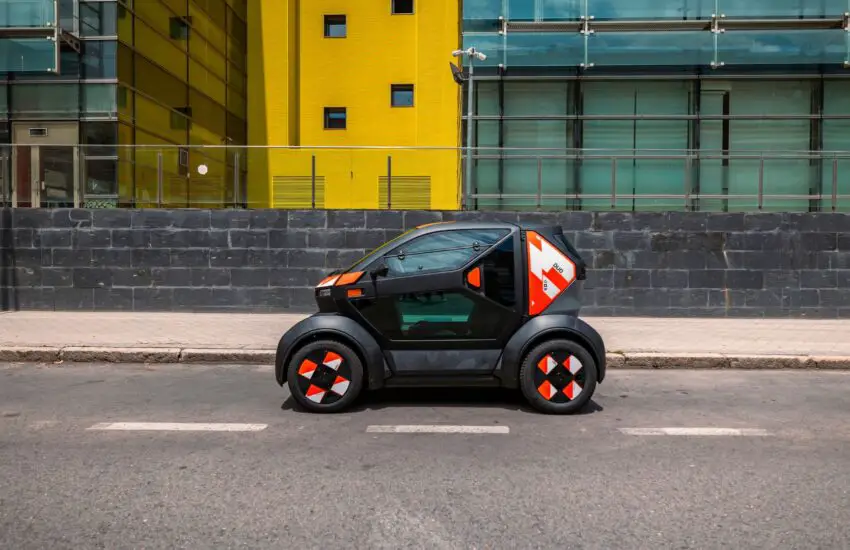
Renault’s Electric Quadricycle Halted Abruptly
Renault has made the surprising decision to terminate production of its Mobilize Duo electric quadricycle shortly after its market launch. This move by the group’s executive management represents a significant strategic reversal for the diamond brand in the competitive light electric vehicle segment. The premature end of this project raises serious questions about the future direction of the Mobilize sub-brand and the viability of its urban mobility solutions.
Understanding the Mobilize Duo’s Market Failure
The Mobilize Duo was engineered as a compact, two-seater vehicle intended for short urban trips and car-sharing fleets. Its design prioritized minimal footprint and cost-effectiveness. However, market reception appears to have fallen short of internal projections. Analysts point to several potential factors for its failure, including a pricing structure that may not have offered sufficient advantage over more conventional small electric cars, and a specific design that limited its appeal to a narrow commercial audience, primarily fleet operators.

Broader Implications for Renault’s Mobility Strategy
This setback extends beyond a single product flop. The Mobilize brand was conceived as a cornerstone of Renault’s transformation towards new, service-oriented mobility models. The Duo’s cancellation forces a reevaluation of this strategy. It highlights the intense challenges in the micro-mobility sector, where consumer adoption rates, regulatory environments, and fierce competition from scooters, e-bikes, and small EVs create a complex landscape. The group must now analyze whether the issue was with this specific product execution or with the underlying market assumptions for such quadricycles.
What This Means for the Electric Vehicle Sector
Renault’s experience with the Duo serves as a cautionary tale for the entire automotive industry as it diversifies into electric urban mobility. It underscores that electrification alone is not a guaranteed success formula. Product-market fit, clear consumer value proposition, and competitive pricing remain paramount. Other manufacturers developing similar light electric vehicles (LVs) will be watching closely, potentially recalibrating their own projects based on the market signals that led to the Duo’s demise.