
Renault Opens a Laboratory in France
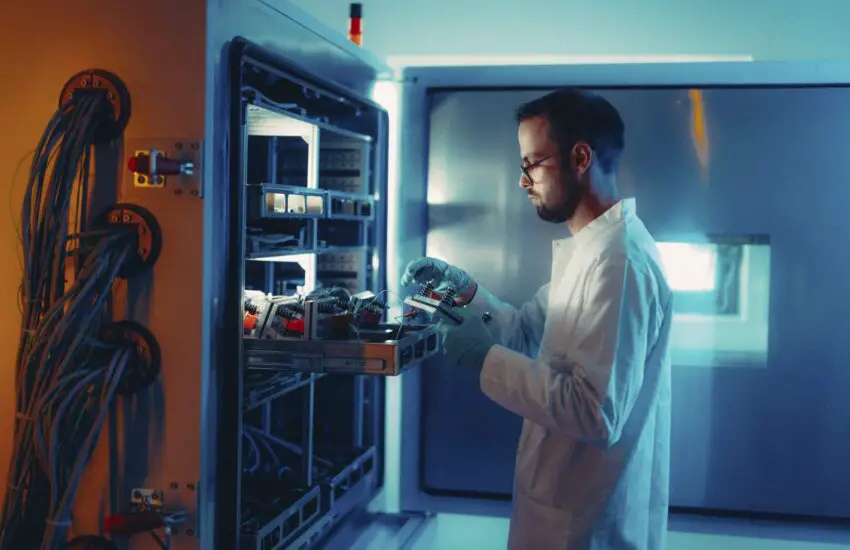
Ampere, Renault’s subsidiary specializing in electric technologies, has just inaugurated the “Battery Cell Innovation Laboratory,” a research center dedicated to anticipating technological breakthroughs in the field of electric vehicle batteries.
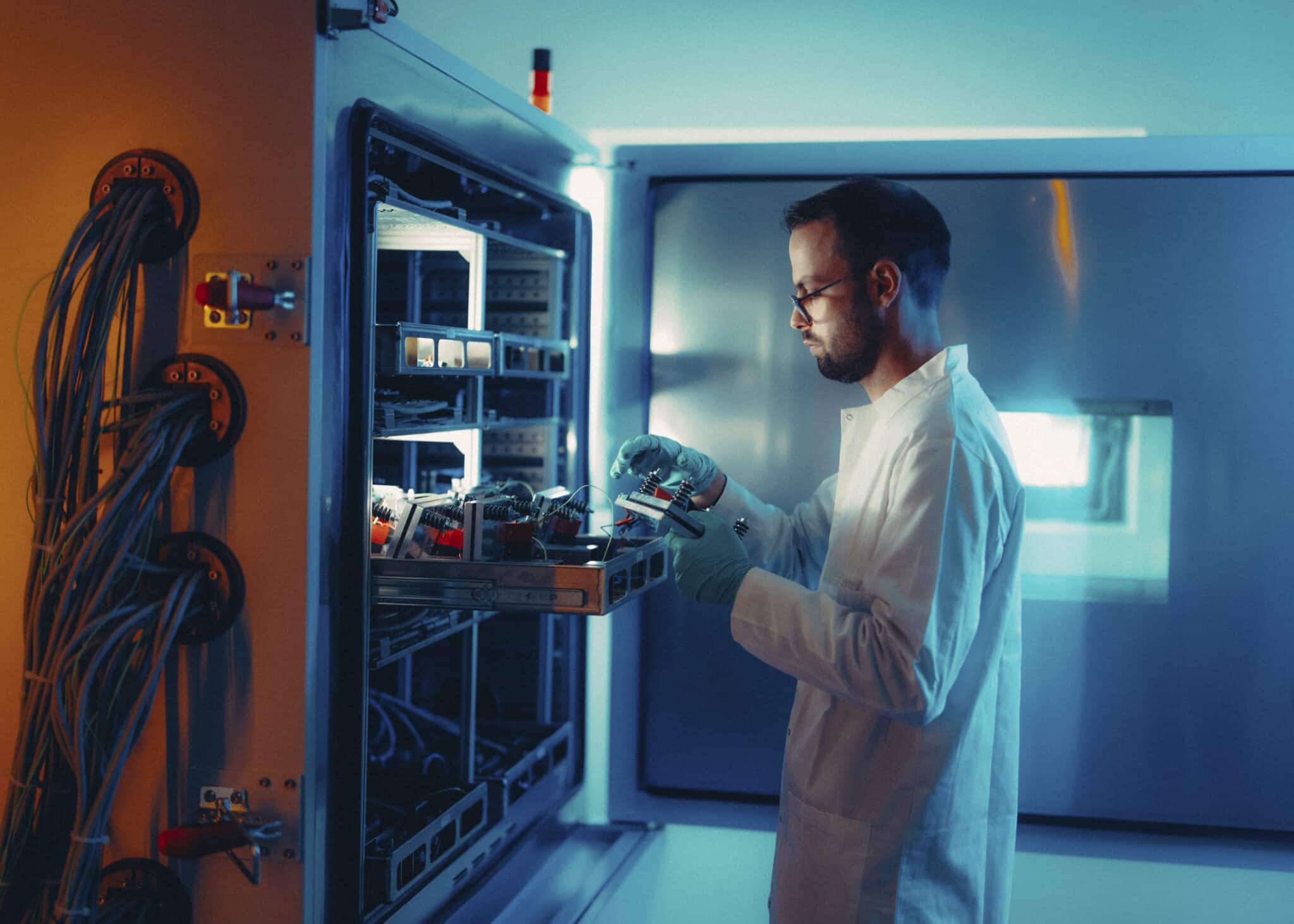 |
This laboratory represents a major strategic investment for the Renault Group in the race for battery innovation. Located in France, it will focus research efforts on next-generation battery cell technologies. |
The Objectives of the Battery Cell Innovation Laboratory
The new research center’s fundamental mission is to explore future battery technologies. Engineers and researchers will work on improving energy density, reducing charging times, and increasing battery lifespan.
The laboratory’s innovative approach combines fundamental research and industrial applications. Teams will study novel materials, revolutionary cell architectures, and sustainable manufacturing processes.
Strategic Importance for the French Automotive Industry
This initiative is part of a long-term vision to strengthen French industrial sovereignty in the electric vehicle sector. The laboratory positions France as a major player in battery research, an essential component representing a significant portion of an electric vehicle’s value.
The center will contribute to the development of a competitive battery industry in Europe, reducing dependence on Asian technologies. This technological autonomy is crucial for the future of the European automotive industry in the face of international competition.
Technological Challenges to Overcome
Laboratory researchers will need to overcome several major obstacles. Increasing energy density would enable greater range without adding weight to vehicles. Reducing charging times represents another critical challenge for the mass adoption of electric vehicles.
Battery durability and recycling are absolute priorities. The laboratory will explore circular solutions to minimize the environmental impact of batteries throughout their lifecycle.
Development Prospects
In the medium term, the laboratory’s discoveries could lead to batteries offering ranges exceeding 800 kilometers. Research on semi-solid batteries and lithium-metal technologies could revolutionize the market by the end of the decade.
Innovation will not be limited to performance. The laboratory will also study reducing production costs and optimizing manufacturing processes to make electric vehicles more accessible.
Impact on the French Automotive Ecosystem
This laboratory significantly strengthens the French electric mobility ecosystem. It will create highly skilled jobs and attract international talent in the field of battery research.
Collaboration with universities, research centers, and French startups will create a dense innovation network around battery technologies. This synergy will foster cross-disciplinary discoveries and accelerate technology transfer to industry.
The Ampere Battery Cell Innovation Laboratory thus represents a future investment for the French automotive sector, positioning Renault as a leader in sustainable electric mobility innovation.