
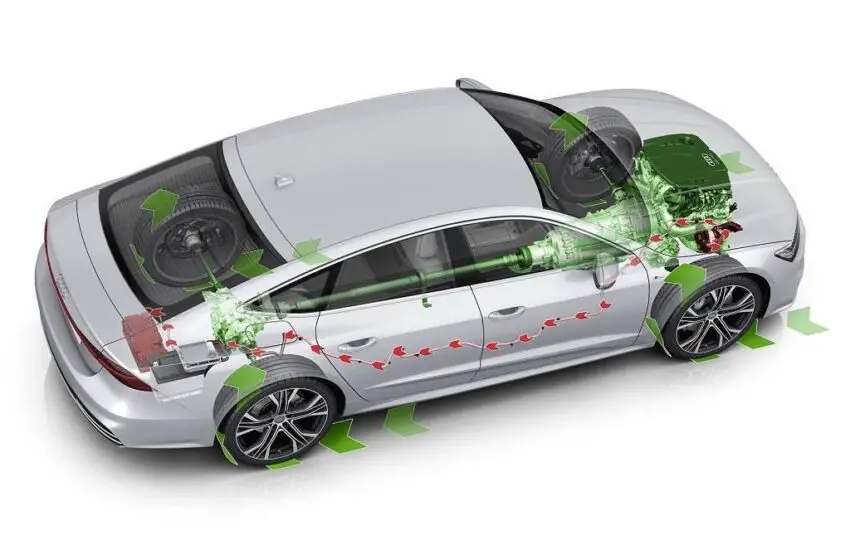
Regenerative braking is a way to return energy to the battery. It stores some of the energy typically lost during braking. This conserved energy then recharges the car’s battery to power the motor. It’s one of the extraordinary things about hybrids and electric vehicles.
How does this braking system work? Does it offer an additional advantage over the traditional braking system? Let’s clear up all your confusion.
How Regenerative Braking Works
The braking system is a way for hybrid and electric vehicles to recover their energy and recharge their batteries. This energy would be lost as heat in conventional engines.
The electricity produced by this conversion can either be stored in a battery or used immediately by the electric motor to propel the vehicle forward.
In gasoline engines, brakes use friction to slow the car down. This transforms the kinetic energy of your vehicle into thermal energy that must be dispersed. This thermal energy dissipates as heat, which is why brake pads often get so hot.
If you’ve ever driven on a highway with many hills, or even just climbed a long flight of stairs, you know how hot your brakes can get.
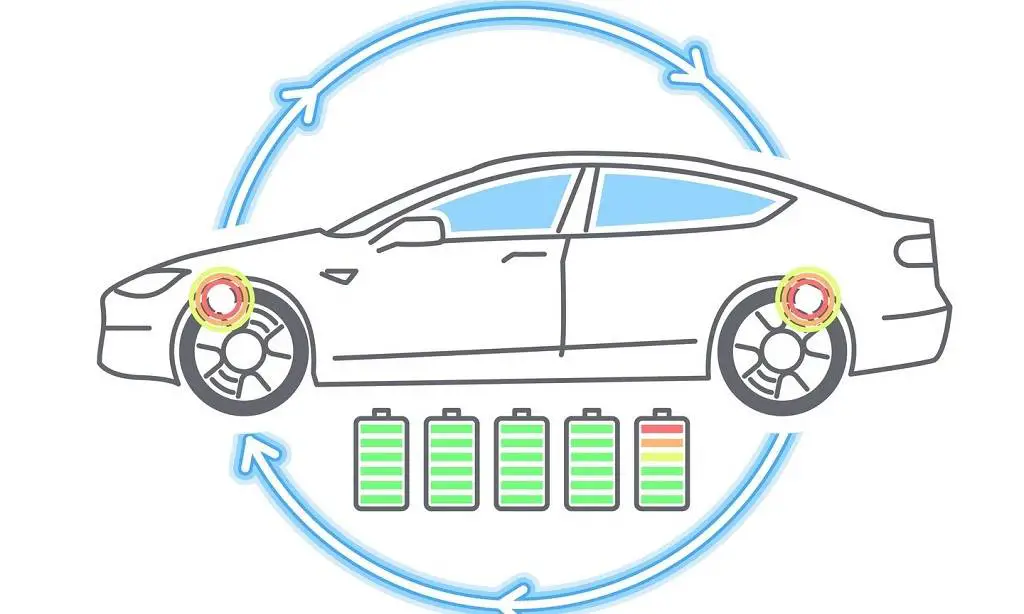
In a hybrid or electric vehicle, another source of braking power works in addition to the friction brakes. When you brake, kinetic energy is converted into electrical energy and then used to recharge the battery. This helps extend the car’s range and reduces the need to recharge it as often.
Let’s say you’re driving a Toyota Prius. There are two motors: one that powers the wheels and one that recharges the batteries. When you need to slow down, instead of using the brake pedal (which would be attached to the wheels), you can press what we call the “regen” button (this stands for “regenerative”). This reverses the energy flow from the batteries to the wheels, slowing you down without wasting kinetic energy as heat.
The Unique Advantages of Regenerative Braking
Hybrid and electric vehicles offer unique advantages over ordinary gasoline or diesel cars due to this braking system. Here are some of the most important ones:
Reduces the Car’s Carbon Footprint
This is because your kinetic energy won’t be wasted; instead, the system will use it to power something. It’s also one of the main ways to reduce the use of fossil fuels and decrease the greenhouse gases emitted by an automobile.
Thus, this braking helps reduce your car’s fuel consumption and emissions. This makes your vehicle more environmentally friendly and can help you save money on gasoline.
Less Wear on Brake Pads
As we mentioned earlier, this braking reduces the amount of heat generated when you apply the brakes. This helps extend the life of your brake pads and reduces the need for replacement.
Improves Mileage Range
In electric cars, this braking technology extends the car’s range by recharging the battery. This makes it easier to travel long distances without stopping to recharge the vehicle.
Increases Efficiency
It helps power both the electric motor and the gasoline engine in hybrid cars. This increases the car’s overall efficiency and reduces fuel consumption.
Conclusion
Regenerative braking is an innovative technology for electric and hybrid vehicles. It offers many benefits in addition to reducing environmental impact. Try it and see how much of a difference it can make for you.