

The mechanism of an automatic transmission is complicated and it takes time, money, and expertise to fix it when there is a problem with this component. One of these complex problems is the difficult shift of the automatic transmission from 1st to 2nd. Even experienced mechanics struggle to find the exact reasons for this issue.
Difficult Gear Shift from 1st to 2nd: The Reasons
The gear shifting problem can persist even after replacing the fuel filter and pressure control solenoids. Sometimes it occurs when the engine is cold and you try to start it immediately without warming it up first.
Why does the automatic transmission behave this way? Here are some reasons and solutions for a difficult gear shift from 1st to 2nd:
Dirty Transmission Fluid
The fluid gets dirty over time, and when this happens, it causes many problems. Difficult gear shifts are among them. If the color is dark brown or burnt, changing it will likely solve this issue.
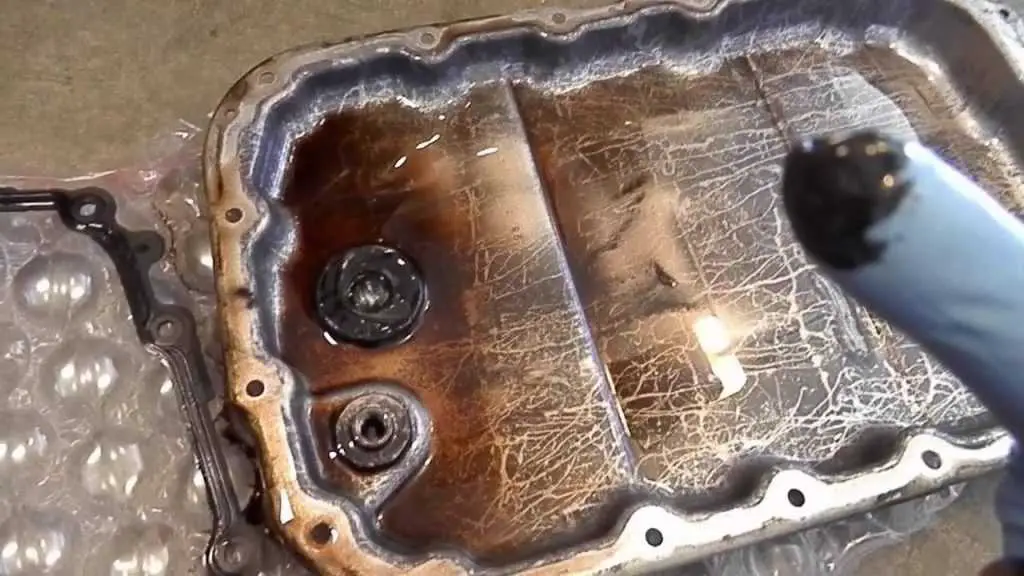
There is a recommended schedule in the owner’s manual for changing the fluid.
However, if the fluid changes color too often, the transmission is wearing out faster than normal. It could be a faulty bearing or clutch, so check these components if you need to change the fluid frequently.
Low Fluid Level
The fluid can drop below the normal level due to a leak somewhere in the pan gasket or in the input and output shaft seals.
Replacing these seals can be expensive because of their location inside the transmission. Instead, use a transmission sealant to repair the bent or shrunken seal(s).
This is a simple and less expensive solution that remains in the system until the next fluid change.
Faulty Components
Another reason why the transmission shifts from 1st to 2nd is that some components are faulty. It could be a cracked O-ring or a broken spring on the piston. Replacing them is the simplest way to get the gearbox back in order.
To replace these components, you need to remove the pan and the gasket. There is a cap on the right side of the transmission.
Detach the cap by removing the bolts attached to it. Then, remove the valve body. If the black transmission seal is already damaged or broken, you need to replace it.
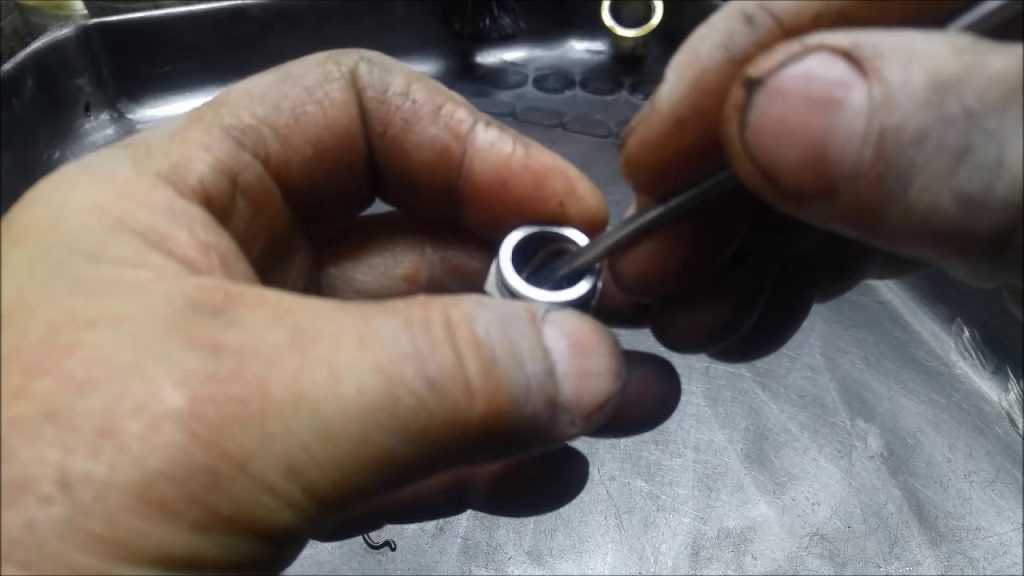
The cap has a piston and a spring. Check their condition and the piston seal for any damage. If yes, replace them. If they are fine, proceed and inspect the valve’s second spring.
Clean or change this spring and reassemble all the components to put the transmission back together.
If you haven’t already changed the fluid and replaced the filter, do so while changing these parts. Otherwise, just keep the filter in a bag while you change the O-ring or spring, then reinstall it.
FAQ on Difficult Gear Shifting
- What role does transmission fluid play in smooth shifting?
Transmission fluid lubricates and cools the moving parts inside the transmission while also providing hydraulic pressure to engage the gears. Low or degraded transmission fluid can lead to difficult gear shifts and other transmission problems.
- Can a clogged transmission filter cause difficult gear shifts?
A clogged transmission filter can hinder the flow of transmission fluid, leading to a drop in hydraulic pressure. This can result in difficult gear shifts as the transmission struggles to engage gears smoothly.
- Is a difficult gear shift always a sign of a serious transmission problem?
Not necessarily. While a harsh shift can indicate transmission issues, it doesn’t always mean a major problem. It can sometimes be resolved with routine maintenance, such as changing the transmission fluid and filter.
- Can driving habits affect gear shifting?
Yes, aggressive driving habits, such as rapid acceleration or sudden deceleration, can put extra strain on the transmission and potentially lead to difficult gear shifts over time. Gentle driving can help prolong the transmission’s lifespan.
- How can I handle difficult shifts from 1st to 2nd gear?
If you experience difficulty shifting gears, start by checking the transmission fluid level and condition. Ensure it is at the proper level and not discolored or burnt.
If the fluid is good, it is advisable to have the vehicle inspected by a qualified mechanic who can diagnose and fix the underlying issue.
- Are difficult gear shifts covered by my vehicle’s warranty?
Whether difficult gear shifts are covered by your warranty depends on the specific terms and conditions of your warranty coverage.
Typically, powertrain warranties may cover transmission-related issues, but it’s important to consult your warranty documentation or contact the manufacturer or dealer for clarification.
- Can a transmission flush help with difficult shifting?
In some cases, a transmission flush can help improve shifting performance by replacing old fluid with new fluid.
However, it’s essential to consult a professional technician to determine if a flush is appropriate for your vehicle’s specific situation.
- Are there DIY solutions for difficult gear shifts?
While routine maintenance tasks such as checking and topping up transmission fluid can be DIY, diagnosing and repairing difficult shifting issues often requires specialized knowledge and equipment.
It is generally best to consult a qualified mechanic for proper diagnosis and repair.
Final Words
These are the most common reasons for the difficult gear shifting problem. However, if changing the fluid and replacing these parts do not solve the issue, you should take the car to a repair shop for a professional check-up.