

There are many types of fluids in your car – from fuel in the engine tank to radiator fluid and coolant. So, a fluid leak isn’t really surprising given the volume of fluid contained in a vehicle. Additionally, the car sometimes appears to have a water leak, but that’s not the case. However, you should pay attention when a car leaks water on the passenger side.
Reasons for Car Water Leaks on the Passenger Side
A car needs different types of fluids to operate, but only two systems use water-based fluids. These are the engine cooling system and the windshield washer system.
When there is water on the passenger side of the car, examine these two areas:
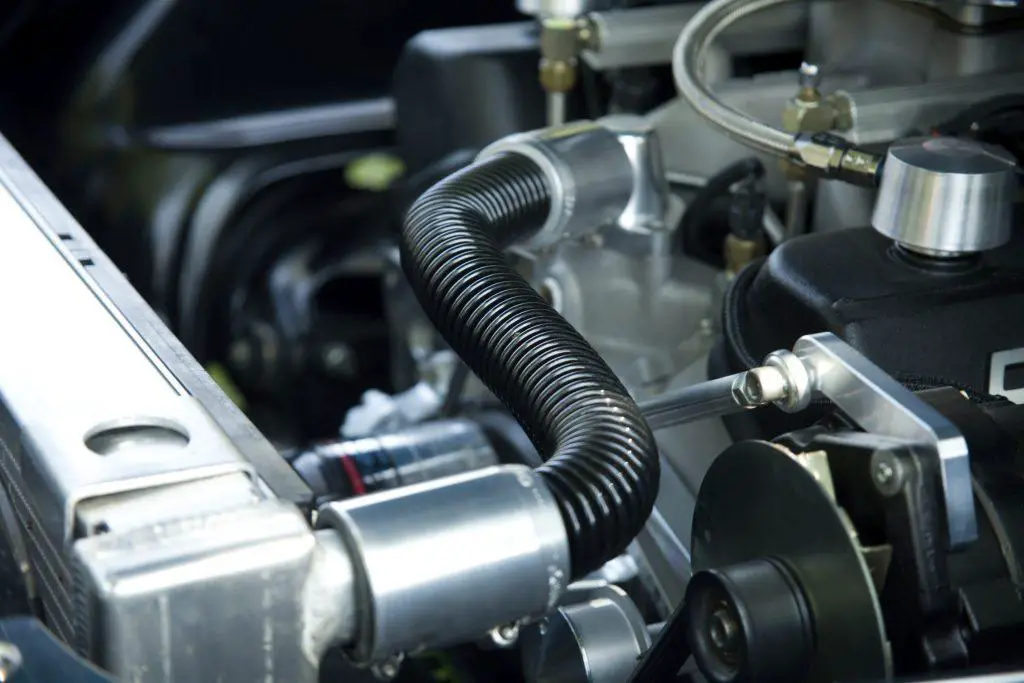
1. The Engine Cooling System
This is the first place to start the investigation when you see a car leaking water on the passenger side. The cooling system is highly pressurized, so even a small leak can force antifreeze out.
Furthermore, heating and cooling cycles can deteriorate seals and wear out gaskets and hoses.
2. The Windshield Washer System
The entire system consists of a reservoir, a pump, hoses, and nozzles. The reservoir stores the washer fluid and the pump pumps it to the hoses. Then, the hoses bring it to the nozzles, which spray the fluid onto the windshield.
A crack in the reservoir is the most common cause of a leak. This happens due to the extreme pressure exerted by frozen and expanded washer fluid.
You need to install a new reservoir to fix the problem. Use a low-freezing-point washer fluid to avoid it completely.
Remember that water will only leak when you use the washer. If you notice that the car is leaking water on the passenger side after using the system, you’ll know where to look.
My Car Leaks Water into the Passenger Side Floor When It Rains
Why does rainwater flow inside the passenger side? Well, there can be several reasons.
- Clogged sunroof drains or a loose drain hose. If your car has a sunroof, check its drainage system for these issues. Problems will cause water to seep into the car instead of draining outside.
- The heater core could also be the culprit. Check if the leaking fluid smells like coolant. In this case, the car will overheat or the coolant level will be low.
- A clogged drain in the air conditioning system or a vent. The passenger floor is the endpoint for these drains.
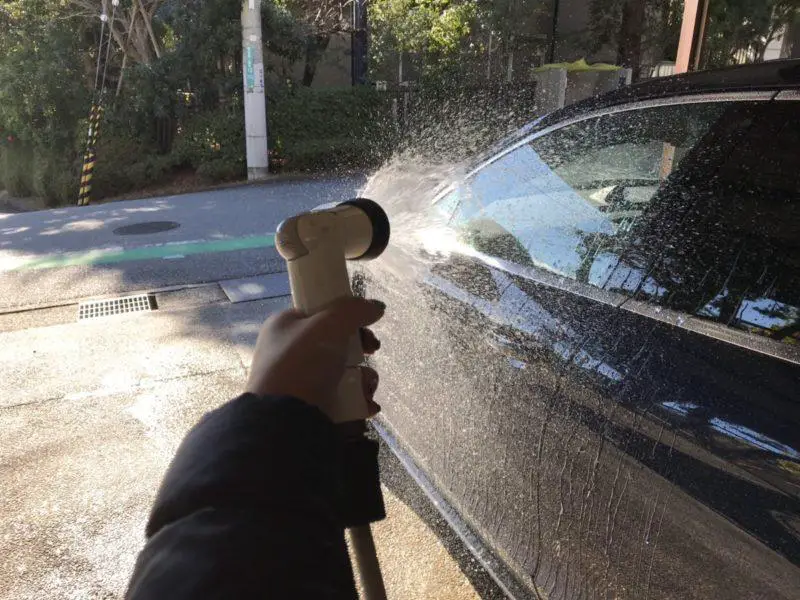
If you think rainwater is leaking through one of the seals, you can perform a water test to find the problematic spot.
Find an assistant to spray water on the car while you stay inside to try to locate the leak. Start from the low point, like the door crack, up to the bottom of the windshield and progress to the roof.
Testing takes time, but it’s the most cost-effective way to find the troublesome spot when a car leaks water on the passenger side.
FAQ
- Can a clogged sunroof drain cause a water leak on the passenger side?
Yes, a clogged sunroof drain is a common cause of water leaks. When the drain pipes are clogged, water can overflow and enter the cabin, causing leaks.
- What should I do if I suspect my car is leaking water on the passenger side?
First, locate the source of the leak by inspecting the affected area. Check for damaged seals, clogged drains, or rusty body panels. If in doubt, it’s best to consult a mechanic for a professional assessment.
- Can a damaged windshield seal cause water leaks on the passenger side?
A damaged or poorly sealed windshield can allow water to enter the car. If you suspect this is the issue, have a professional inspect and reseal the windshield.
- Is it dangerous if water seeps into my car?
While water leaks themselves are not immediately dangerous, they can lead to issues such as mold growth, electrical problems, and interior damage over time. It’s essential to address leaks promptly to avoid these secondary problems.
- How can I prevent water leaks on the passenger side of my car?
Regular maintenance is key. Keep sunroof drains clear, inspect weather seals, and promptly repair any rust or body damage. Parking your car in a garage or under shelter during heavy rain can also help prevent leaks.
- Can a faulty air conditioning system cause water leaks in the car?
A faulty air conditioning system can cause condensation buildup, leading to water leaks. If you suspect this is the problem, have your air conditioning system inspected and repaired by a professional.
- Is repairing water leaks on the passenger side expensive?
The cost of repairs depends on the cause and severity of the leak. Some tasks, like unclogging blocked drains, can be relatively inexpensive, while others, like replacing a damaged windshield, can be more costly. It’s best to get a repair quote from a qualified mechanic.
- Can I temporarily fix a water leak myself, or should I always consult a professional?
Simple issues like unclogging blocked drains can sometimes be handled by car owners.
However, for complex problems or if you’re unsure of the cause, it’s advisable to consult a professional mechanic or automotive technician to ensure a proper and lasting solution. Temporary fixes may not address the underlying issue.
Conclusion
When a car leaks water on the passenger side, it usually stems from various factors such as blocked drainage systems, deteriorated seals, or other related issues.
It is essential to promptly diagnose and address these potential causes to ensure the ongoing safety and comfort of your vehicle.
To this end, regular maintenance practices, like unclogging blocked drains and inspecting seals, play a crucial role in preventing water leaks!