
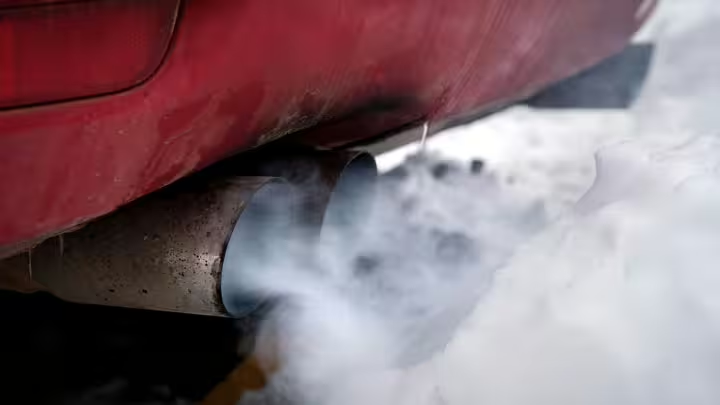
Smoke coming from the oil cap can be a worrying sign and potentially indicative of an underlying engine problem. Here is a comprehensive overview of the possible reasons and associated solutions.
Causes of Smoke Coming from the Oil Cap
Several factors can lead to smoke being emitted from the oil cap:
1. Excessive Crankcase Pressure (Blow-by)
This is the most common reason. “Blow-by” occurs when combustion gases escape from the combustion chamber and pass by worn or damaged piston rings into the crankcase.
- Worn or Broken Piston Rings: Over time and with wear, piston rings lose their effectiveness, allowing gases to seep through.
- Scored or Worn Cylinders: Damaged cylinder walls can prevent piston rings from sealing properly.
- Worn Valves and/or Valve Guides: Less common, but valves that do not close tightly can also contribute to blow-by.
2. Problems with the Positive Crankcase Ventilation (PCV) System
The PCV system is designed to remove gases from the crankcase and send them back to the intake to be burned. If it is faulty, these gases can build up and seek an exit, often through the oil cap.
- Clogged or Defective PCV Valve: A stuck or blocked PCV valve prevents the evacuation of gases.
- Obstructed PCV Hoses: The hoses or passages of the PCV system can become clogged with oil and carbon deposits.
3. Faulty Cylinder Head Gasket
A damaged cylinder head gasket can allow combustion gases or even coolant to enter the engine oil circuit.
- Blown or Cracked Cylinder Head Gasket: This creates an unwanted connection between the combustion chambers and the crankcase.
4. Overly Diluted or Contaminated Engine Oil
Oil contaminated with fuel or coolant can create excessive vapors when it heats up.
- Leaking Fuel Injectors: Unburned fuel can end up in the oil.
- Cylinder Head Gasket or Oil Cooler Problem: Allowing coolant to mix with the oil.
5. Faulty Turbocharger (on turbo engines)
A failing turbocharger can allow oil to pass into the intake or exhaust system, which can create vapors and potentially smoke through the crankcase ventilation system.
Solutions and Actions to Take
The solution will depend on the underlying cause of the smoke. It is crucial to have the problem diagnosed by a qualified mechanic.
1. Professional Diagnosis
- Cylinder Compression/Leak-down Test: To assess the condition of the piston rings and cylinders.
- PCV System Inspection: Checking the PCV valve, hoses, and manifold.
- Engine Oil Analysis: To detect the presence of fuel or coolant.
- Visual Inspection: Looking for leaks or signs of damage.
2. Specific Repairs
- Piston Ring Replacement or Engine Overhaul: If blow-by is severe due to worn rings or cylinders, a complete engine overhaul (or at least ring replacement) may be necessary.
- PCV System Repair or Replacement: Cleaning or replacing the PCV valve and hoses if necessary.
- Cylinder Head Gasket Replacement: If the cylinder head gasket is the cause, it must be replaced. This can be an expensive repair.
- Injector or Turbocharger Repair: Depending on the cause, faulty components will need to be repaired or replaced.
- Engine Oil Drain and Replacement: If the oil is contaminated, a complete drain with new oil that meets the manufacturer’s specifications is essential.
Prevention
- Regular Maintenance: Adhere to the oil change intervals and filter replacement schedules recommended by the manufacturer.
- Use of Quality Oil: Only use the engine oil specified for your vehicle.
- Monitoring Warning Lights and Performance: Be attentive to any changes in your engine’s behavior (excessive oil consumption, loss of power, unusual noises).
Seeing smoke coming from the oil cap is a sign that should not be ignored. A quick and accurate diagnosis can help you avoid more significant damage and higher repair costs in the future. Have you noticed any other symptoms accompanying this smoke?