
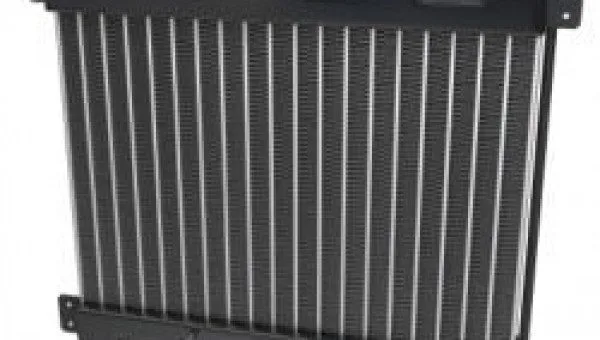
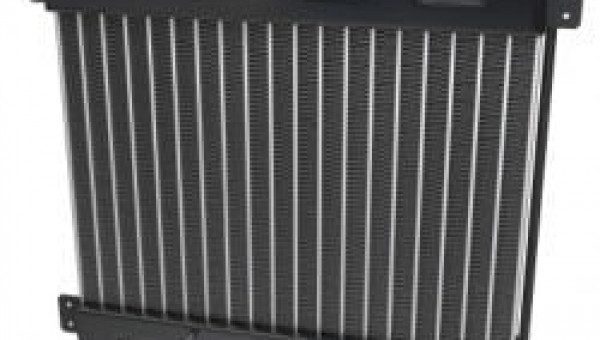
The operating temperature of a car engine is between 90.5 and 104.4 degrees Celsius, as a lot of energy is dissipated as thermal energy due to the high combustion rate in the engine.
This thermal energy must be effectively released to maintain your engine’s temperature within its operating range. If the temperature reaches critical levels, the engine will be destroyed. To maintain the temperature, car radiators are therefore used to dissipate heat.
Functions of a Radiator
Basically, the radiator is a type of heat exchanger that uses coolants such as water to absorb heat from the engine. The coolant flows to and from the engine, which also heats up. This is where a cooling fan, which is mounted right next to your car’s radiator, comes into play.
When the coolant absorbs heat, its temperature increases, but the fan, which is mounted near the radiator, blows air to cool it. The blown air cools the coolant to a large extent through convection. This continuous cycle, in which heat is absorbed by radiation and released again by convection from the fan, helps maintain the car engine’s temperature.
Modern radiators are made of plastic-aluminum. And although aluminum’s heat transfer rate is lower than that of brass, the larger size of aluminum radiators allows for faster engine cooling. They are manufactured by brazing thin tubes of aluminum fins and flattened aluminum tubes. For every two rows of copper or brass coolers needed, only one row of aluminum tubes is required.
Thermostats are also installed at the front of the engine to detect when the engine temperature exceeds the limit value. As soon as the temperature increases, water and coolant escape from the radiator, which absorbs the heat generated by engine friction and burned fuel. The radiator’s surface is kept large enough to allow the fluid to cool. In addition to placing the fan, air from the surrounding environment is introduced through the openings that keep the engine cool.
Symptoms of a Faulty Radiator
Your radiator plays an important role in dissipating heat from your car’s engine to ensure that your engine runs properly without breaking down. Over time, the radiator can malfunction for various reasons. The most important causes are listed below:
Low Coolant Level
The coolant, which is usually water but should preferably be a mixture of antifreeze and water, circulates around the engine through a pump and is cooled by the radiator. This antifreeze helps prevent the water from freezing in cold environments and boiling in very hot environments. A low coolant level is one of the common and fundamental reasons for overheating. A low coolant level means less fluid enters the engine, ultimately resulting in less heat absorption by the engine or heat dissipation.
Generally, the fluid level does not decrease, but due to issues such as a gasket leak or a pipeline or radiator leak, the fluid level can drop, leading to overheating problems. If you see a leak in the coolant under your parked car, it is certainly advisable to have the radiator checked, as this can become a major issue.
Overheating
A low coolant level will cause your engine to overheat. A clogged radiator can also cause your engine to overheat. Be sure to check the radiator if you notice overheating. For more information on overheating, check out our article: Overheating.
Causes of Overheating by a Faulty Radiator
Clogged Radiator
Sometimes radiators are clogged with dirt and deposits that restrict the flow of coolant. The main causes of radiator blockage are dirt, dead insects, and debris. This blockage is visible and can be seen from the engine compartment. If nothing is visible, it means your radiator is clogged from the inside, which can be detected by an infrared thermostat.
Incorrect Materials
Radiators were once made of materials such as copper and brass, but aluminum was later chosen for their manufacture to make them lighter and cheaper. Besides cost and weight, it is known that aluminum is much better than copper and brass for cooling. Therefore, it is better to have an aluminum radiator installed on your car if you don’t already have one, as old brass may be ineffective at controlling temperature.
Faulty Radiator Cap
A faulty radiator cap causes coolant to overflow from the radiator. Malfunctioning radiator caps are also one of the most common and sometimes overlooked aspects of the radiator. If your radiator cap is not properly tightened, coolant could leak from the radiator and cause an increase in engine temperature.
Faulty Thermostat
Thermostats are not only supposed to turn on and off any compressor-type device, but they also act as a valve that releases and stops the flow of fluid into the engine to absorb heat based on the engine’s temperature. If the thermostat is not working properly, it gets stuck and the water in the engine has no place to flow back, causing the engine to overheat. This is the most common problem of all.
Fan Problem
Sometimes the entire radiator is in good condition, but the fan connected to the radiator stops working. This may be due to an electrical failure or a problem with the fan motor. A malfunctioning fan can lead to improper cooling of the fluid. Depending on its condition, the fan can be repaired or replaced if necessary.
Radiators also have outlet and inlet tanks. These tanks help radiators carry the hot areas of coolant from the engines to a radiator. Any leak can be repaired or, if necessary, the entire tank can be replaced separately. Generally, a cooler replacement will cost you $350 to $400, including labor.