

Safety is one of the main concerns for every driver, and a reliable braking system is essential to ensure this safety. Understanding your vehicle’s mechanisms, especially the braking system, not only allows you to drive with confidence but also to perform routine maintenance such as brake replacement. In this essay, we will explore in detail the components that make up this crucial system, from brake discs to calipers, including brake pads and the hydraulic system. Additionally, we will familiarize ourselves with the tools needed to maintain this system and the concrete steps to replace brakes correctly and safely.
Understanding the Braking System
Understanding the Braking System
Vehicles are equipped with a braking system to ensure driving safety. This system mainly consists of brake discs, brake pads, calipers, and the hydraulic system.
Brake Discs
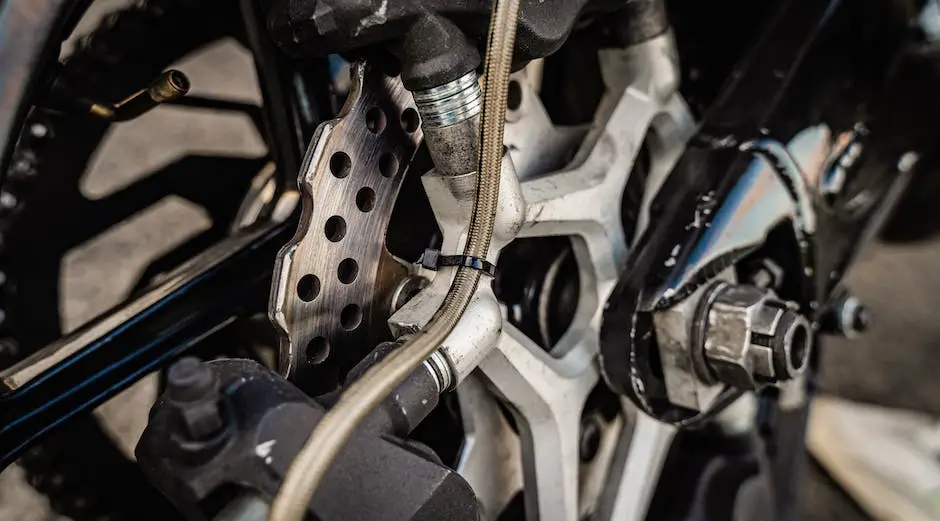
Brake discs are usually made of steel or cast iron and are directly connected to the wheel. When you press the brake pedal, the brake pads are pressed against the discs to slow down or stop the vehicle. It is important to regularly check the condition of your brake discs because worn or damaged discs could lead to brake system failure.
Brake Pads
Brake pads are the essential element that creates friction with the brake discs to slow down or stop the vehicle. They are typically made of metal or ceramic and are installed directly on the brake calipers. Brake pads need to be replaced regularly because their constant friction against the brake discs can wear them out quickly.
Brake Calipers
Brake calipers are the components that hold the brake pads against the discs. When you press the brake pedal, the brake fluid is forced through the calipers, causing them to clamp and press the brake pads against the discs. Brake calipers must be in good condition for the braking system to function properly.
Hydraulic System
The hydraulic system is the part of your vehicle that transmits the force from your foot on the brake pedal to the brake calipers. It consists of a brake fluid reservoir, a master cylinder, and brake lines. A leak or failure in the hydraulic system can have serious consequences on the vehicle’s braking ability. Therefore, it is crucial to have your hydraulic system regularly checked by a professional.
Understanding these components will help maintain a safe and effective braking system. It is advisable to regularly perform checks for signs of wear and to call a professional for necessary repairs and replacements.
Tools for Brake Replacement
Tools for Brake Replacement
Changing brakes is a technically demanding task, but with the right tools and some knowledge, it can be successfully accomplished. Here is a list of the main tools you will need to replace your brakes.
Wrenches
A variety of wrenches will be necessary for your brake replacement. Models that would be useful include an adjustable wrench, combination wrenches, and a ratchet wrench with a set of sockets. These wrenches will help you loosen and tighten the various nuts and bolts involved in the brake replacement process.
Jacks and Jack Stands
To access your brakes, you need to lift your vehicle. Therefore, you will need a jack to lift it off the ground and jack stands to support it while you work. Make sure to have a quality hydraulic jack and jack stands to ensure your safety.
Pliers
Pliers are used to pull parts, hold them firmly, and cut or bend different materials. Long-nose slip-joint pliers and diagonal cutting pliers are two types of pliers commonly used during brake replacement.
Screwdrivers
An assortment of flat-head and Phillips-head screwdrivers is essential. They can be used to disassemble components, adjust fasteners, and scrape off rust or debris.
Other Necessary Tools
Other generally useful tools include a hammer to dislodge stuck components, a vise to firmly hold parts when they need to be handled, and a wire brush to clean rust and debris from metal surfaces.
Remember, working on brakes is a serious task that requires precision and attention. Make sure you have all the necessary tools and follow your vehicle manufacturer’s instructions to ensure a safe and effective brake replacement.
Brake Replacement Procedure
Step 1: Preparing the Car
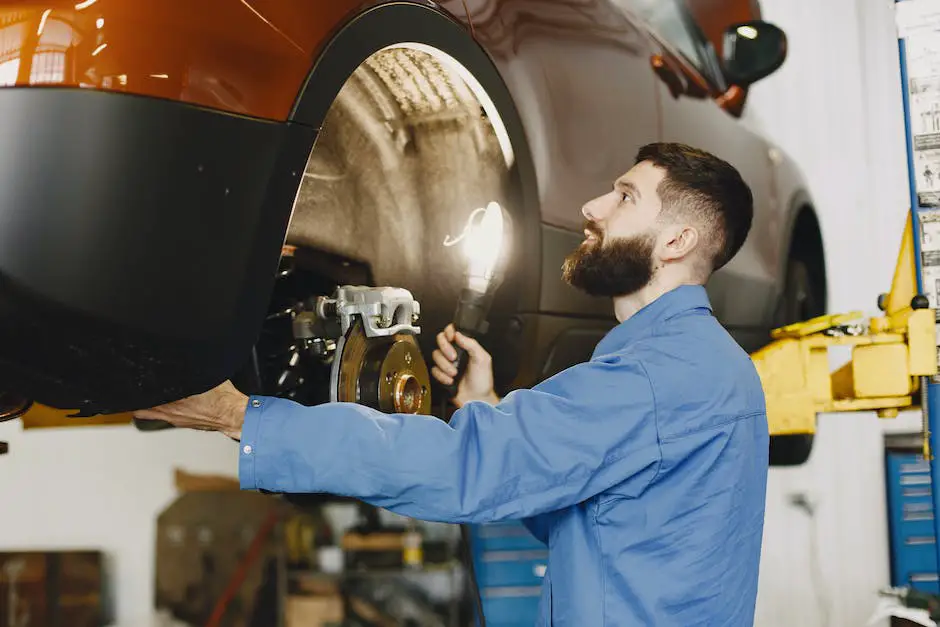
Before starting, make sure the car is stable. It is best to use a jack to lift the car and support it with jack stands. Once the car is lifted, remove the wheel whose brake needs to be replaced.
Step 2: Removing the Old Brakes
The brake consists of several parts, including the caliper, brake pads, and brake disc. To begin, remove the brake caliper. You may need to use a wrench or a socket wrench for this. Once the caliper is removed, the brake pads will be visible and can be easily taken out.
Step 3: Inspecting the Brake Disc
Inspect the brake disc for signs of wear or damage. If so, it will also need to be replaced. If the disc is in good condition, it can be left in place.
Step 4: Installing the New Brakes
Install the new brake pads into the caliper. You may need to use a special tool called a brake piston for this. Once the pads are in place, reassemble the caliper onto the brake disc.
Step 5: Reinstalling the Wheel
When the caliper is reassembled, put the wheel back on and lower the car from the jack. Make sure to properly tighten the wheel nuts.
Step 6: Post-Installation Safety Test
After installing the new brakes, it is important to test them to ensure they are working correctly. Start by checking the brake fluid level in the reservoir and top it up if necessary. Then, start the car and set it in motion, gradually applying the brakes to ensure they respond properly.
After replacing your brakes and performing a post-installation safety test, you can be confident that your vehicle is in good shape and ready for safe use. Although it may seem complicated, breaking down the procedure into simple steps allows you to approach this task calmly. By knowing both the components of your braking system and the tools needed to do this job, you are better prepared to ensure your vehicle’s safety. Even though many prefer to leave this task to a professional, acquiring this knowledge gives you greater autonomy and understanding of your vehicle’s mechanics.