
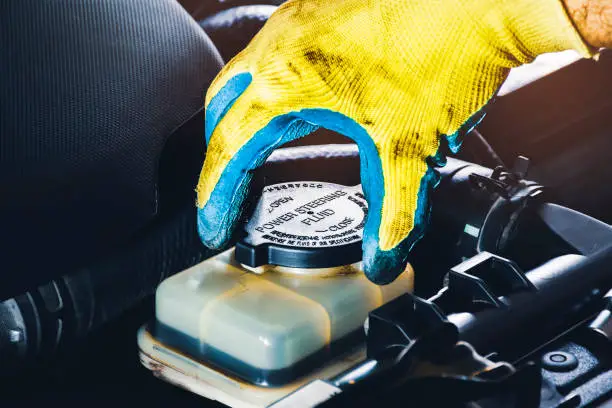
Most power steering systems use a hydraulic pump and valves to pressurize the hydraulic fluid that helps the driver turn the steering wheel, so this component is considered the heart of the system. But like other automotive parts, the power steering pump can wear out over time, causing many frustrating problems. Replacing the power steering pump is therefore a necessary task that drivers must perform in this situation, but how does the process work? Let’s follow along and find out:
How to Tell if the Power Steering Pump is Faulty
With the exception of the latest vehicle models that use electric power steering, the hydraulic pump is generally used for the power steering system. The pump runs continuously when the engine is on, generating high pressures in the power steering fluid to facilitate turning the steering wheel.
The power steering pump receives power from the engine via a belt, thus creating the necessary oil pressure. When steering, the control valve sends the oil pressure to the cylinder, which causes the piston to push the rack in the direction of the steering wheel’s rotation.
The pressure difference between the two piston heads creates a thrust force that helps reduce the driver’s impact force on the steering wheel. Since the pump receives power from the engine, the hydraulic power steering system only works when the engine is started.
Playing an important role in the power steering system, what will happen if your power steering pump fails?
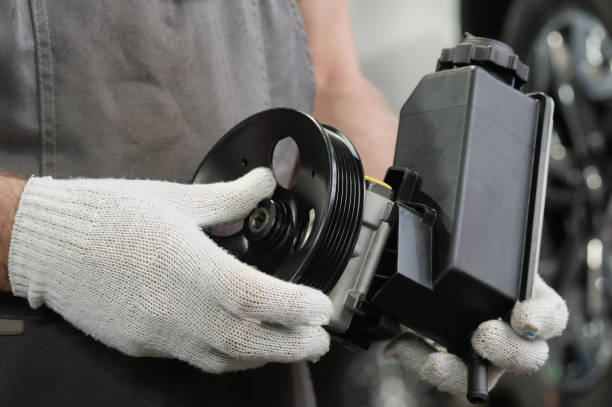
1. Squealing Noise at Startup
This is a typical sign of a loose accessory belt, but it can also be a sign of a failing power steering pump. You may hear strange noises as the power steering pump wears out. The most common complaint is a squeal or whine that becomes more noticeable when you turn the steering wheel.
You may also notice this noise when first starting the engine. The pitch of the sound may increase as the RPM increases. Furthermore, when the serpentine belt that drives the pump becomes loose and weak, it can produce a similar noise.
Additionally, loud noises when you turn the steering wheel usually mean that the vehicle’s power steering system is low on fluid or that the power steering pump is not working properly.
2. Heavy or Stiff Steering
The second symptom you may feel when the power steering pump fails is a hard steering wheel. Since the pump is responsible for increasing the fluid pressure in the system, if it fails, the pressure in the power steering system will be insufficient to make minor adjustments. The steering wheel becomes heavy and steering may become impossible.
3. Fluid Leak
Fluid leakage can come from a crack in the pump housing or in the pump seals. The color of the power steering fluid will be red, but be careful not to confuse it with transmission or coolant fluid. If the fluid level is consistently low, even after topping it off, there may be a leak or the pump may be consuming fluid due to internal damage.
You may encounter these three main symptoms when the power steering pump is faulty. Additionally, there are other signs such as:
- Metal flakes in the power steering fluid reservoir
- The power steering symbol on the dashboard
- Erratic or jerky steering
If you experience any of these symptoms, it’s time to have your power steering pump inspected or replaced. Driving with a faulty power steering pump can be dangerous and cause further damage to your vehicle.
Power Steering Pump Replacement: How to Proceed?
The process will be similar for most vehicles. Replacing the power steering system pump seems like an extremely difficult task at first, but it doesn’t have to be, and you can do it yourself if you have automotive knowledge, as it can be a rewarding and cost-effective DIY project. So, how to replace the power steering pump:

Step 1: Prepare Your Tools
You will save a lot of time by gathering everything you need before starting:
- A new power steering pump
- A socket set, wrenches, screwdrivers
- Power steering fluid
- A power steering fluid drain pan and a funnel
- Jack stands
Note: Safety first: always disconnect the negative terminal of the battery before working on any part of your vehicle’s electrical system.
Step 3: Locate the Power Steering Pump
Do you know where the power steering pump is located in your car? It is located towards the front of the engine and is driven by the serpentine belt, the V-belt, or in most cases, directly by the crankshaft via a belt. On some models, the pump is located at the bottom of the engine, near the firewall, and you need to remove the plastic wheel well liner to access it.
Step 4: Lift Your Car
Depending on your vehicle’s design, the power steering pump may be located in a tight, hard-to-reach spot from underneath. Lifting the car gives you more space to work and see what you are doing.
Step 5: Drain the Power Steering Fluid
Replacing the power steering pump is like getting a new heart for the steering system, so you don’t want to put a new heart into a body filled with old, dirty fluid, do you? Flushing the power steering fluid is like that; it will give the new pump a clean environment to operate in.
To do this, we need to flush the system by disabling the engine start and disconnecting the return line from the pump crank. The engine pushes the old contaminants out through the return line once you see the power steering fluid flowing and reconnect the hose. The system has now been flushed. You can see how essential this flushing process is because the old fluid can accumulate contaminants over time and can damage the internal parts of the new pump.
Step 6: Remove the Old Power Steering Pump
Now that the system is flushed, we can start disassembling the pump. How to remove the power steering pump?
The first thing to do is to relieve the belt tension by loosening the adjustment bolts. Visually inspect it for cracks or other damage. In most cases, you will need to replace the power steering belt.
At this stage, you must ensure there are no connections to the power steering pump, such as a fluid level sensor.
Next, we will remove the pulleys and bolts that connect the pump to your car using the appropriate tools. Once all these steps are completed, you can remove the old pump from the system.
Step 7: Install a New Pump
The necessary thing to do at this step is to compare the new pump to the old one to ensure they are identical by looking at the orifices. If you are replacing the pulley, compare the diameter and count the grooves to ensure they match the old pulley.
Then carefully position the new pump on the engine block, aligning it with the mounting holes. Install the mounting bolts and tighten them to the specified torque.
Step 8: Reconnect the Hoses and Lines
Reconnect the power steering hoses and lines to the new pump, ensuring they are securely fastened. Use new crush washers or O-rings if necessary to prevent leaks.
Step 9: Reinstall the Belts
Route the serpentine belt(s) over the pulleys, including the power steering pump pulley. Use the belt tensioner tool to apply the correct tension.
Step 10: Add Fluid and Test Drive
Remove the cap from the power steering fluid reservoir and fill it with the appropriate type of fluid. Then, take your vehicle for a test drive, paying attention to the feel of the steering.
Now your job is done. Please note that before deciding to replace the power steering pump, you should carefully check the pump, as in some cases you only need to repair the power steering pump instead of replacing it.