
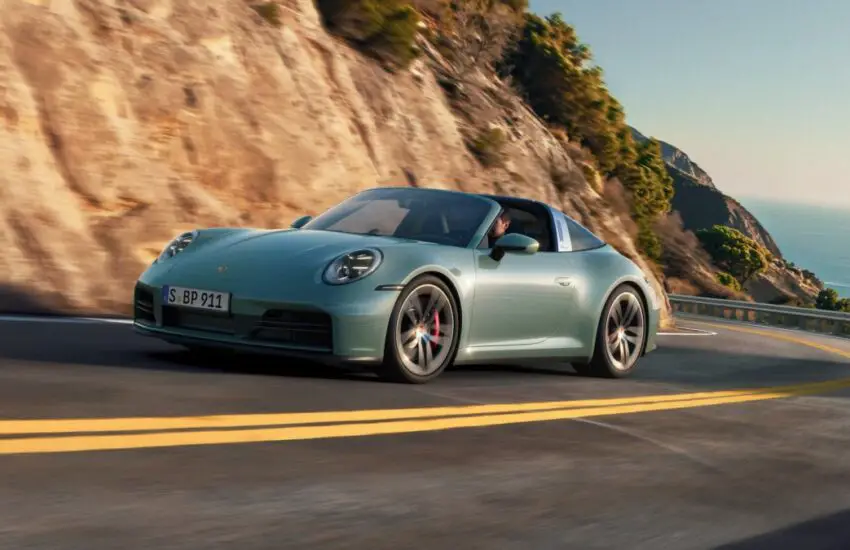
Beyond Gimmicks: Porsche’s Audio Innovation
Modern vehicles increasingly feature superfluous technologies that add little to the driving experience. From remote engine start functions to customizable cabin fragrance systems, many innovations feel disconnected from what drivers truly need. Porsche has challenged this trend with a groundbreaking patent filing for Tunnel Mode, an audio feature designed specifically to enhance one of driving’s most dramatic moments.
How Tunnel Mode Transforms Driving
Porsche’s Tunnel Mode represents a sophisticated approach to automotive audio engineering. When sensors detect the vehicle entering a tunnel, the system automatically adjusts the sound profile to create an immersive auditory experience. Rather than simply increasing volume, the technology optimizes frequency response and acoustic staging to complement the tunnel’s natural acoustics.
The Science Behind the Sound
The system utilizes pre-loaded mapping data combined with real-time GPS positioning to anticipate tunnel approaches. Advanced algorithms analyze the tunnel’s dimensions and composition to calculate optimal audio parameters. This enables the creation of a customized sound environment that enhances engine notes, exhaust tones, and even music playback to leverage the tunnel’s unique acoustic properties.
Elevating the Driving Experience
Unlike many automotive gadgets that prioritize novelty over substance, Tunnel Mode addresses a genuine aspect of driving pleasure. The technology transforms ordinary tunnel passages into memorable sensory events, creating what Porsche engineers describe as “acoustic theater.” This innovation demonstrates how thoughtful engineering can enhance driving enjoyment without compromising vehicle performance or driver focus.
Future of Automotive Audio
Porsche’s patent signals a shift toward context-aware vehicle systems that adapt to driving environments. As automotive technology evolves, features like Tunnel Mode represent a more meaningful direction for innovation – one that prioritizes emotional engagement over mere technical specifications. This approach could influence how other manufacturers develop driver-focused technologies in coming years.