
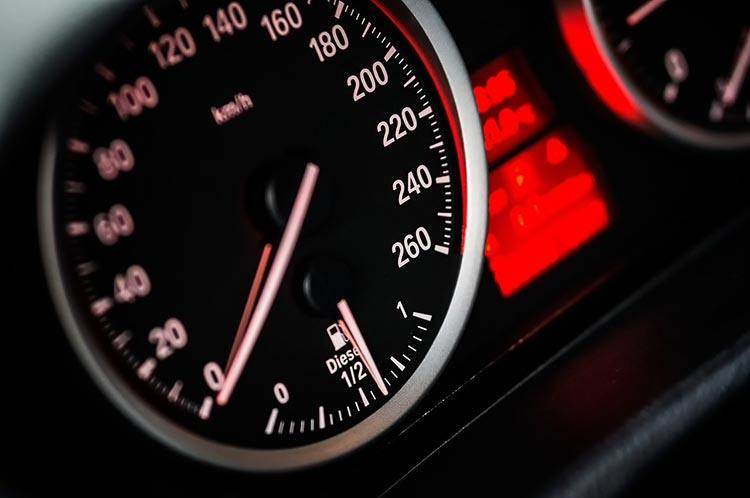
Have you experienced poor fuel consumption lately? What causes a car to burn a lot of fuel? Well, a sudden drop in your car’s fuel efficiency can be attributed to a number of factors.
Several reasons, including poor driving habits, lead to this specific problem. What’s alarming is that leaving these issues as they are can lead to bigger problems and costly repairs.
There are dozens of problems that can lead to decreased fuel consumption, some of them are serious and others can be easily fixed. Here are some of the most common problems that can affect the fuel efficiency of most cars.
Top 9 Reasons for Poor Fuel Consumption: Get into the Details
When the fuel system is not working as expected, the efficiency level is likely to decrease. However, if the drop is sudden and severe, you need to find the reason and address it.
Fortunately, some problems are not serious and can be resolved by changing some of your driving habits. However, others may warrant a visit to a service workshop and some repairs.
Poor Driving Style
Whether you believe it or not, one of the causes of poor fuel consumption is reckless driving. Some of the things that affect it too much are

Aggressive Driving – Frequent and unnecessary engagement of the brake and accelerator pedals leads to excessive fuel loss. If you can’t compromise on the thrill of rapid acceleration and revving, be prepared to spend money on fuel.
Speeding – Fuel efficiency depends on driving the vehicle within a certain speed limit. Accelerating, especially pushing the speedometer over 120 km/h, will result in poor fuel consumption.
Too Much Idling – Some drivers leave the engine running while waiting somewhere. Well, it’s not good for your wallet, because a running engine means money (i.e., fuel) is flowing into the car’s system.
Tire Problems
Tire problems are another common cause of poor fuel consumption. Tire issues can lead to excessive fuel burning.
Misaligned, uneven, and under-inflated tires make the car harder to move. As a result, the engine has to work harder and consumes more fuel.
Regularly checking tire alignment and pressure will prevent this problem. However, be careful not to overinflate the car as it would make it unstable and difficult to control.
Low Oil Level
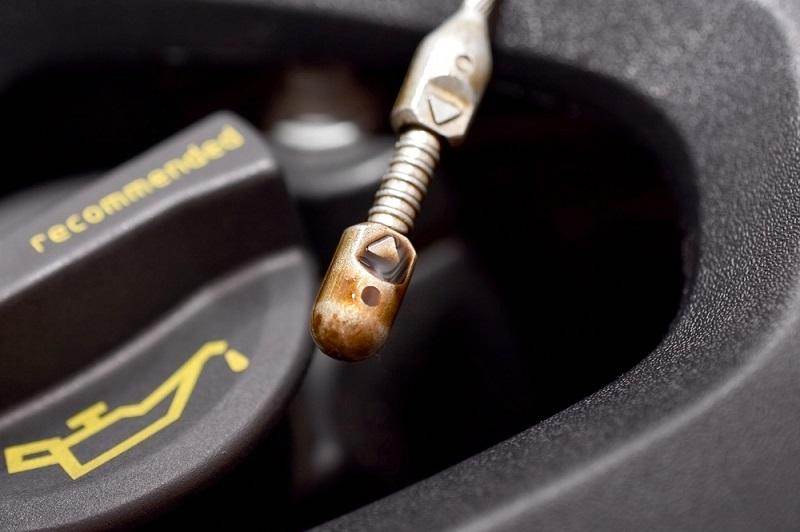
A low oil level might be the cause of what makes a car burn fuel quickly. Why? Adequate fuel ensures the required lubrication and reduces friction between the various components.
When there isn’t enough oil in the system, friction and heat increase and deteriorate engine parts. The engine has to work harder and consumes more fuel than necessary.
Consult the owner’s manual for the right time to change your car’s oil. It could be between 6,000 miles and 12,000 miles. It may be even more depending on the vehicle’s make and model.
Dirty Oxygen Sensor
Another reason for poor fuel consumption is a dirty oxygen sensor. It measures the level of exhaust gases exiting the combustion chamber.
The Electronic Control Unit (ECU) uses data from the sensor to determine how much fuel to send to the engine. A dirty sensor is prone to measurement error, leading to decreased mileage.
Fault in the Fuel Pump
It stands to reason to assume that fuel efficiency also depends on fuel delivery issues. The function of a fuel pump is to pump fuel from the gas tank to the fuel injectors.
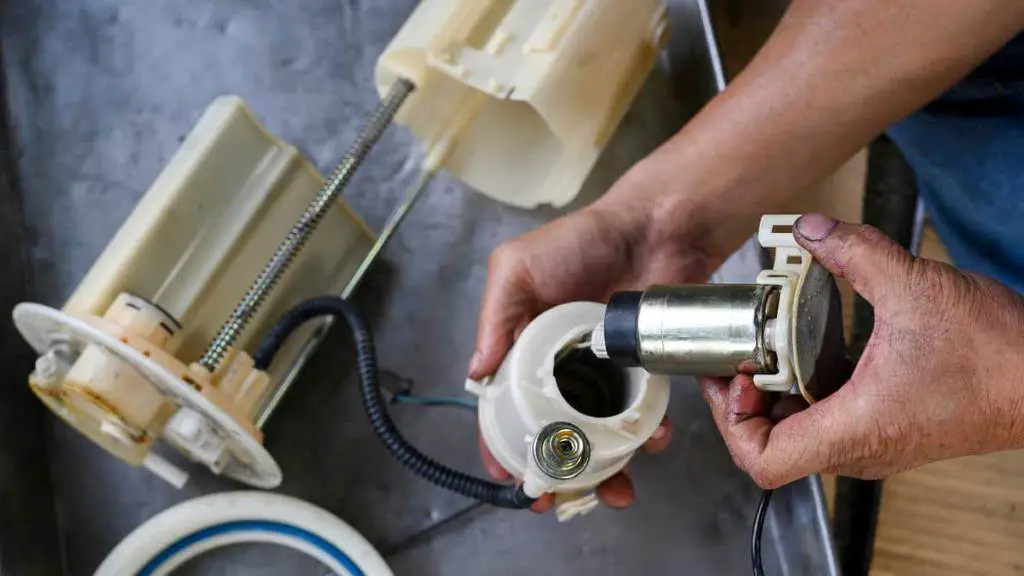
A damaged or dirty pump will not be able to supply an adequate amount of fuel to the engine, resulting in decreased fuel efficiency. Not replacing the pump will lead to engine idling issues, backfiring noises, and stalling.
Clogged Fuel Injectors and Air Filters
Clogged fuel injectors and air filters are one of the reasons for poor fuel consumption. The injectors’ role is to supply fuel to the engine.
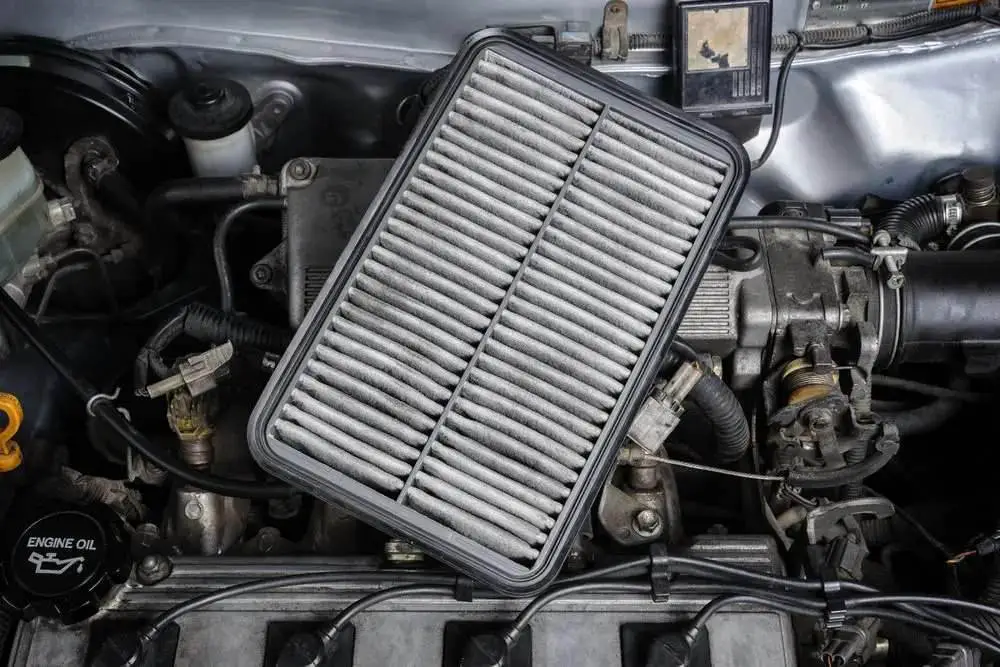
When they are dirty, the engine loses power and starts to stall from time to time, leading to consuming more fuel than necessary. Similarly, air filters contribute to combustion by letting an adequate amount of air into the engine.
A dirty air filter will hinder the combustion process and increase fuel burning. The solutions to these problems are to replace or clean these components.
Spark Plug Problems
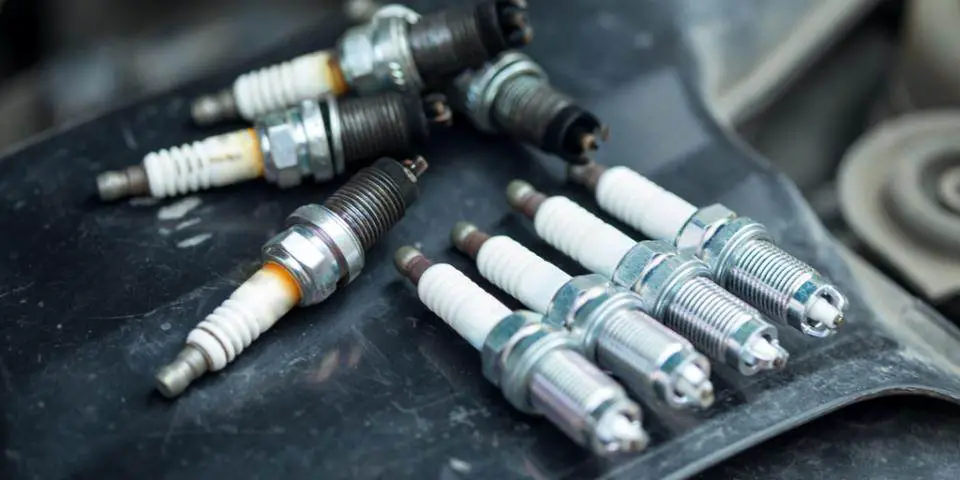
The function of spark plugs is to ignite the air/fuel mixture in the combustion chamber, which creates the ignition needed to start a vehicle.
Damaged or dirty spark plugs will cause engine misfires. The engine will display poor performance and there will be a significant drop in fuel consumption.
Faulty Mass Air Flow Sensor
It measures the amount of air supplied to the fuel injection system. The ECU collects this information and adjusts the correct amount of air to supply to the engine. A faulty sensor will result in decreased fuel consumption.
Stuck Caliper or Shoe
The disc brake caliper or drum brake shoe can get stuck for various reasons. In this case, the car will pull to one side while driving. Any braking issue not only decreases fuel efficiency but also makes driving extremely dangerous.
FAQ on Poor Fuel Consumption
- How often should I tune my car’s engine for better fuel efficiency?
It is generally recommended to tune and maintain your car’s engine every 30,000 to 50,000 miles or as specified in the manufacturer’s maintenance schedule.
- Can low tire pressure affect fuel consumption?
Yes, under-inflated tires can lead to increased rolling resistance, which negatively impacts fuel efficiency. Regularly check and maintain the correct tire pressure.
- Are there specific driving habits that can improve fuel consumption?
Adopting fuel-efficient driving habits, such as gentle acceleration, avoiding aggressive braking, and maintaining a steady speed, can help improve fuel consumption.
- How does excessive idling affect fuel consumption?
Excessive idling wastes fuel and reduces fuel consumption. Turn off your engine if you plan to stay parked for more than a minute or two.
- Can a clogged air filter lead to poor fuel consumption?
A dirty or clogged air filter can restrict airflow to the engine, thus affecting fuel efficiency. Replace the air filter regularly as recommended.
- Does using the air conditioning impact fuel consumption?
Using the air conditioning puts an extra load on the engine, which can decrease fuel efficiency. Use the air conditioning sparingly, especially at high speeds.
- How important is regular maintenance for improving fuel consumption?
Regular maintenance, such as oil changes, spark plug replacements, and filter checks, plays a crucial role in maintaining optimal fuel efficiency.
- Can poor fuel quality affect fuel consumption?
Poor quality fuel containing impurities or a lower octane rating can negatively affect fuel efficiency and engine performance.
- Is driving at higher speeds less fuel-efficient?
Yes, driving at higher speeds increases air resistance and fuel consumption, leading to a loss in fuel consumption. Driving at moderate speeds is more fuel-efficient.
- What impact can a faulty oxygen sensor have on fuel consumption?
A faulty oxygen sensor can disrupt the air-fuel mixture, leading to decreased fuel efficiency. Have it checked and replaced if necessary.
- Are there benefits to using fuel additives for better fuel consumption?
Some fuel additives claim to improve fuel efficiency, but their effectiveness can vary. It’s best to choose reputable products and follow the manufacturer’s guidelines.
Watch the video below to see why your car has poor fuel consumption and how to fix it:
Final Words
I hope the information above can help you answer the questions: “Why is my car burning fuel so fast?” or “Why does my car suddenly have poor fuel consumption?“
If you have any questions regarding poor fuel consumption, feel free to leave them in our comments section, and we will discuss them in more detail.