
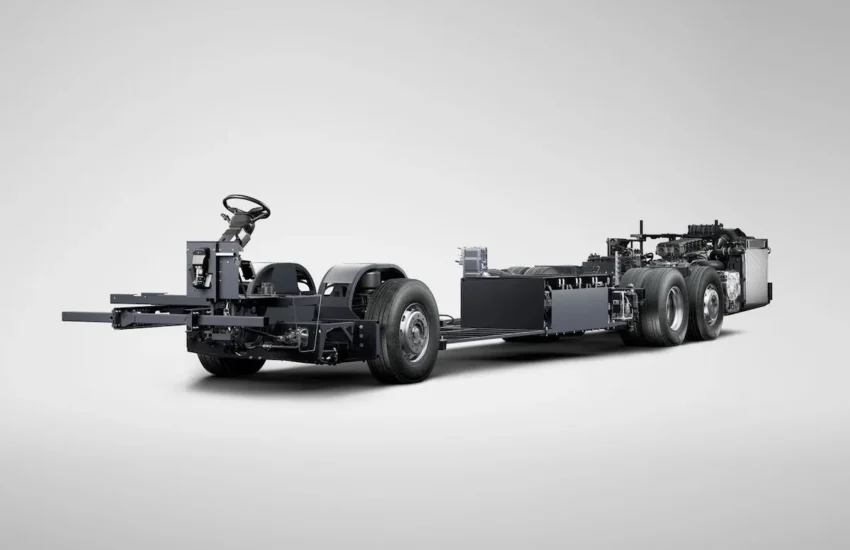
Scania introduces a plug-in hybrid engine for buses, an innovation that is shaking up the public transport sector. Until now, we were mainly used to seeing either electric, CNG (natural gas), or conventional combustion engine buses. Models operating with plug-in hybrid (PHEV) technology thus represent a new path that the Swedish manufacturer is exploring to decarbonize urban and suburban transport.
A hybrid technology adapted for buses
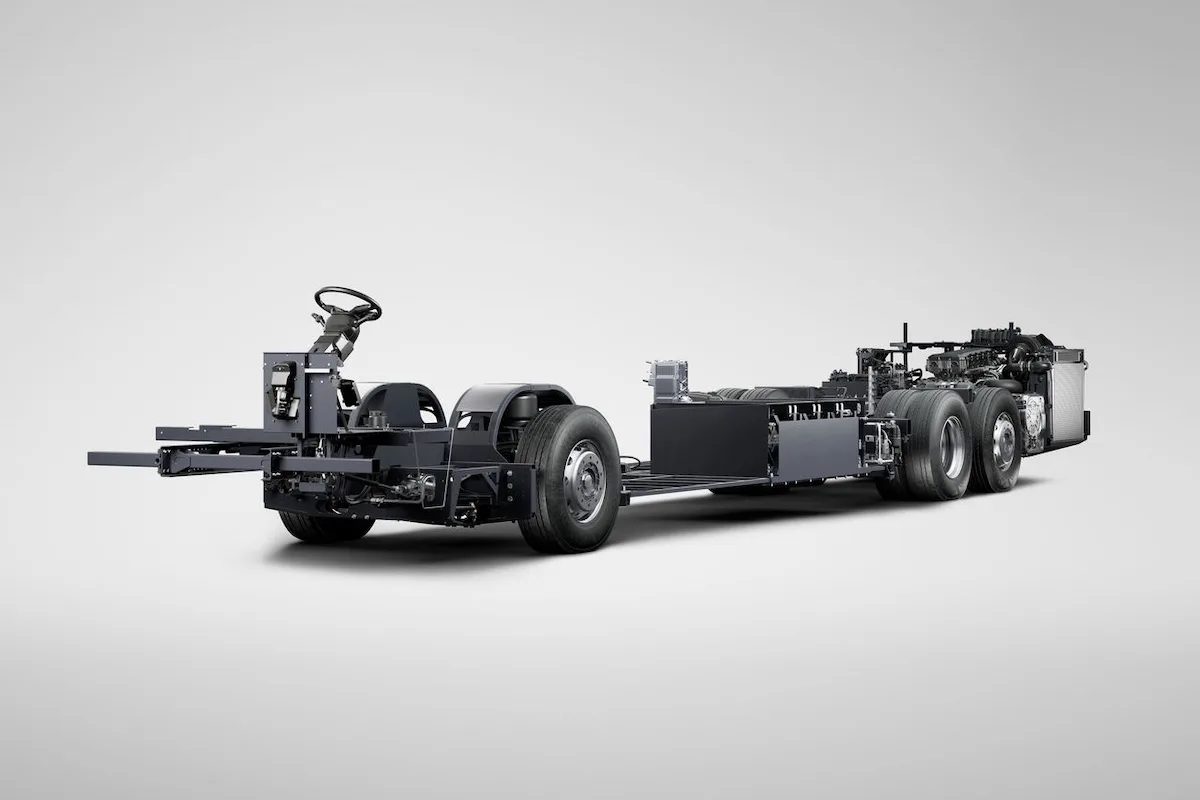
Scania is betting on an intelligent combination of a combustion engine and electric propulsion. The goal is clear: significantly reduce fuel consumption and CO2 emissions, while offering extended range compared to a 100% electric bus. This plug-in hybrid solution allows the bus to operate in all-electric mode for short distances, ideally in city centers, and then switch to the combustion engine for longer journeys, thereby limiting range anxiety.
The advantages of the Scania plug-in hybrid bus
The main strength of this technology lies in its flexibility. Fleet operators are not constrained by the still sometimes limited charging infrastructure. The Scania plug-in hybrid bus can recharge at dedicated stations, but it can also rely on its combustion engine if needed. This versatility is a strong argument for cities in energy transition.
Emission reduction and savings
In electric mode, the bus emits no fine particles or nitrogen oxides locally, thus helping to improve air quality in urban areas. Economically, the reduction in diesel fuel consumption allows transport operators to achieve substantial long-term savings, despite a likely higher initial investment.
A good or bad idea for the future?
The question is worth asking. Some experts see plug-in hybrids as a necessary step towards full electrification, a pragmatic transitional solution. Others see it as unnecessary technical complexity, arguing for a direct shift to battery-electric or hydrogen. The debate is open, but Scania is providing a concrete answer that could well appeal to many communities.