
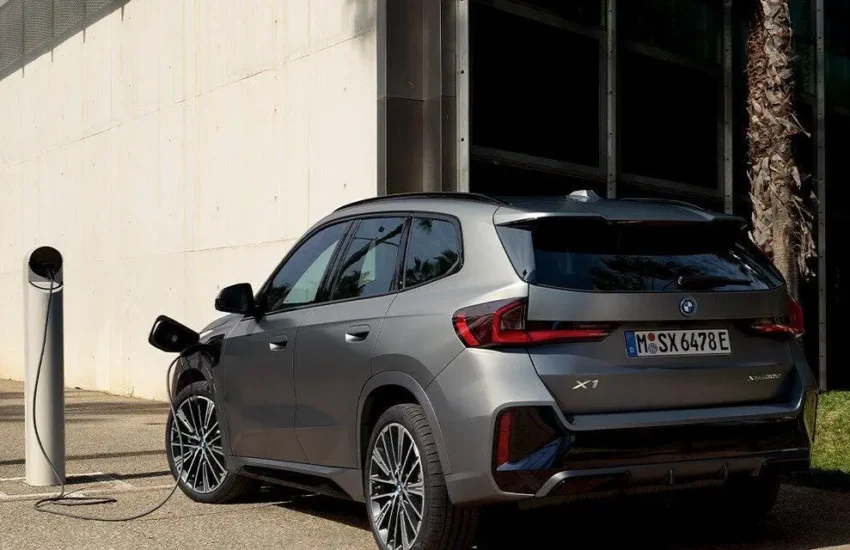
Very bad news for plug-in hybrid vehicles has just been announced. Europe is indeed preparing to revise the official calculation of their polluting emissions. While the WLTP certification cycle has so far been very favorable to them, the method will be adjusted to reflect more realistic usage, which will mechanically lead to an increase in their CO2 emission values.

Why the emission calculation for plug-in hybrids is changing
The current WLTP (Worldwide Harmonised Light Vehicles Test Procedure) protocol assumes that drivers charge their plug-in hybrid vehicle (PHEV) very frequently and optimally. However, many studies and field feedback show that the reality is quite different. Many users primarily drive in combustion mode without regularly charging the battery.
The consequences for manufacturers and buyers
This revision of the calculation, being much more realistic, will significantly increase the average level of CO2 emissions attributed to each plug-in hybrid model. For manufacturers, this represents a major challenge to meet strict European standards and avoid heavy fines. For buyers, this could call into question the tax benefits these vehicles enjoy in many countries, often based on their displayed low emissions.
Towards the end of the golden age of PHEVs?
This decision from Brussels marks a turning point and could signal the end of the golden age for plug-in hybrids. These vehicles, often presented as an ideal transition, are seeing their environmental credibility questioned. This regulatory evolution will very likely push the automotive industry to accelerate the shift towards 100% battery electric vehicles even further.