
The Persistent Additional Cost of Electric Cars
Fleet managers are facing an unexpected financial challenge with the electrification of their vehicle fleets. While electric vehicles promise long-term savings, certain expense categories reveal significant additional costs that question the immediate profitability of this transition.
The Higher Cost Item of Tires for Electric Fleets
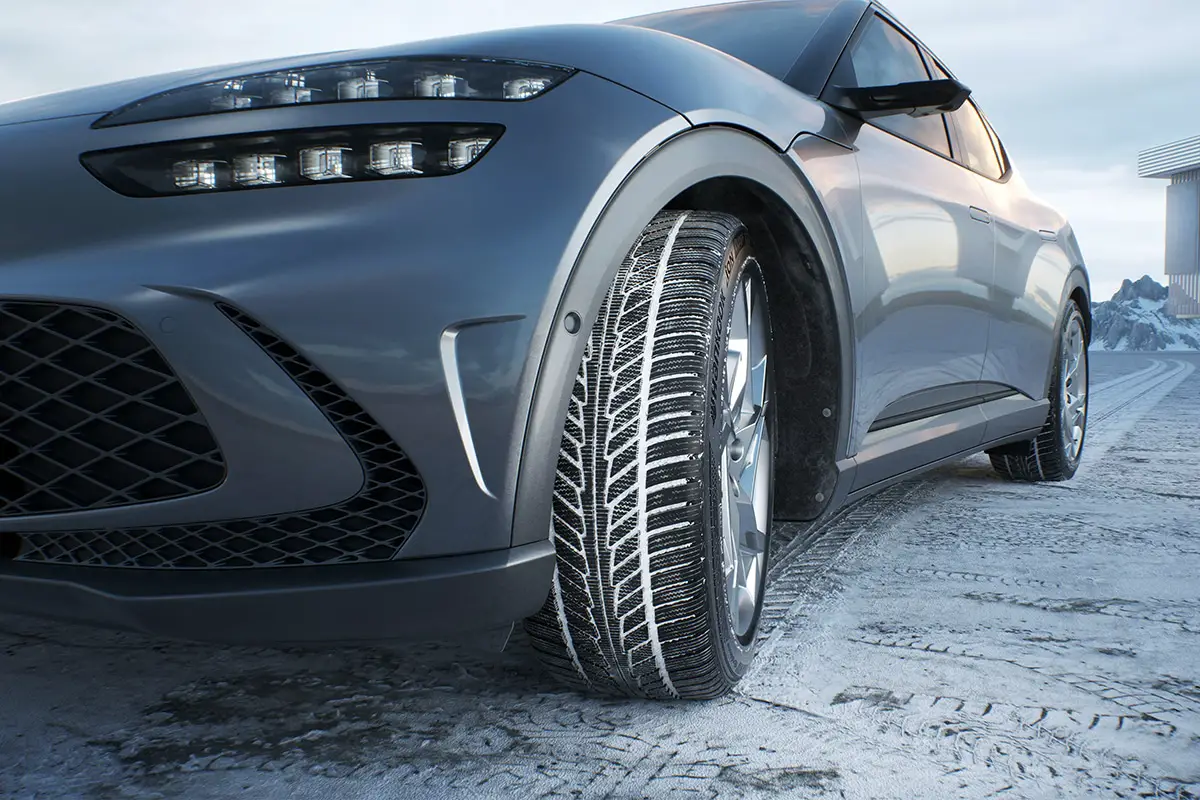
One of the most surprising elements in the maintenance budget of electric vehicles concerns tires. Several studies show that tires on electric cars wear out up to 30% faster than those on equivalent internal combustion vehicles. This accelerated wear is explained by several technical factors specific to electric vehicles.
The Technical Causes of This Accelerated Wear
The additional weight of lithium-ion batteries represents the first factor of premature wear. An electric car typically weighs between 200 and 500 kg more than a comparable internal combustion model. This additional mass exerts constant pressure on the tires, accelerating their degradation.
The instant torque characteristic of electric motors constitutes the second determining factor. The power available immediately during acceleration generates maximum grip that wears out the tire rubber more quickly. Fleet managers particularly observe this wear on vehicles used in urban environments with frequent stops and starts.
The Impact on Fleet Management
For companies managing dozens or hundreds of vehicles, this additional tire cost becomes significant. The maintenance budget must be recalculated to include more frequent replacements, which directly affects the total cost of ownership. Some managers report replacement cycles reduced to 15,000-20,000 km compared to 30,000-40,000 km for similar internal combustion vehicles.
Necessary Solutions and Adaptations
Faced with this observation, fleet managers are developing several strategies. The first involves opting for tires specifically designed for electric vehicles, offering better wear resistance despite a higher purchase price. The second approach aims to optimize driving styles through adapted training for drivers.
Tire pressure is also subject to enhanced monitoring. Maintaining optimal pressure helps reduce wear while preserving vehicle range. Some companies invest in automatic tire pressure monitoring systems to ensure permanent tracking.
Market Evolution Perspectives
Tire manufacturers have identified this new market and are actively developing ranges dedicated to electric vehicles. These new products incorporate reinforced rubber compounds and structures capable of withstanding the specific constraints of electric mobility. In the medium term, this specialization should help reduce the cost gap with conventional tires.
Conclusion
The persistent additional cost related to electric car tires legitimately raises questions for fleet managers. While this element does not call into question the energy transition of the vehicle fleet, it requires an adaptation of maintenance and management strategies. Taking these technical specificities into account helps optimize the total cost of ownership and ensure the profitability of investments in electric mobility.